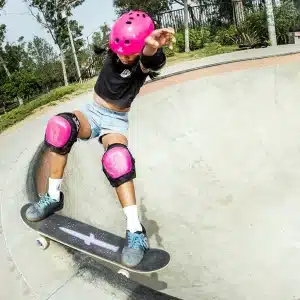
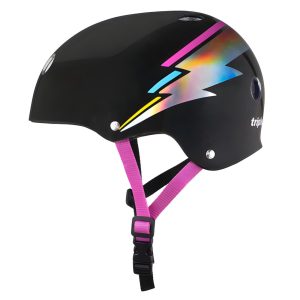
Youth Bike Helmets (5-8yrs)

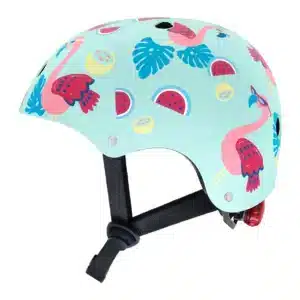
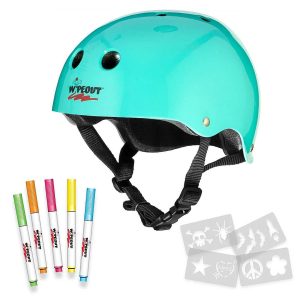
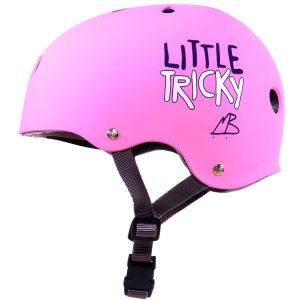
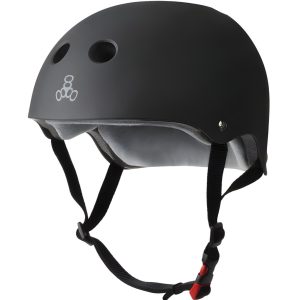
Every parent knows the standoff at the front door. Your kid is ready to ride. The Youth Bike helmet is right there. And somehow it turns into a negotiation. The helmets in this collection are picked to end that negotiation, certified to Australian standards, sized for real kids’ heads, and designed in styles children actually choose to put on.

Whether you need a youth dirt bike helmet for weekend track sessions, a youth mountain bike helmet for trail riding, or an everyday helmet for a 5-to-8-year-old just learning to ride, this collection covers it.

Australian-owned and operated · Secure checkout · Fast dispatch · Easy returns · 

Trusted and Loved by Hundreds of Happy Parents and Grandparents!

  • , ,

    Original price was: $79.00.Current price is: $69.00.
    More options
    This product has multiple variants. The options may be chosen on the product page
  • , , ,

    Original price was: $79.00.Current price is: $69.00.
    More options
    This product has multiple variants. The options may be chosen on the product page
  • , ,

    Original price was: $109.00.Current price is: $99.00.
    More options
    This product has multiple variants. The options may be chosen on the product page
  • , ,

    Price range: $109.00 through $119.00
    More options
    This product has multiple variants. The options may be chosen on the product page
  • , ,

    Original price was: $129.00.Current price is: $119.00.
    More options
    This product has multiple variants. The options may be chosen on the product page

Showing all 5 resultsSorted by latest

How to Choose the Right Youth bike Helmet: Age, Fit, and Riding Style

The single biggest mistake parents make is buying by age instead of head circumference. Head sizes vary enormously between children of the same age, a 6-year-old and an 8-year-old can have identical measurements, or be several centimetres apart. Always measure first.

How to measure your child’s head at home:

  • Use a soft tape measure (or a piece of string measured against a ruler)
  • Wrap it around the widest part of the head — roughly 2.5 cm above the eyebrows, level with the ears
  • Record the circumference in centimetres
  • Match to the size chart below

The two-finger fit test: Once the helmet is on, slide two fingers between the front rim and your child’s eyebrows. One to two fingers’ width is correct. The helmet should sit level, not tilted back or forward. Chin straps should form a V just under each ear, with only one finger fitting between strap and chin.

Kids aged 5–8: what to prioritise

For younger riders, weight and fit simplicity matter most. A heavy helmet tips forward on a small head, restricts vision, and guarantees complaints. Look for helmets in the 50–54 cm range with a rear dial-fit system — these let you adjust as your child grows without buying a replacement every season. Opt for 10 or more vents; kids overheat quickly and a hot helmet gets taken off.

Youth dirt bike and youth moto helmets: a separate category

A standard youth bike helmet is not appropriate for motocross, mini moto, pitbike, or any motorised off-road riding. Youth dirt bike helmets and youth moto helmets are full-face, feature a solid chin bar, and are compatible with goggles. They are heavier by design and tested to a different impact standard (AS 1698 for motorcycle helmets).

If your child rides a motorised dirt bike or pitbike, they need a helmet specifically certified for that purpose. A push-bike helmet, regardless of brand or price. does not meet the protection standard for motorised riding.

For junior motocross and off-road motorised use, look for helmets that meet ECE 22.06 or AS 1698. These are not stocked in this collection. Our collection covers pedal-powered and non-motorised wheeled recreational riding only.

Australian helmet safety standards: what the certification label actually means

Wearing a helmet is not optional in Australia. Under Australian Road Rules (Rule 256), every cyclist, regardless of age, must wear an approved helmet, securely fitted and fastened, at all times while riding. This applies in every state and territory, on roads, bike paths, shared paths, footpaths, and car parks. Fines range from $116 in some states to over $400 in others.

The governing standard is the Consumer Goods (Bicycle Helmets) Safety Standard 2024, updated by the ACCC on 22 March 2024. Under this standard, a helmet must comply with one of six recognised international standards, the most common being:

  • AS/NZS 2063:2020 — Australian/New Zealand standard for bicycles and wheeled recreational devices
  • EN 1078:2012+A1:2012 — European standard for pedal cyclists
  • US CPSC 16 C.F.R. Part 1203 — US Consumer Product Safety Commission standard

Every helmet in this collection carries at least one of these certifications. Check the label inside the helmet, compliant helmets will display the relevant standard code. If there’s no label, don’t buy it.

What AS/NZS 2063:2020 tests for:

  • Impact energy absorption (EPS foam performance)
  • Retention system strength (chin strap and buckle)
  • Field of vision (minimum peripheral coverage)
  • Helmet coverage area (minimum area of the head protected)
  • Penetration resistance

Certification is the floor, not the ceiling. A helmet that barely passes still passes. Higher-quality helmets from established brands — Bell, Giro, Fox, Nutcase, Smith — typically exceed the minimums, particularly on retention system ergonomics and EPS liner density.

How long does a youth bike helmet last?

Replace your child’s helmet every five years, or immediately after any significant impact — even if there is no visible damage.

The EPS (expanded polystyrene) foam liner is a single-use impact material. It compresses permanently on impact and does not recover. A helmet that has taken a hard fall may appear intact but offer substantially reduced protection. Victoria’s Department of Transport recommends replacement every five years due to gradual foam degradation from UV exposure, sweat, and general use.

Visual inspection checklist — replace if you find:

  • Any crack in the outer shell, however small
  • Dents or deformations in the EPS foam liner
  • A retention system (dial or strap) that no longer adjusts securely
  • Any helmet over five years old, regardless of condition
  • Any helmet involved in a crash with impact, regardless of appearance

If you are unsure whether a helmet needs replacing, the answer is always to replace it. The cost of a new helmet is low. The cost of relying on a compromised one is not.

For more on helmet safety for children and young riders, the Better Health Channel (Victoria’s government health resource) provides evidence-based guidance on fitting, wearing, and caring for children’s bicycle helmets.

Youth Helmet Fit, Care, and Storage: Making Protection Last

A certified helmet that is stored badly or fitted incorrectly provides less real-world protection than its test results suggest. These are the practical steps that matter.

Fitting checklist:

  1. Place the helmet level on the head — front rim two fingers above the eyebrows
  2. Adjust the rear dial so the helmet is snug but not painful
  3. Fasten the chin strap — straps should form a Y shape just below each ear
  4. Check: one finger fits between chin and strap; the helmet does not rock when you push it
  5. Ask your child to shake their head — the helmet should not shift

Storage and care:

  • Store helmets away from direct sunlight — UV degrades EPS foam over time
  • Do not store in car boots; prolonged heat exposure weakens foam structure
  • Clean with mild soap and warm water only — solvents and alcohol damage the shell and foam
  • Never paint or apply stickers over ventilation channels
  • Check the dial-fit mechanism and chin buckle every few months for wear

Pair your new helmet with the right bike accessories, gloves, knee pads, and lights round out a complete safety setup for young riders. For delivery timeframes and our free shipping threshold, see our shipping and delivery policy.

Frequently Asked Questions

Skip the age guess, measure instead. Wrap a soft tape measure around your child's head, about 2.5 cm above the eyebrows. That number in centimetres is the only size that matters. Most kids aged 5–8 measure 50–54 cm; ages 8–12 usually land at 52–56 cm. Two kids the same age can easily be two sizes apart, so always measure first, then match to the chart.

Yes, everywhere, every time. Australian Road Rules (Rule 256) require all cyclists, any age, any surface, to wear an approved helmet, fastened securely. That covers roads, shared paths, footpaths, bike tracks, and car parks in every state and territory. There are narrow exemptions for medical conditions and certain religious headwear, but for most kids it is simply the law. Fines vary by state and can exceed $400.

They solve completely different problems. A youth dirt bike helmet, sometimes called a youth moto helmet, is full-face, has a solid chin bar, fits goggles, and is certified to motorcycle standards (AS 1698 or ECE 22.06). A standard youth bike helmet is open-face, lighter, heavily vented, and certified to the bicycle standard (AS/NZS 2063:2020). One is built for motorised off-road impacts; the other is not. They are not interchangeable, ever.

Yes. The Consumer Goods (Bicycle Helmets) Safety Standard 2024, updated by the ACCC on 22 March 2024. is Australia's mandatory requirement. Every helmet must comply with one of six recognised standards; the most common is AS/NZS 2063:2020. Look for the certification label inside the helmet before you buy. Every helmet in this collection is fully compliant. Details are on the ACCC Product Safety website.

For trail riding and bike parks, yes. MIPS is a thin slip-plane layer inside the helmet. During an angled impact — the most common type in mountain biking, it allows the outer shell to rotate slightly, reducing rotational force on the brain. A 2022 study in Scientific Reports found MIPS helmets produced measurably lower peak rotational acceleration than standard helmets in oblique testing. It is not a legal requirement. For casual riding on flat ground, a well-fitted standard helmet is fine. For anything involving jumps, roots, or drops, MIPS is worth it.

Why Choose Our Quality Products For Your Child?

Long Lasting – Safety Certified – Perfect Fit – Fun for All Levels – Trusted by Parents

Why Choose Our Quality Products For Your Child?

Frequently Asked Questions of Balance Bikes

What age is appropriate for a balance bike?
The appropriate age for a balance bike is typically between 2 to 8 years old, as children in this age range are usually developing the motor skills needed to ride a balance bike effectively.

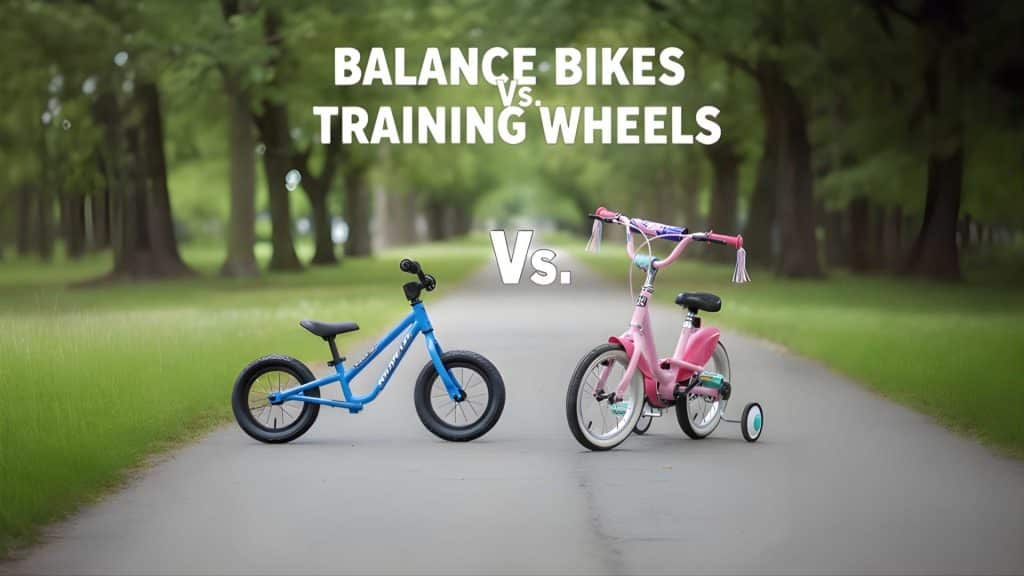
Yes, balance bikes are generally considered more effective than training wheels in teaching children how to balance on a bike, making the transition to a pedal bike smoother and quicker.

Most children can learn to ride a balance bike within a few days to a few weeks, depending on their individual abilities and confidence level.
The benefits of balance bikes include improving children’s balance, coordination, and motor skills, as well as fostering a sense of independence and confidence in their riding abilities.
To transition from a balance bike to a pedal bike, encourage your child to practice coasting and balancing without their feet touching the ground, which simulates the feeling of riding a pedal bike.
Yes, balance bikes are safe for toddlers when used under proper supervision and in a suitable environment that is free of potential hazards.
Look for features like adjustable seat and handlebar height, lightweight frame for easy maneuverability, air filled tyres, and a hand brakes for added safety when choosing a balance bike.

While balance bikes are typically designed for outdoor use, they can be used indoors on flat, smooth surfaces with caution to ensure the child’s safety and the protection of indoor surfaces.

To teach a child to use a balance bike, start by demonstrating how to sit and walk with the bike, encouraging them to push off with their feet and gradually progress to coasting and balancing while steering.
The weight limit for balance bikes varies by model, but most can generally support up to around 30kgs to 50kgs, so be sure to check the manufacturer’s specifications for the specific weight limit of the balance bike you choose.

How to Choose the Right Youth bike Helmet: Age, Fit, and Riding Style

The single biggest mistake parents make is buying by age instead of head circumference. Head sizes vary enormously between children of the same age, a 6-year-old and an 8-year-old can have identical measurements, or be several centimetres apart. Always measure first.How to measure your child’s head at home:
  • Use a soft tape measure (or a piece of string measured against a ruler)
  • Wrap it around the widest part of the head — roughly 2.5 cm above the eyebrows, level with the ears
  • Record the circumference in centimetres
  • Match to the size chart below
The two-finger fit test: Once the helmet is on, slide two fingers between the front rim and your child’s eyebrows. One to two fingers’ width is correct. The helmet should sit level, not tilted back or forward. Chin straps should form a V just under each ear, with only one finger fitting between strap and chin.

Kids aged 5–8: what to prioritise

For younger riders, weight and fit simplicity matter most. A heavy helmet tips forward on a small head, restricts vision, and guarantees complaints. Look for helmets in the 50–54 cm range with a rear dial-fit system — these let you adjust as your child grows without buying a replacement every season. Opt for 10 or more vents; kids overheat quickly and a hot helmet gets taken off.

Youth dirt bike and youth moto helmets: a separate category

A standard youth bike helmet is not appropriate for motocross, mini moto, pitbike, or any motorised off-road riding. Youth dirt bike helmets and youth moto helmets are full-face, feature a solid chin bar, and are compatible with goggles. They are heavier by design and tested to a different impact standard (AS 1698 for motorcycle helmets).If your child rides a motorised dirt bike or pitbike, they need a helmet specifically certified for that purpose. A push-bike helmet, regardless of brand or price. does not meet the protection standard for motorised riding.For junior motocross and off-road motorised use, look for helmets that meet ECE 22.06 or AS 1698. These are not stocked in this collection. Our collection covers pedal-powered and non-motorised wheeled recreational riding only.

Australian helmet safety standards: what the certification label actually means

Wearing a helmet is not optional in Australia. Under Australian Road Rules (Rule 256), every cyclist, regardless of age, must wear an approved helmet, securely fitted and fastened, at all times while riding. This applies in every state and territory, on roads, bike paths, shared paths, footpaths, and car parks. Fines range from $116 in some states to over $400 in others.The governing standard is the Consumer Goods (Bicycle Helmets) Safety Standard 2024, updated by the ACCC on 22 March 2024. Under this standard, a helmet must comply with one of six recognised international standards, the most common being:
  • AS/NZS 2063:2020 — Australian/New Zealand standard for bicycles and wheeled recreational devices
  • EN 1078:2012+A1:2012 — European standard for pedal cyclists
  • US CPSC 16 C.F.R. Part 1203 — US Consumer Product Safety Commission standard
Every helmet in this collection carries at least one of these certifications. Check the label inside the helmet, compliant helmets will display the relevant standard code. If there’s no label, don’t buy it.

What AS/NZS 2063:2020 tests for:

  • Impact energy absorption (EPS foam performance)
  • Retention system strength (chin strap and buckle)
  • Field of vision (minimum peripheral coverage)
  • Helmet coverage area (minimum area of the head protected)
  • Penetration resistance
Certification is the floor, not the ceiling. A helmet that barely passes still passes. Higher-quality helmets from established brands — Bell, Giro, Fox, Nutcase, Smith — typically exceed the minimums, particularly on retention system ergonomics and EPS liner density.

How long does a youth bike helmet last?

Replace your child’s helmet every five years, or immediately after any significant impact — even if there is no visible damage.The EPS (expanded polystyrene) foam liner is a single-use impact material. It compresses permanently on impact and does not recover. A helmet that has taken a hard fall may appear intact but offer substantially reduced protection. Victoria’s Department of Transport recommends replacement every five years due to gradual foam degradation from UV exposure, sweat, and general use.Visual inspection checklist — replace if you find:
  • Any crack in the outer shell, however small
  • Dents or deformations in the EPS foam liner
  • A retention system (dial or strap) that no longer adjusts securely
  • Any helmet over five years old, regardless of condition
  • Any helmet involved in a crash with impact, regardless of appearance
If you are unsure whether a helmet needs replacing, the answer is always to replace it. The cost of a new helmet is low. The cost of relying on a compromised one is not.For more on helmet safety for children and young riders, the Better Health Channel (Victoria’s government health resource) provides evidence-based guidance on fitting, wearing, and caring for children’s bicycle helmets.

Youth Helmet Fit, Care, and Storage: Making Protection Last

A certified helmet that is stored badly or fitted incorrectly provides less real-world protection than its test results suggest. These are the practical steps that matter.Fitting checklist:
  1. Place the helmet level on the head — front rim two fingers above the eyebrows
  2. Adjust the rear dial so the helmet is snug but not painful
  3. Fasten the chin strap — straps should form a Y shape just below each ear
  4. Check: one finger fits between chin and strap; the helmet does not rock when you push it
  5. Ask your child to shake their head — the helmet should not shift
Storage and care:
  • Store helmets away from direct sunlight — UV degrades EPS foam over time
  • Do not store in car boots; prolonged heat exposure weakens foam structure
  • Clean with mild soap and warm water only — solvents and alcohol damage the shell and foam
  • Never paint or apply stickers over ventilation channels
  • Check the dial-fit mechanism and chin buckle every few months for wear
Pair your new helmet with the right bike accessories, gloves, knee pads, and lights round out a complete safety setup for young riders. For delivery timeframes and our free shipping threshold, see our shipping and delivery policy.
Read More >

Join the Kids Bikes Online Community to get $10 off orders over $99.00aud