![Best Kids Bikes in Australia [Top 12 List 2025]](https://kidsbikesonline.com.au/wp-content/uploads/2025/09/Best-Kids-Bikes-in-Australia-Top-12-List-2025-e1780399011614-1024x867.jpg)
Kids Protective Gear
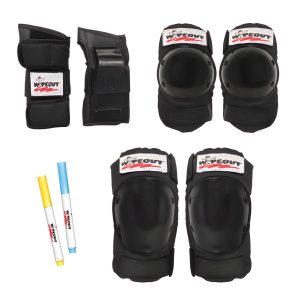
The right kids protective gear doesn’t slow your child down, it gives them the confidence to push harder and learn faster. This collection covers every ride, from backyard balance bike sessions to weekend BMX, trail riding, and first dirt bike adventures. Each piece is chosen for real protection, not just good looks.
Whether you’re gearing up a first-timer or a kid who won’t slow down, you’ll find; Helmets (AS/NZS 2063 certified), Knee and elbow pads, Wrist guards, Bike gloves
Australian-owned and operated · Secure checkout · Fast dispatch · Easy returns ·
Trusted and Loved by Hundreds of Happy Parents and Grandparents!
Kids Protective Gear, Bike Accessories
This product has multiple variants. The options may be chosen on the product page$49.00Original price was: $49.00.$45.00Current price is: $45.00.
Showing the single result
What to look for in kids protective gear
Most parents buy kids protective gear after a fall, not before. Getting the right gear before the scrapes happen is what keeps the scrapes minor.
Helmets — start here
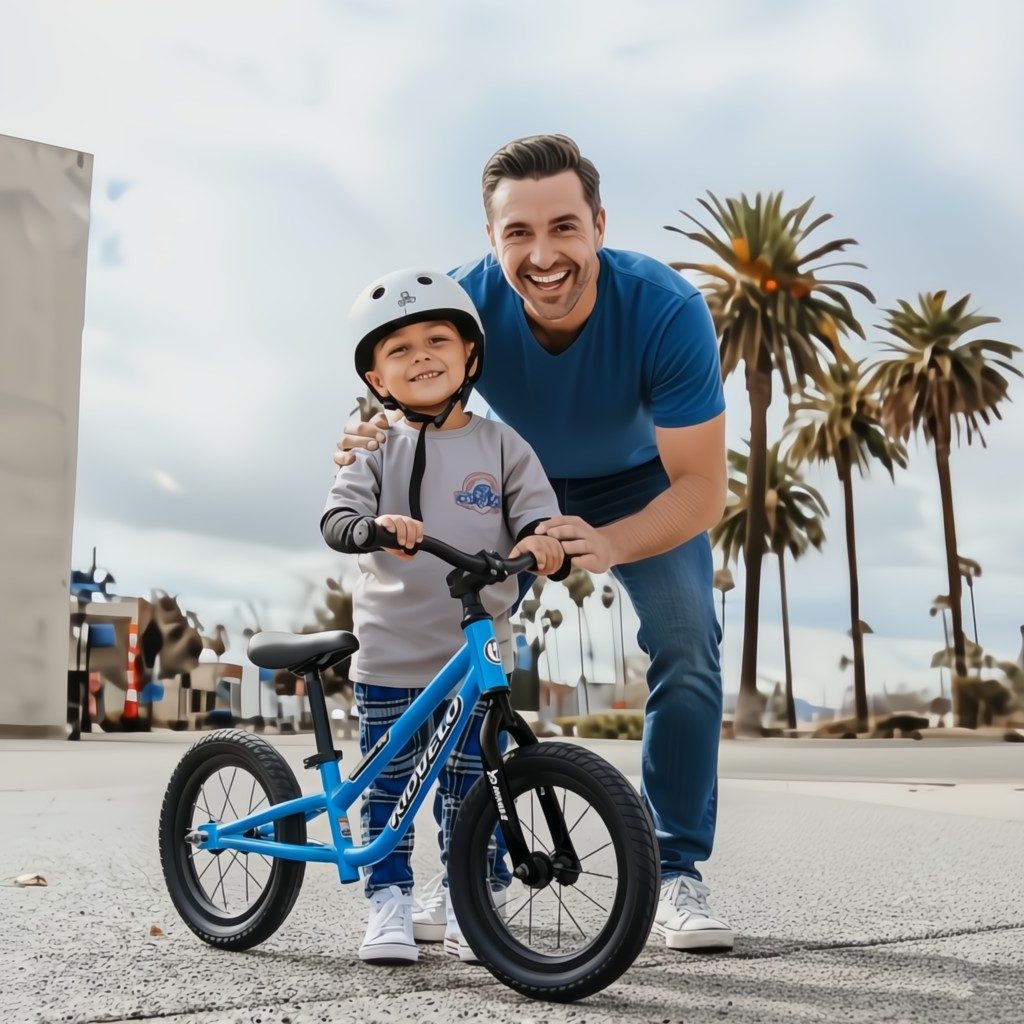
Every helmet in this collection meets AS/NZS 2063 — Australia’s mandatory bicycle helmet standard. Compliance is the floor. Fit is what determines whether it actually works.
How to check helmet fit:
- Sits flat — two finger-widths above the eyebrow
- Doesn’t rock forward, backward, or side to side
- Y-junction of the strap sits just below the ear
- Chinstrap allows one finger of space when buckled
- Can’t be pushed off without unbuckling it
Wrist guards
The most overlooked piece of children’s protective gear. Palm-down falls are the most common bike injury for learner riders. A fitted wrist guard absorbs that impact before it reaches the joint.
- Recommended for any child under eight still developing balance
- Pair with knee and elbow pads for full learner coverage
Gloves
- Protect palms during catch-yourself falls
- Improve grip in wet conditions
- Fingerless styles suit most Aussie seasons without overheating
Gear by riding style: BMX, mountain bike, dirt bike & everyday
Riding style changes what protection your child actually needs. Here’s how to match gear to the ride.
BMX and skate parks
Kids BMX protective gear is the most heavy-duty category, falls at the park happen fast, on concrete.
What to look for:
- Full hard-shell knee and elbow pads
- Shin coverage optional but worth it for park regulars
- Helmet rated for multiple impacts or BMX/skate-certified
- Dense foam lining behind a tough outer shell
Mountain bike trails
Kids mountain bike protective gear needs to stay put over longer, rougher rides.
What to look for:
- Knee pads with a secure wrap system — no sliding mid-ride
- Ventilation built into the pad for longer trail sessions
- Helmet and pads remain the priority for casual trail riders
- Chest and neck protection for more technical terrain
Dirt bike riding
Kids’ dirt bike protective gear follows the same hard-shell principle as BMX.
What to look for:
- Full hard-shell knee and elbow pads (many BMX pads in this range double as dirt bike protection)
- Snug helmet fit is non-negotiable on uneven ground
- Gloves for grip and hand protection
Everyday and balance bike riding
Kids bike protective gear for daily use prioritises comfort over maximum protection, because comfortable gear gets worn.
What to look for:
- Lightweight knee and elbow pads
- Wrist guards for learners still developing balance
- Well-fitted helmet
- Keep it simple, over-gearing a daily rider creates resistance
Explore our full range of bike accessories to round out your child’s setup.
Kids Protective Gear Sizing: How to Fit and When to Replace
Gear that doesn’t fit doesn’t protect. Growth is the enemy of gear effectiveness, check fit at the start of every riding season.
Quick sizing reference
| Age | Helmet size (head circumference) | Pad size |
| 2–4 years | 48–52 cm | XS |
| 4–6 years | 50–54 cm | XS–S |
| 6–9 years | 52–56 cm | S–M |
| 9–12 years | 54–58 cm | M |
| 12+ years | 56–60 cm | M–L |
Always measure your child and check the brand’s size chart before purchasing. Sizes vary between manufacturers.
Protective Gear Seasonal fit check run this every riding season
- Helmet — still two finger-widths above the brow? No rocking? Strap snug?
- Knee pads — centred on the kneecap? Not sliding after five minutes of movement?
- Elbow pads — covering the elbow point without restricting full arm bend?
- Wrist guards — snug over the wrist bone without restricting finger movement?
- Gloves — snug at the wrist without cutting circulation?
If gear has been outgrown, replace it promptly. Undersized pads shift off the joint during a fall. Undersized helmets absorb less impact. Neither is a risk worth carrying.
When to replace a helmet — non-negotiables
- Immediately after any significant impact — even with no visible damage. Internal foam compresses permanently and won’t absorb the next hit.
- Every 3–5 years — materials degrade regardless of use
- When your child outgrows the fit — a loose helmet is an unsafe helmet
Getting kids to actually wear their gear
- Let them choose the colour or brand — ownership drives compliance
- Make gearing up a consistent pre-ride routine, not a last-minute reminder
- Kids who gear up the same way every time stop questioning it by ride three
Buying tip: Spring school holidays and Christmas are peak gifting seasons for kids protective gear in Australia. Sizing up slightly at the end of summer means gear fits well into the following riding season.
Research from Raising Children Network confirms: consistently worn, well-fitted gear dramatically reduces injury severity. The goal isn’t to prevent every fall. The goal is to make those falls inconsequential.
For complete Australian safety guidance, Better Health Victoria’s bicycle safety resource covers helmet legislation, road rules, and age-appropriate riding advice.
The Products Safety Australia mandatory standard for bicycles sets the compliance baseline, every product in this collection meets Australian regulatory requirements.
Browse the full Kids Bikes Online store to match protective gear with the right bike for your child’s age and riding stage.
Looking For Adventure and Insider Tips?
Here you’ll find tons of ideas and inspiration to make bike riding or skating with your child, even more fun!
Frequently Asked Questions
At minimum, an AS/NZS 2063-compliant helmet is legally required in every state and territory. Knee pads and elbow pads are strongly recommended for beginners. Wrist guards are worth adding for children under eight who are still developing balance, palm-down falls are the most common injury at that age. Gloves round out the kit for grip and palm protection.
Start with a head circumference measurement for helmets, most kids aged four to six fall between 50–54 cm. For pads, match the size label to your child's age range and check that the pad centres on the joint without sliding. Always size to fit now, not to grow into, loose gear shifts off the joint during a fall and doesn't protect.
A correctly fitted helmet sits flat on the head, two finger-widths above the eyebrow. It should not rock forward, backward, or side to side. The Y-junction of the chin strap should sit just below each ear. The buckled strap should allow only one finger of space under the chin. If your child can push the helmet off without unbuckling it, it doesn't fit.
BMX protective gear is built for hard, fast impacts on concrete and ramps. It typically features harder outer shells and denser foam padding, sometimes including shin guards. Kids mountain bike protective gear prioritises coverage that stays in place over longer rides on varied terrain. It often includes more ventilation and a secure wrap system. Both are harder-duty than everyday riding gear, which prioritises comfort and wearability over maximum protection.
Why Choose Our Quality Products For Your Child?
Long Lasting – Safety Certified – Perfect Fit – Fun for All Levels – Trusted by Parents

Frequently Asked Questions of Balance Bikes
What age is appropriate for a balance bike?
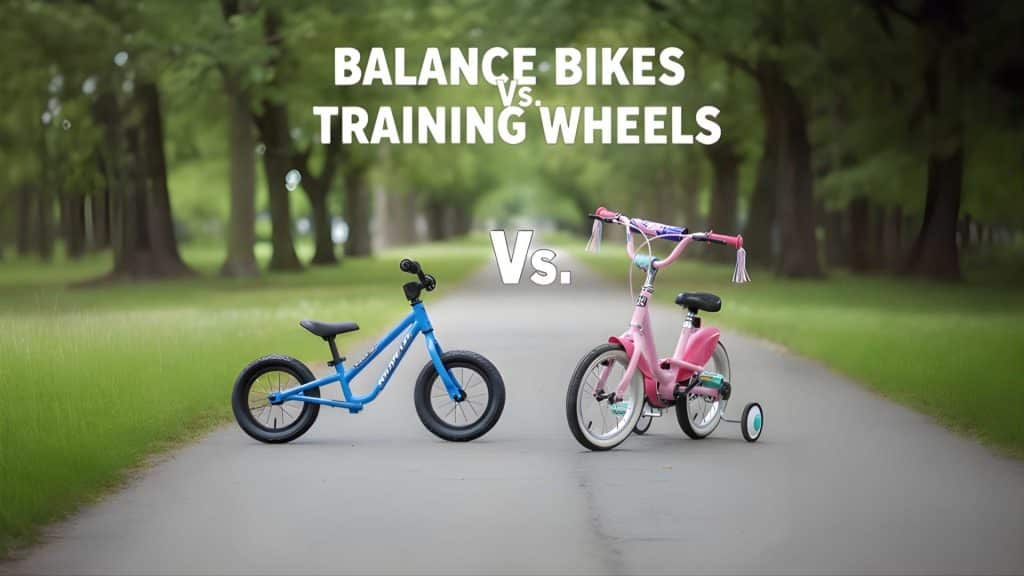
Are balance bikes better than training wheels?
Yes, balance bikes are generally considered more effective than training wheels in teaching children how to balance on a bike, making the transition to a pedal bike smoother and quicker.
How long does it take to learn to ride a balance bike?
What are the benefits of balance bikes?
How do you transition from a balance bike to a pedal bike?
Are balance bikes safe for toddlers?
What features should I look for in a balance bike?
Can balance bikes be used indoors?
While balance bikes are typically designed for outdoor use, they can be used indoors on flat, smooth surfaces with caution to ensure the child’s safety and the protection of indoor surfaces.
How do you teach a child to use a balance bike?
What's the weight limit for balance bikes?
What to look for in kids protective gear
Most parents buy kids protective gear after a fall, not before. Getting the right gear before the scrapes happen is what keeps the scrapes minor.Helmets — start here
Every helmet in this collection meets AS/NZS 2063 — Australia’s mandatory bicycle helmet standard. Compliance is the floor. Fit is what determines whether it actually works.How to check helmet fit:- Sits flat — two finger-widths above the eyebrow
- Doesn’t rock forward, backward, or side to side
- Y-junction of the strap sits just below the ear
- Chinstrap allows one finger of space when buckled
- Can’t be pushed off without unbuckling it
Wrist guards
The most overlooked piece of children’s protective gear. Palm-down falls are the most common bike injury for learner riders. A fitted wrist guard absorbs that impact before it reaches the joint.- Recommended for any child under eight still developing balance
- Pair with knee and elbow pads for full learner coverage
Gloves
- Protect palms during catch-yourself falls
- Improve grip in wet conditions
- Fingerless styles suit most Aussie seasons without overheating
Gear by riding style: BMX, mountain bike, dirt bike & everyday
Riding style changes what protection your child actually needs. Here’s how to match gear to the ride.BMX and skate parks
Kids BMX protective gear is the most heavy-duty category, falls at the park happen fast, on concrete.What to look for:- Full hard-shell knee and elbow pads
- Shin coverage optional but worth it for park regulars
- Helmet rated for multiple impacts or BMX/skate-certified
- Dense foam lining behind a tough outer shell
Mountain bike trails
Kids mountain bike protective gear needs to stay put over longer, rougher rides.What to look for:- Knee pads with a secure wrap system — no sliding mid-ride
- Ventilation built into the pad for longer trail sessions
- Helmet and pads remain the priority for casual trail riders
- Chest and neck protection for more technical terrain
Dirt bike riding
Kids’ dirt bike protective gear follows the same hard-shell principle as BMX.What to look for:- Full hard-shell knee and elbow pads (many BMX pads in this range double as dirt bike protection)
- Snug helmet fit is non-negotiable on uneven ground
- Gloves for grip and hand protection
Everyday and balance bike riding
Kids bike protective gear for daily use prioritises comfort over maximum protection, because comfortable gear gets worn.What to look for:- Lightweight knee and elbow pads
- Wrist guards for learners still developing balance
- Well-fitted helmet
- Keep it simple, over-gearing a daily rider creates resistance
Kids Protective Gear Sizing: How to Fit and When to Replace
Gear that doesn’t fit doesn’t protect. Growth is the enemy of gear effectiveness, check fit at the start of every riding season.Quick sizing reference
| Age | Helmet size (head circumference) | Pad size |
| 2–4 years | 48–52 cm | XS |
| 4–6 years | 50–54 cm | XS–S |
| 6–9 years | 52–56 cm | S–M |
| 9–12 years | 54–58 cm | M |
| 12+ years | 56–60 cm | M–L |
Protective Gear Seasonal fit check run this every riding season
- Helmet — still two finger-widths above the brow? No rocking? Strap snug?
- Knee pads — centred on the kneecap? Not sliding after five minutes of movement?
- Elbow pads — covering the elbow point without restricting full arm bend?
- Wrist guards — snug over the wrist bone without restricting finger movement?
- Gloves — snug at the wrist without cutting circulation?
When to replace a helmet — non-negotiables
- Immediately after any significant impact — even with no visible damage. Internal foam compresses permanently and won’t absorb the next hit.
- Every 3–5 years — materials degrade regardless of use
- When your child outgrows the fit — a loose helmet is an unsafe helmet
Getting kids to actually wear their gear
- Let them choose the colour or brand — ownership drives compliance
- Make gearing up a consistent pre-ride routine, not a last-minute reminder
- Kids who gear up the same way every time stop questioning it by ride three