![Best Kids Bikes in Australia [Top 12 List 2025]](https://kidsbikesonline.com.au/wp-content/uploads/2025/09/Best-Kids-Bikes-in-Australia-Top-12-List-2025-e1780399011614-1024x867.jpg)
Kids Road Bikes
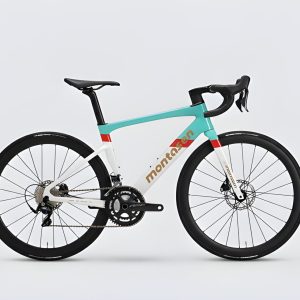
A kids road bike is for the child who wants to go fast, ride far, and feel the efficiency of a properly specced lightweight machine. These bikes are built for smooth roads, bike paths, and longer-distance riding not trails or mountain terrain.
Our kids road bike collection covers lightweight aluminium frames, drop or flat bars, narrow tyres, and gearing suited to growing riders. Children’s road bikes suit confident riders aged 7 and up who want performance beyond a recreational bike.
Australian-owned and operated · Secure checkout · Fast dispatch · Easy returns ·
Trusted and Loved by Hundreds of Happy Parents and Grandparents!
- $1,795.95 – $1,995.95Price range: $1,795.95 through $1,995.95Get notified This product has multiple variants. The options may be chosen on the product page
Showing the single result
What Defines a Proper Kids Road Bike?
A genuine kids road bike is defined by three things: low weight, narrow tyres, and efficient gearing. Every component is optimised for forward motion on sealed surfaces.
1 – Frame weight
Frame weight is the most significant factor. A children’s road bike should weigh under 9 kg for a 20 inch model and under 11 kg for a 24 inch model. This is what separates a genuine kids road bike from a heavy department store bike dressed with drop bars. Lightweight aluminium frames keep weight in the right range at every size.
2 – Tyre width
Road bikes use narrower, smoother tyres, typically 1.5 to 1.75 inches wide. These generate far less rolling resistance on tarmac than the wider knobbly tyres of a mountain bike. A child on a kids road bike covers significantly more ground per pedal stroke than on a comparable mountain bike tyre. They feel this difference within the first minute.
3 – Gearing
A kids road bike needs enough range to handle hills while maintaining a comfortable cadence on flat stretches. An 8 or 9-speed drivetrain with a compact chainring and a quality rear derailleur, such as Shimano Claris or equivalent, is the standard at this level. Drop handlebars give road riding posture. Many junior road bikes use flat bars instead, offering a more upright, accessible position while keeping road-specific geometry.
Children’s Road Bikes, Getting the Right Fit for Young Riders
Road bike fit is more critical than mountain bike fit. The riding position is lower and more forward. A frame that is too large causes shoulder strain and loss of control. A frame that is too small produces a cramped pedalling position that becomes uncomfortable within minutes.
1 – Wheel size reference guide
Use this table as your starting point. Always confirm fit in person where possible.
| Wheel size | Rider height | Approx. age | Notes |
| 20 inch | 115–135 cm | 7–10 years | Most common entry point for junior road |
| 24 inch | 130–150 cm | 10–13 years | Full gearing range, closer to adult geometry |
| 26 inch | 145–160 cm | 12–14 years | Bridges junior and adult sizing |
| 700c (adult) | 155 cm+ | 14+ years | Check reach carefully before buying up |
2 – Standover height
Standover clearance should be at least 2 cm in flat shoes. Less than this means the frame is too tall, the child cannot put a foot down safely at a stop.
3 – Reach
Reach is the distance from the saddle to the handlebar. A correct reach allows a comfortable arm extension without locking the elbows or rounding the shoulders. If the child is reaching forward and hunching, the frame is too large.
Kids road bikes for sale in Australia — what to know before you buy
Browse our full range of children’s road bikes for sale below. Before you choose, here is what separates a quality kids road bike from a bike that looks the part.
What to look for
- Aluminium frame from a recognisable brand with genuine road geometry, not a hybrid or recreational bike with drop bars bolted on
- Minimum 8-speed drivetrain with a quality rear derailleur (Shimano Claris or equivalent)
- Tyre clearance of at least 28 mm so the bike handles the minor surface variations found on typical Australian shared paths
- Brake levers sized for small hands, adult road levers require grip strength most children under 10 do not have
How much does a kids road bike cost in Australia?
Entry-level kids road bikes (genuine road geometry, 8-speed) start around $350–$500. Mid-range models ($500–$750) step up to better groupsets, lighter frames, and branded components like Shimano or Microshift. Enthusiast-level junior road bikes ($750+) offer sub-8 kg weights, full road-spec braking, and adult-equivalent build quality from brands like Woom, Cleary, Giant Junior, and Trek.
Avoid bikes under $300 marketed as road bikes, these almost always use heavy steel frames and friction-shift drivetrains that cannot be fitted properly.
A note on rider experience
Children’s road bikes are not entry-level bikes. If your child has not ridden confidently on a geared bike, start with a lighter recreational bike first. A kids road bike rewards riders who already have good technique and genuine enthusiasm for riding fast.
Suitability for Australian conditions
Kids road bikes handle smooth bike paths excellently. Popular routes — Sydney’s Centennial Park loop, Melbourne’s Capital City Trail, Brisbane’s Riverwalk — are well suited to 28 mm tyre clearance. Look for tyre clearance of at least 28 mm to manage the minor surface joins and expansion gaps found on most Australian shared paths.
All bikes in our range meet AS/NZS ISO 8098 — Australia’s mandatory children’s bicycle safety standard. View the standard at Standards Australia
See our full range at Kids Bikes Online. Browse our bike accessories range for road cycling helmets, gloves, and water bottles.
Looking For Adventure and Insider Tips?
Here you’ll find tons of ideas and inspiration to make bike riding or skating with your child, even more fun!
Frequently Asked Questions
A kids road bike is a lightweight, narrow-tyre bicycle designed for smooth roads and bike paths. It prioritises speed and efficiency over terrain versatility. A genuine kids road bike uses a lightweight aluminium frame, narrow tyres, and multi-speed gearing optimised for road riding, not a hybrid or mountain bike with cosmetic drop bars.
A 20 inch children's road bike suits riders aged 7 to 10. A 24 inch kids road bike suits riders aged 10 to 13. Always confirm standover clearance and reach before purchasing, road bike fit is more critical than any other kids bike category.
No. Kids road bikes suit confident, experienced riders who already handle a geared bike well. The forward geometry and lighter build requires good bike handling skills. A beginner is better served by a lightweight general-purpose kids bike first.
A kids road bike has narrow smooth tyres, a lightweight aluminium frame, and drop or flat handlebars for speed on tarmac. A kids mountain bike has wider knobbly tyres, suspension, and geometry for off-road terrain. They are built for completely different surfaces and riding styles.
Yes. A kids road bike handles smooth bike paths excellently. Choose a model with at least 28 mm tyre clearance to manage the minor surface variations found on most Australian shared paths.
Why Choose Our Quality Products For Your Child?
Long Lasting – Safety Certified – Perfect Fit – Fun for All Levels – Trusted by Parents

Frequently Asked Questions of Balance Bikes
What age is appropriate for a balance bike?
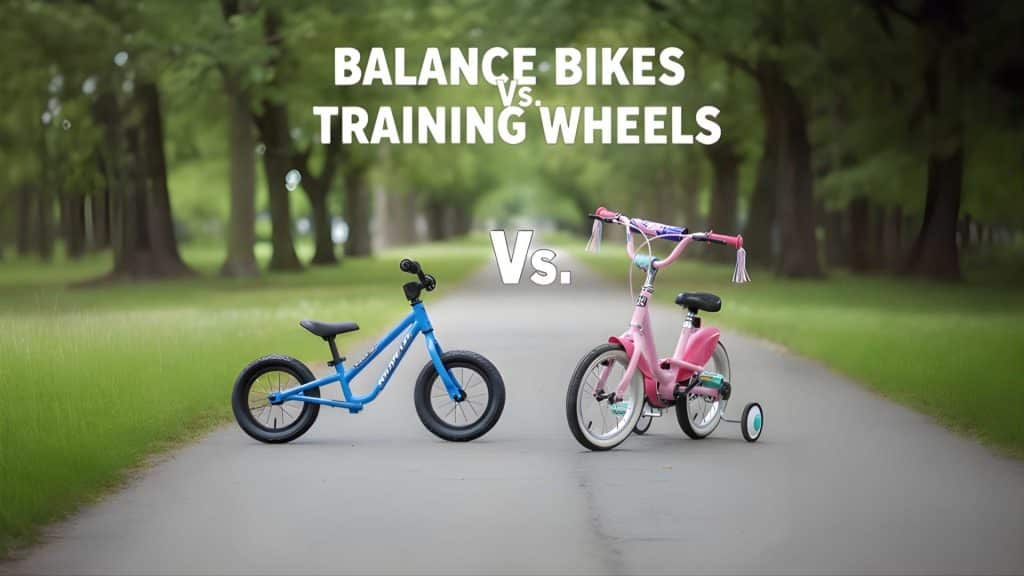
Are balance bikes better than training wheels?
Yes, balance bikes are generally considered more effective than training wheels in teaching children how to balance on a bike, making the transition to a pedal bike smoother and quicker.
How long does it take to learn to ride a balance bike?
What are the benefits of balance bikes?
How do you transition from a balance bike to a pedal bike?
Are balance bikes safe for toddlers?
What features should I look for in a balance bike?
Can balance bikes be used indoors?
While balance bikes are typically designed for outdoor use, they can be used indoors on flat, smooth surfaces with caution to ensure the child’s safety and the protection of indoor surfaces.
How do you teach a child to use a balance bike?
What's the weight limit for balance bikes?
What Defines a Proper Kids Road Bike?
A genuine kids road bike is defined by three things: low weight, narrow tyres, and efficient gearing. Every component is optimised for forward motion on sealed surfaces.1 – Frame weight
Frame weight is the most significant factor. A children’s road bike should weigh under 9 kg for a 20 inch model and under 11 kg for a 24 inch model. This is what separates a genuine kids road bike from a heavy department store bike dressed with drop bars. Lightweight aluminium frames keep weight in the right range at every size.2 – Tyre width
Road bikes use narrower, smoother tyres, typically 1.5 to 1.75 inches wide. These generate far less rolling resistance on tarmac than the wider knobbly tyres of a mountain bike. A child on a kids road bike covers significantly more ground per pedal stroke than on a comparable mountain bike tyre. They feel this difference within the first minute.3 – Gearing
A kids road bike needs enough range to handle hills while maintaining a comfortable cadence on flat stretches. An 8 or 9-speed drivetrain with a compact chainring and a quality rear derailleur, such as Shimano Claris or equivalent, is the standard at this level. Drop handlebars give road riding posture. Many junior road bikes use flat bars instead, offering a more upright, accessible position while keeping road-specific geometry.Children’s Road Bikes, Getting the Right Fit for Young Riders
Road bike fit is more critical than mountain bike fit. The riding position is lower and more forward. A frame that is too large causes shoulder strain and loss of control. A frame that is too small produces a cramped pedalling position that becomes uncomfortable within minutes.1 – Wheel size reference guide
Use this table as your starting point. Always confirm fit in person where possible.| Wheel size | Rider height | Approx. age | Notes |
| 20 inch | 115–135 cm | 7–10 years | Most common entry point for junior road |
| 24 inch | 130–150 cm | 10–13 years | Full gearing range, closer to adult geometry |
| 26 inch | 145–160 cm | 12–14 years | Bridges junior and adult sizing |
| 700c (adult) | 155 cm+ | 14+ years | Check reach carefully before buying up |
2 – Standover height
Standover clearance should be at least 2 cm in flat shoes. Less than this means the frame is too tall, the child cannot put a foot down safely at a stop.3 – Reach
Reach is the distance from the saddle to the handlebar. A correct reach allows a comfortable arm extension without locking the elbows or rounding the shoulders. If the child is reaching forward and hunching, the frame is too large.Kids road bikes for sale in Australia — what to know before you buy
Browse our full range of children’s road bikes for sale below. Before you choose, here is what separates a quality kids road bike from a bike that looks the part.What to look for
- Aluminium frame from a recognisable brand with genuine road geometry, not a hybrid or recreational bike with drop bars bolted on
- Minimum 8-speed drivetrain with a quality rear derailleur (Shimano Claris or equivalent)
- Tyre clearance of at least 28 mm so the bike handles the minor surface variations found on typical Australian shared paths
- Brake levers sized for small hands, adult road levers require grip strength most children under 10 do not have