![Best Kids Bikes in Australia [Top 12 List 2025]](https://kidsbikesonline.com.au/wp-content/uploads/2025/09/Best-Kids-Bikes-in-Australia-Top-12-List-2025-e1780399011614-1024x867.jpg)
Kids Bike Gloves, Bike Accessories
Original price was: $29.00.$25.00Current price is: $25.00.Get notified This product has multiple variants. The options may be chosen on the product page
Showing the single result
Why Kids Bike Gloves Belong in Every Ride Kit
Most parents sort the helmet first, that’s exactly right. But hands are the next thing that hits the ground. When a child loses balance, the instinct to put hands forward fires before conscious thought. Without gloves, that means gravel embedded in the palm and a kid who hesitates to get back on the bike.
Kids bike gloves close that gap directly. A padded palm absorbs handlebar impact and breaks a fall. A wrist closure keeps the glove locked on during the tumble, not after. Textured grip zones on the fingers maintain handlebar contact on wet roads and loose gravel, the two conditions where children most commonly lose control.
There is a confidence factor too. Kids who feel protected ride with more commitment. Better grip produces better bike control, cleaner turns, and fewer hesitations at speed. According to Raising Children Network, building confident, safe riding habits early is one of the most effective ways to reduce cycling injuries in school-age children. Gloves are a small part of that picture but a consistent one.
How to choose the right kids bike gloves for your child
1. Measure the hand first — then check the size chart
Sizing kids bike gloves by age alone leads to poor fit. Measure across the widest part of your child’s hand, flat across the knuckles, with a soft tape measure. Use centimetres. Compare against the brand’s size chart, not a generic age guide.
When between sizes, go one size up. A slightly larger glove is safer than one that bunches at the fingers or restricts wrist movement. A correctly fitted glove sits flat at the seams, closes at the wrist without strain, and allows full finger flex without the fingertips going empty.
Quick reference size guide for kids bike gloves:
| Age Range | Approx. Hand Circumference |
| 2–4 years | 13–15 cm |
| 4–6 years | 15–16 cm |
| 6–8 years | 16–17 cm |
| 8–10 years | 17–18 cm |
| 10–12 years | 18–19 cm |
| 12–14 years | 19–20 cm |
Note: gloves are sized by hand measurement, not by gender. This matters when buying as a gift.
- Match the glove type to the riding style
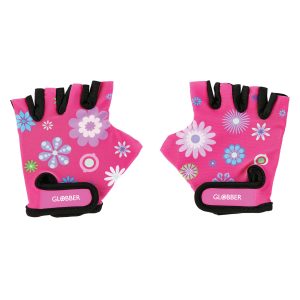
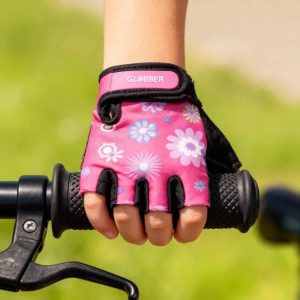
Fingerless kids bike riding gloves suit casual riding — paths, school runs, park laps. They offer palm protection and ventilation without bulk. Kids can feel the brake levers naturally and pull them off without help.
Full-finger kids mountain bike gloves are built for trail riding, BMX circuits, and pump tracks. Look for reinforced knuckle guards and dense palm padding — these are the features that matter on technical terrain. Kids dirt bike gloves go one step further with back-of-hand armour for riders tackling aggressive terrain.
If your child rides across multiple environments, one fingerless pair and one full-finger pair covers every situation.
3. Check the palm material and grip texture
Synthetic leather palms outlast thin polyester by a significant margin. In Australian summer humidity, standard fabric palms become slippery within minutes of riding. Look for silicon grip prints on the finger pads and palm — these maintain handlebar contact when hands sweat.
Breathable mesh panels on the back of the hand are worth prioritising in warmer climates. QLD, WA, and NT riders will feel this difference immediately. Velcro or pull-tab wrist closures are easier for kids to manage independently than lace systems.
4. Watch out for these quality red flags
Avoid gloves with no wrist closure — they pull off in a fall. Skip palm-only polyester construction with no leather or synthetic reinforcement. Thin padding (less than 3mm compressed) offers minimal impact protection. Check that finger seams are flat-stitched, not raised — raised seams cause pressure points on longer rides.
For an overview of mandatory safety standards for bikes and equipment sold in Australia, the Product Safety Australia mandatory standard for bicycles is the authoritative government reference.
Fingerless vs. Full-Finger vs. Dirt Bike Gloves, which type does your child need?
The right choice comes down to where and how hard your child rides.
Fingerless kids bike riding gloves are the everyday option. Light, packable, and quick to put on. They protect the palm and heel of the hand, the areas that take the most damage in a standard fall. These are the right pick for school commutes, weekend paths, and beginner riders building confidence.
Full-finger kids mountain bike gloves step up protection considerably. Reinforced knuckles, sealed finger coverage, and denser padding handle repeated impacts from roots, rocks, and trail edges. Any child riding trails, gravel tracks, or BMX should be in this category. Mountain bike gloves for kids are built to take the same terrain their owners enjoy — repeatedly.
Kids dirt bike gloves offer the highest coverage available. Structural back-of-hand protection and secure wrist closures are built for aggressive styles and repeated technical riding. These are not overkill for committed young riders, they’re appropriate kit.
Gloves work best as part of a complete riding setup. Pair bicycle gloves for kids with a properly fitted helmet and correctly sized bike. Explore our full bike accessories range to build a kit that covers every ride. The Better Health Channel’s bicycle safety guide for children is also a practical read for parents establishing safe riding habits from the start.
How to make kids bike gloves last
Wash gloves after every 3–4 rides. Grip degrades when palm surfaces are clogged with dried sweat and trail dirt. Most kids cycling gloves are machine-washable on a cold gentle cycle — check the label first. Lay flat to dry. Tumble drying accelerates padding breakdown.
Check the fit every 2–3 months. Children’s hands grow faster than most parents expect. A glove that is fitted in March may restrict circulation by July. Replace gloves when the palm padding compresses below 3mm or the wrist closure loses its hold both are direct signs the protection has degraded.
Looking for a gift? Kids biking gloves pair naturally with a new helmet, knee pads, or a first mountain bike. Check our shipping and delivery policy for delivery timeframes before ordering for a specific date.