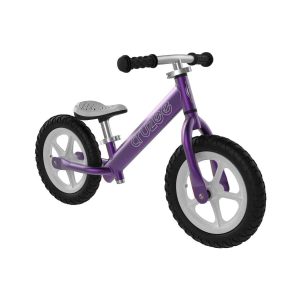
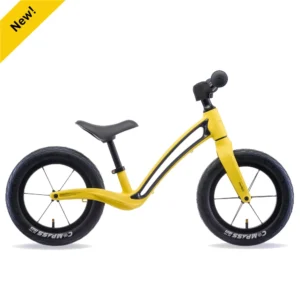
Balance Bikes

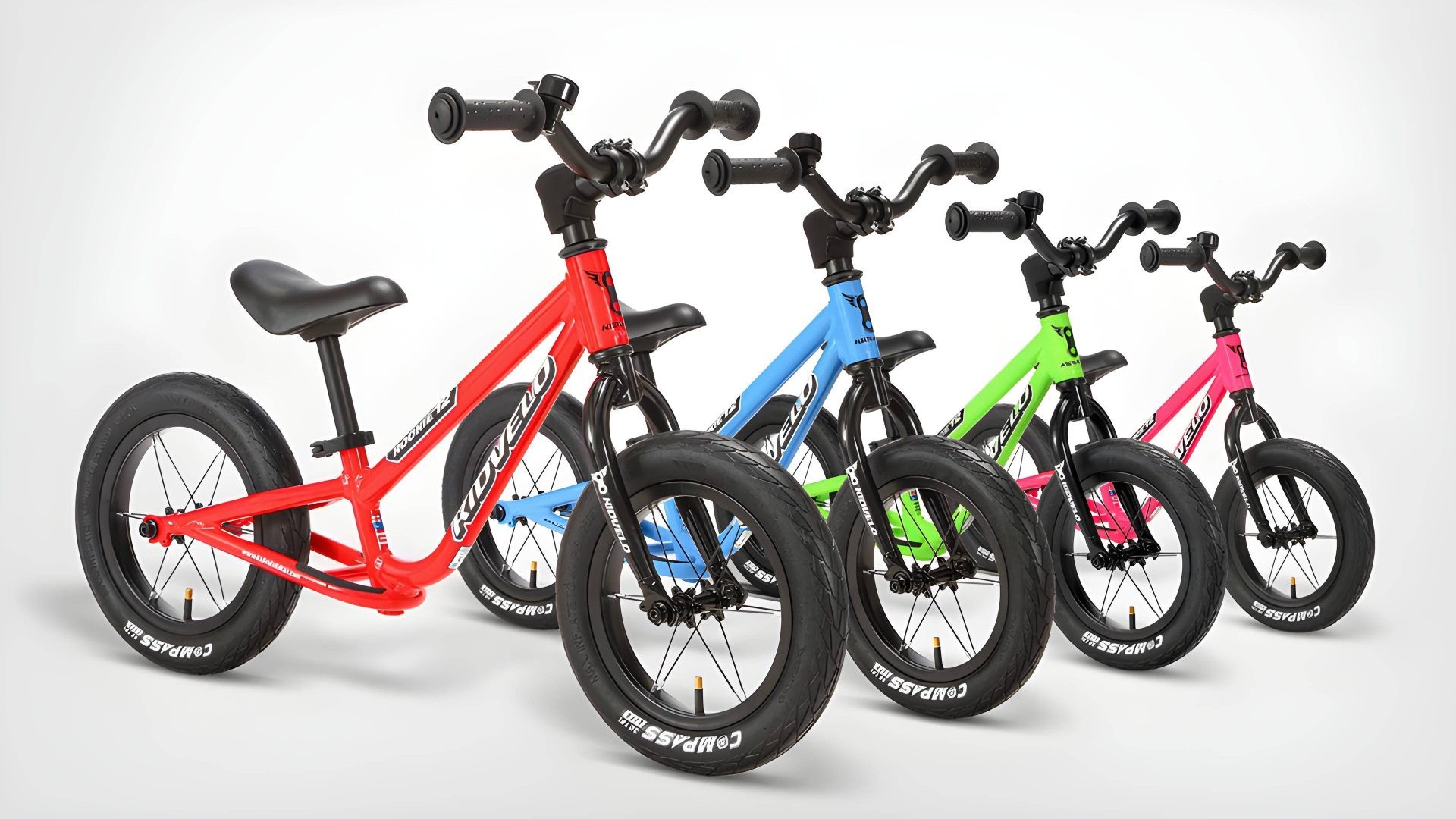
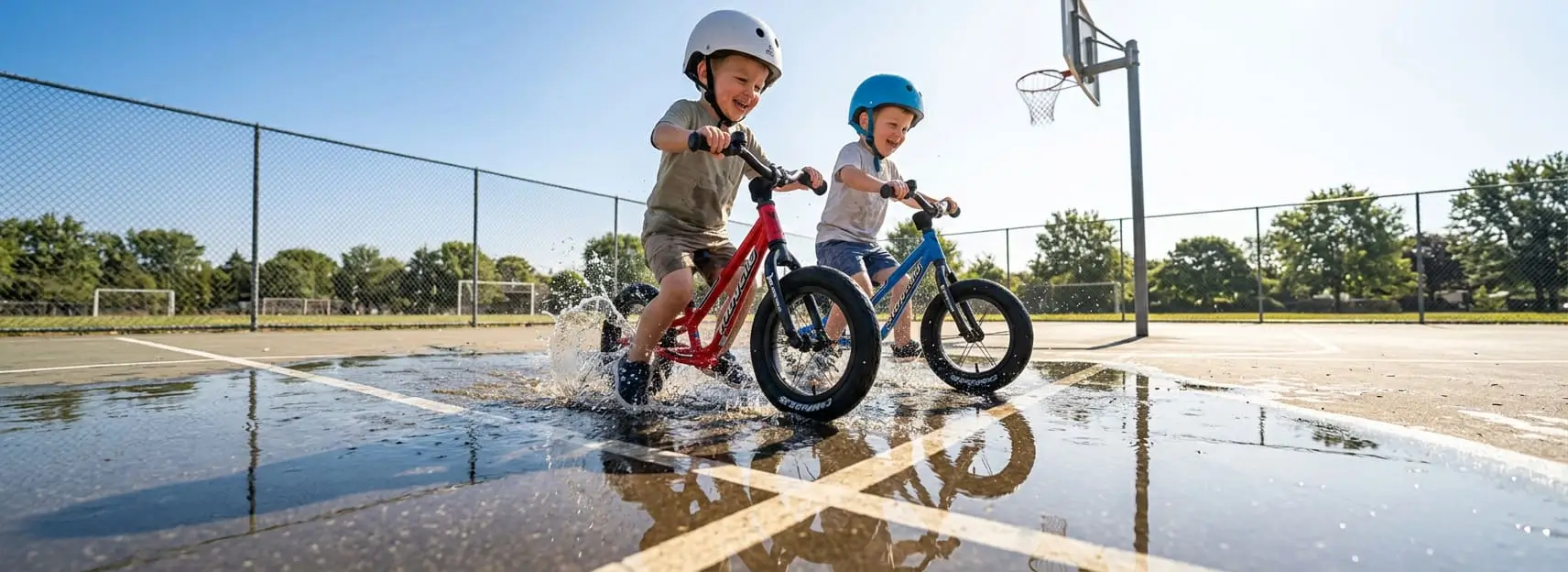
A balance bike is the single most effective tool for teaching toddlers to ride. No pedals, no training wheels, no frustration. Kids learn to balance, steer, and glide on their own terms and most skip training wheels entirely when they move to a pedal bike.

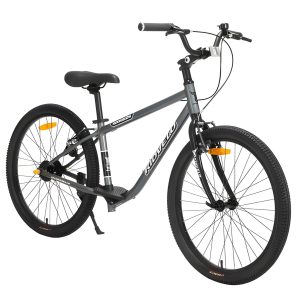
This collection includes the best balance bikes available in Australia. Choose from lightweight options for 18-month-olds right through to 24 inch balance bikes for children up to 13 years old.

Australian-owned and operated · Secure checkout · Fast dispatch  Easy returns 

Trusted and Loved by Hundreds of Happy Parents and Grandparents!

Showing all 6 resultsSorted by latest

Why balance bikes work for Toddlers? — the Science Behind the method

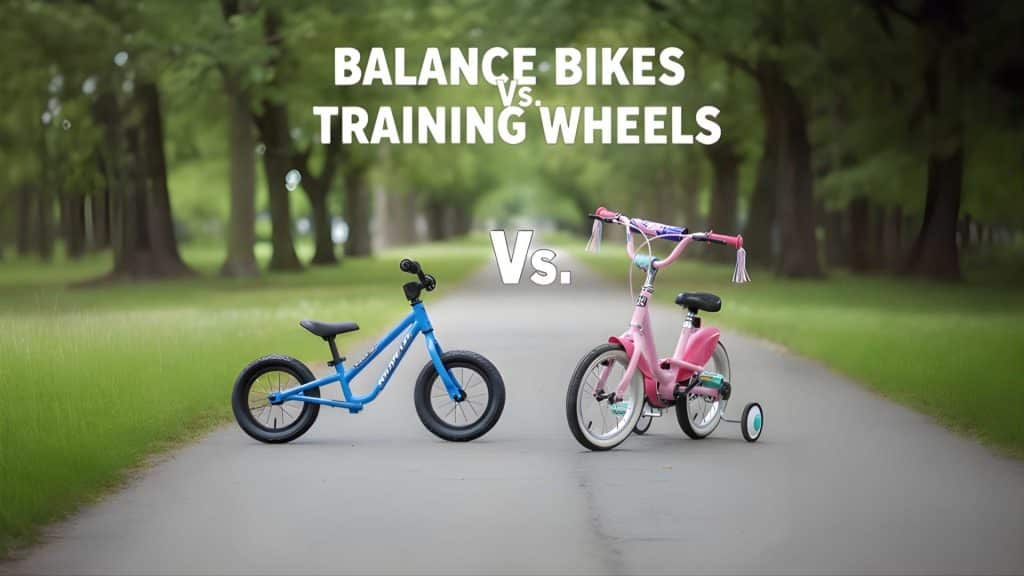
A traditional bike with training wheels teaches a child to pedal. It teaches nothing about balance. When the training wheels come off, the child still has to learn balance from scratch, often with fear and falls.

A balance bike flips this entirely. The child masters balance first. They learn to steer by leaning, to brake by skidding their feet, and to glide with both feet off the ground. When they eventually move to a pedal bike, they are already halfway there.

Research cited by Raising Children Network confirms that children who develop foundational balance and coordination skills early progress faster and more confidently to independent cycling. Balance bikes deliver exactly that foundation.

Most children transition from balance bike to pedal bike within 2–4 weeks, compared to months of wobbling with training wheels. The best balance bikes are lightweight, under 3.5 kg for a 12 inch model.

 Weight is everything at this age. A toddler who struggles to lift their own bike loses interest fast. Aluminium frames keep weights in the right range. Avoid heavy steel balance bikes regardless of price.

What age is a balance bike for, and which size?

  • 1- Balance bikes for 18 months to 2 year olds
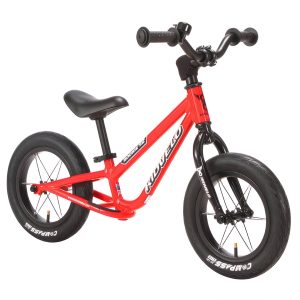
    The youngest riders start here. Look for a 10 or 12 inch balance bike with a minimum seat height under 30 cm.
    The child’s feet must sit flat on the ground with a slight knee bend, never on tiptoe. Frame weight matters most at this age. Stay under 3 kg.
  • 2- Balance bikes for 2 to 3 year olds — 12 inch wheels
    A 2 year old balance bike most commonly uses a 12 inch whee Balance Bike l. This is the most popular size in our range. Adjustable seat height is critical at this age, children grow fast and you want at least 12 months of usability from one setting.
    3 – Balance bikes for 3 to 5 year olds — 14 inch balance bikes
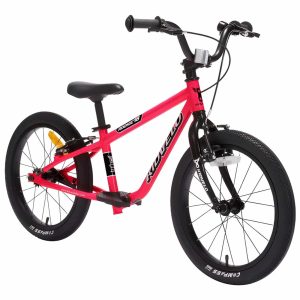
  • A 3 to 4 year old who missed the early window, or who is tall for their age, moves to a 14 inch balance bike.
    The larger frame offers more clearance for longer legs. By 4 to 5 years old, most children are ready to transition to a pedal bike.

The transition moment arrives when a child glides consistently with both feet raised for 3 or more seconds.

That is the signal. Fit them on a 14 or 16 inch pedal bike with the seat set low and they will typically pedal independently within a day.

Ready to make that move? See our full range of kids bikes.

Balance Bike Size Guide  Age, Inseam, and Wheel Size

Measure your child’s inseam (bare feet, standing). This is more accurate than age alone.

AgeInseamWheel sizeMin seat heightMax seat height
18 months – 2 yrs28–33 cm10″ or 12″Under 30 cm35 cm
2–3 yrs32–38 cm12″30 cm40 cm
3–4 yrs38–45 cm14″38 cm48 cm
4–5 yrs43–50 cm14″40 cm52 cm


Choosing the best balance bike in Australia — What Actually Matters?

1- Frame weight

Under 3.5 kg for a 12 inch model is non-negotiable. Aluminium frames hit this target. Steel frames rarely do. A light bike builds confidence. A heavy bike gets abandoned in the garage.

2- Tyre type — pneumatic vs foam vs solid rubber

This is the biggest performance difference between cheap and quality balance bikes. Here is how each type compares:


Tyre typeBest forPuncture riskVerdict
Pneumatic (air)All outdoor surfacesLow with slimeBest choice
EVA foamSmooth indoor pathsNoneAcceptable budget pick
Solid rubberSmooth paths onlyNoneAvoid, heavy and harsh


Pneumatic air tyres absorb vibration, roll better on grass and gravel, and feel more natural underfoot. They are the correct choice for outdoor use in Australia.

EVA foam tyres are an acceptable compromise for budget-conscious buyers on smooth paths. Solid rubber tyres are the worst option — heavy, harsh, and slow.

3- Seat adjustability

The seat must be lower enough for your child now, and raised high enough to last 18 months or more.

Check both the minimum and maximum seat heights against the size guide above before buying.

4 – Handlebar adjustability

Fixed handlebars at the wrong height create bad posture and poor control. Adjustable handlebars add 1–2 years of usability and are worth the small cost premium.

5 – Hand brake

Not essential for toddlers under 3. A useful addition for children aged 3 and up who are developing fine motor control. It also teaches correct braking techniques before they move to a pedal bike.

What to avoid when buying a balance bike

  •       Heavy steel frames: anything over 4 kg will frustrate a toddler.
  •       Foam or solid rubber tyres: poor on anything other than smooth concrete.
  •       Non-adjustable seats: your child will outgrow the bike in months.
  •       Fixed handlebars: wrong height creates bad riding posture.
  •       Brands without Australian stock or returns: slow shipping and difficult returns are not worth the saving.

Girls balance bikes and colour options

Our range includes balance bikes in colours popular with girls and boys alike. Many families choose balance bikes as birthday or Christmas gifts we stock options suited to all ages from 18 months. Filter by age and colour in the product grid above.

Helmets and safety for balance bike riders in Australia

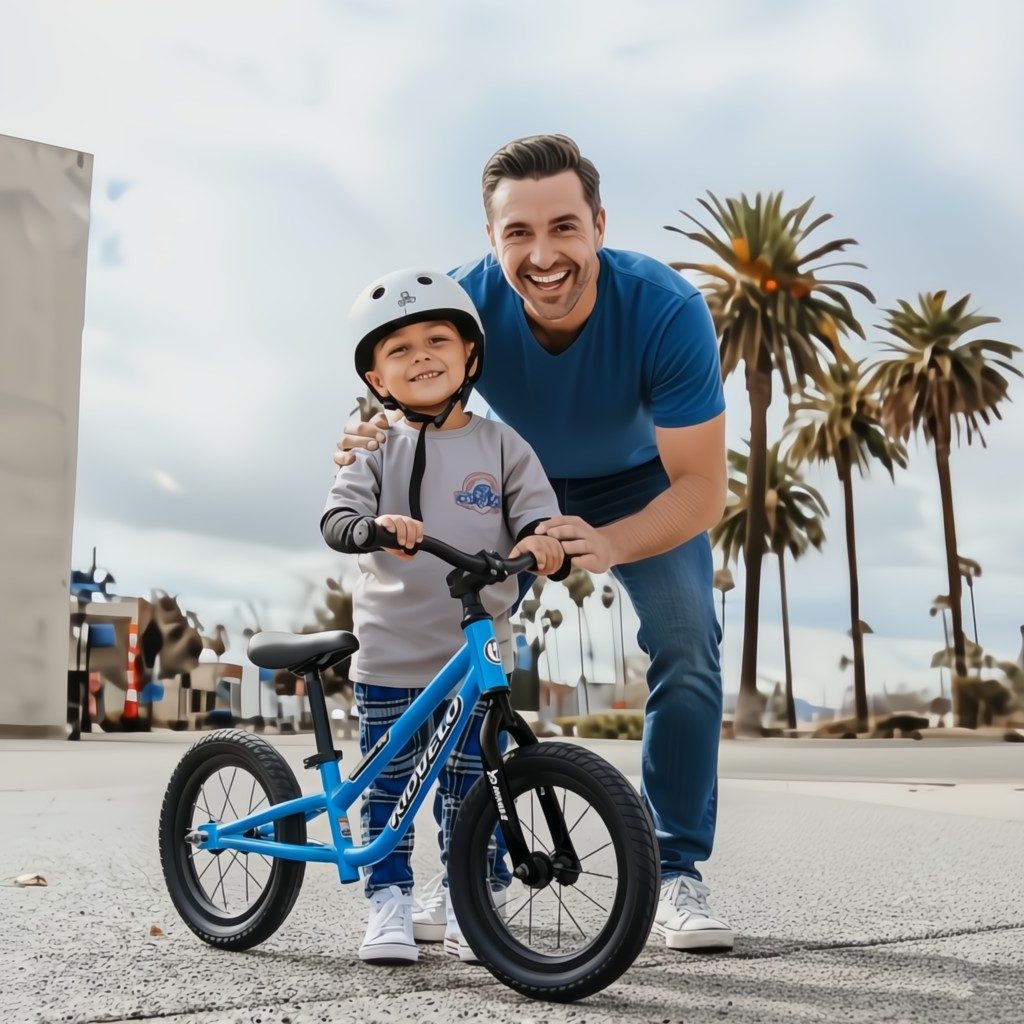
Helmets are compulsory in Australia for all riders, including balance bike riders. This applies in every state and territory.

For specific helmet requirements and riding safety advice, Better Health Victoria is an authoritative reference for Australian parents.

Use this checklist before every ride:

  • Correctly fitted helmet — snug, level, with a two-finger gap above the eyebrow
  • Closed-toe shoes — sandals and bare feet are not safe on a balance bike
  • Knee pads and elbow guards for early riders still finding their balance
  • Appropriate surface — smooth paths, footpaths, or grass for beginners

See our full bike accessories range for toddler helmets, knee pads, and elbow guards.

Frequently Asked Questions

A balance bike is a two-wheeled bike with no pedals and no training wheels. The child sits on the seat and propels themselves forward with their feet on the ground. They learn to steer, lean, and glide naturally, building the balance skills needed for a pedal bike before they ever touch a crank.

Balance bikes suit children from 18 months to 5 years old. The right age depends on the child's height and inseam, not just their age. Use the size guide table above. If your child's feet sit flat on the ground with a slight knee bend, the bike fits.

Measure your child's inseam (inside leg, bare feet). Use the size guide above to match their inseam to the correct wheel size and seat height range. A 12 inch balance bike suits most 2–3 year olds. A 14 inch balance bike suits most 3–5 year olds.

Yes  for most children. Balance bikes teach the actual skill of cycling: balance, steering by leaning, and controlled gliding. Training wheels teach only pedalling. Children on balance bikes reach independent cycling faster and with more confidence.

Most children progress from walking the bike to gliding within 2–4 weeks of regular use. Children who learn on a balance bike typically transition to a pedal bike within a few days, not the weeks or months typical for training wheel riders.

Why Choose Our Quality Products For Your Child?

Long Lasting – Safety Certified – Perfect Fit – Fun for All Levels – Trusted by Parents

Why Choose Our Quality Products For Your Child?

Frequently Asked Questions of Balance Bikes

What age is appropriate for a balance bike?
The appropriate age for a balance bike is typically between 2 to 8 years old, as children in this age range are usually developing the motor skills needed to ride a balance bike effectively.

Yes, balance bikes are generally considered more effective than training wheels in teaching children how to balance on a bike, making the transition to a pedal bike smoother and quicker.

Most children can learn to ride a balance bike within a few days to a few weeks, depending on their individual abilities and confidence level.
The benefits of balance bikes include improving children’s balance, coordination, and motor skills, as well as fostering a sense of independence and confidence in their riding abilities.
To transition from a balance bike to a pedal bike, encourage your child to practice coasting and balancing without their feet touching the ground, which simulates the feeling of riding a pedal bike.
Yes, balance bikes are safe for toddlers when used under proper supervision and in a suitable environment that is free of potential hazards.
Look for features like adjustable seat and handlebar height, lightweight frame for easy maneuverability, air filled tyres, and a hand brakes for added safety when choosing a balance bike.

While balance bikes are typically designed for outdoor use, they can be used indoors on flat, smooth surfaces with caution to ensure the child’s safety and the protection of indoor surfaces.

To teach a child to use a balance bike, start by demonstrating how to sit and walk with the bike, encouraging them to push off with their feet and gradually progress to coasting and balancing while steering.
The weight limit for balance bikes varies by model, but most can generally support up to around 30kgs to 50kgs, so be sure to check the manufacturer’s specifications for the specific weight limit of the balance bike you choose.

Why balance bikes work for Toddlers? — the Science Behind the method

A traditional bike with training wheels teaches a child to pedal. It teaches nothing about balance. When the training wheels come off, the child still has to learn balance from scratch, often with fear and falls.A balance bike flips this entirely. The child masters balance first. They learn to steer by leaning, to brake by skidding their feet, and to glide with both feet off the ground. When they eventually move to a pedal bike, they are already halfway there.Research cited by Raising Children Network confirms that children who develop foundational balance and coordination skills early progress faster and more confidently to independent cycling. Balance bikes deliver exactly that foundation.Most children transition from balance bike to pedal bike within 2–4 weeks, compared to months of wobbling with training wheels. The best balance bikes are lightweight, under 3.5 kg for a 12 inch model. Weight is everything at this age. A toddler who struggles to lift their own bike loses interest fast. Aluminium frames keep weights in the right range. Avoid heavy steel balance bikes regardless of price.

What age is a balance bike for, and which size?

  • 1- Balance bikes for 18 months to 2 year olds The youngest riders start here. Look for a 10 or 12 inch balance bike with a minimum seat height under 30 cm. The child’s feet must sit flat on the ground with a slight knee bend, never on tiptoe. Frame weight matters most at this age. Stay under 3 kg.
  • 2- Balance bikes for 2 to 3 year olds — 12 inch wheels A 2 year old balance bike most commonly uses a 12 inch whee Balance Bike l. This is the most popular size in our range. Adjustable seat height is critical at this age, children grow fast and you want at least 12 months of usability from one setting. 3 – Balance bikes for 3 to 5 year olds — 14 inch balance bikes
  • A 3 to 4 year old who missed the early window, or who is tall for their age, moves to a 14 inch balance bike. The larger frame offers more clearance for longer legs. By 4 to 5 years old, most children are ready to transition to a pedal bike.
The transition moment arrives when a child glides consistently with both feet raised for 3 or more seconds. That is the signal. Fit them on a 14 or 16 inch pedal bike with the seat set low and they will typically pedal independently within a day.Ready to make that move? See our full range of kids bikes.

Balance Bike Size Guide  Age, Inseam, and Wheel Size

Measure your child’s inseam (bare feet, standing). This is more accurate than age alone.
AgeInseamWheel sizeMin seat heightMax seat height
18 months – 2 yrs28–33 cm10″ or 12″Under 30 cm35 cm
2–3 yrs32–38 cm12″30 cm40 cm
3–4 yrs38–45 cm14″38 cm48 cm
4–5 yrs43–50 cm14″40 cm52 cm
 

Choosing the best balance bike in Australia — What Actually Matters?

1- Frame weight

Under 3.5 kg for a 12 inch model is non-negotiable. Aluminium frames hit this target. Steel frames rarely do. A light bike builds confidence. A heavy bike gets abandoned in the garage.

2- Tyre type — pneumatic vs foam vs solid rubber

This is the biggest performance difference between cheap and quality balance bikes. Here is how each type compares: 
Tyre typeBest forPuncture riskVerdict
Pneumatic (air)All outdoor surfacesLow with slimeBest choice
EVA foamSmooth indoor pathsNoneAcceptable budget pick
Solid rubberSmooth paths onlyNoneAvoid, heavy and harsh
 Pneumatic air tyres absorb vibration, roll better on grass and gravel, and feel more natural underfoot. They are the correct choice for outdoor use in Australia. EVA foam tyres are an acceptable compromise for budget-conscious buyers on smooth paths. Solid rubber tyres are the worst option — heavy, harsh, and slow.

3- Seat adjustability

The seat must be lower enough for your child now, and raised high enough to last 18 months or more. Check both the minimum and maximum seat heights against the size guide above before buying.

4 – Handlebar adjustability

Fixed handlebars at the wrong height create bad posture and poor control. Adjustable handlebars add 1–2 years of usability and are worth the small cost premium.

5 – Hand brake

Not essential for toddlers under 3. A useful addition for children aged 3 and up who are developing fine motor control. It also teaches correct braking techniques before they move to a pedal bike.

What to avoid when buying a balance bike

  •       Heavy steel frames: anything over 4 kg will frustrate a toddler.
  •       Foam or solid rubber tyres: poor on anything other than smooth concrete.
  •       Non-adjustable seats: your child will outgrow the bike in months.
  •       Fixed handlebars: wrong height creates bad riding posture.
  •       Brands without Australian stock or returns: slow shipping and difficult returns are not worth the saving.

Girls balance bikes and colour options

Our range includes balance bikes in colours popular with girls and boys alike. Many families choose balance bikes as birthday or Christmas gifts we stock options suited to all ages from 18 months. Filter by age and colour in the product grid above.

Helmets and safety for balance bike riders in Australia

Helmets are compulsory in Australia for all riders, including balance bike riders. This applies in every state and territory.For specific helmet requirements and riding safety advice, Better Health Victoria is an authoritative reference for Australian parents.Use this checklist before every ride:
  • Correctly fitted helmet — snug, level, with a two-finger gap above the eyebrow
  • Closed-toe shoes — sandals and bare feet are not safe on a balance bike
  • Knee pads and elbow guards for early riders still finding their balance
  • Appropriate surface — smooth paths, footpaths, or grass for beginners

See our full bike accessories range for toddler helmets, knee pads, and elbow guards.
Read More >

Join the Kids Bikes Online Community to get $10 off orders over $99.00aud