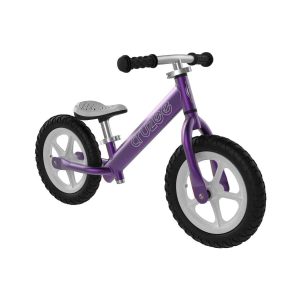
12 inch Bike Ages (2-4yrs)
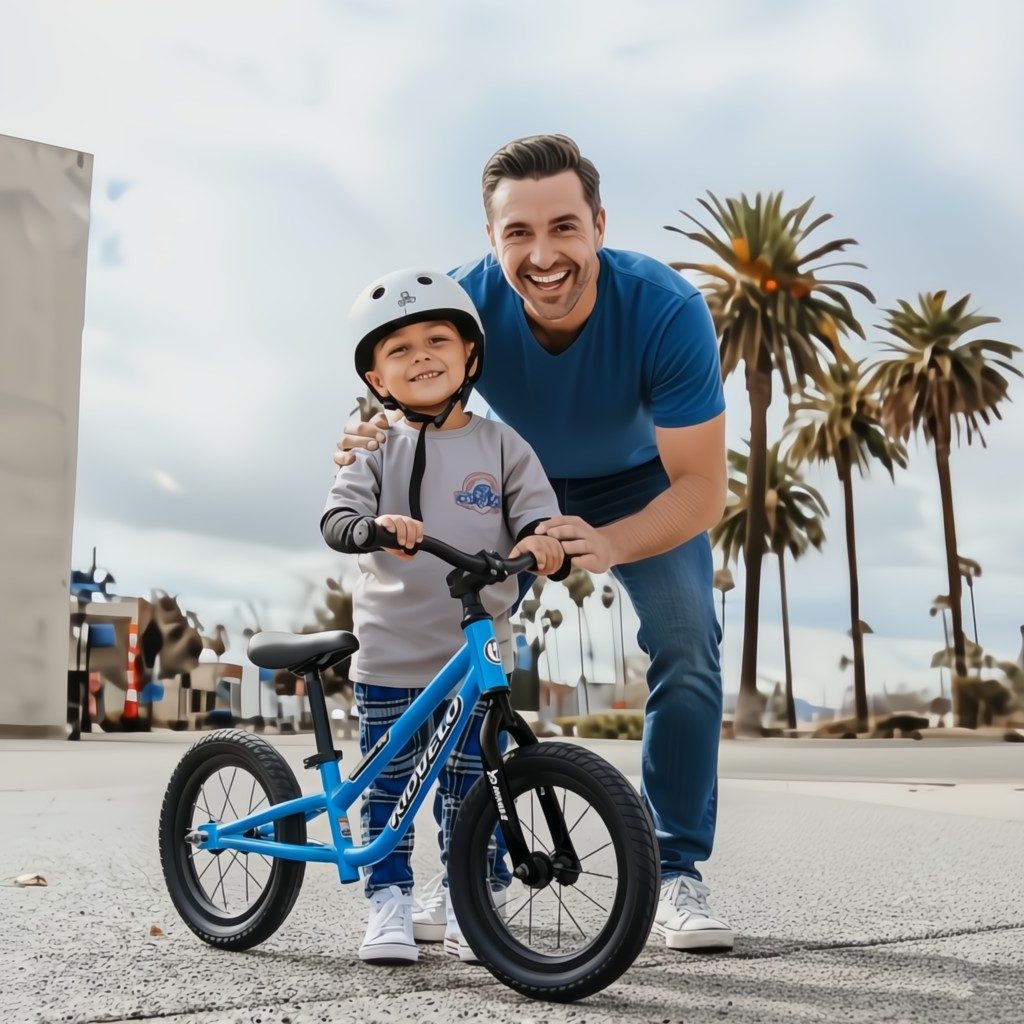
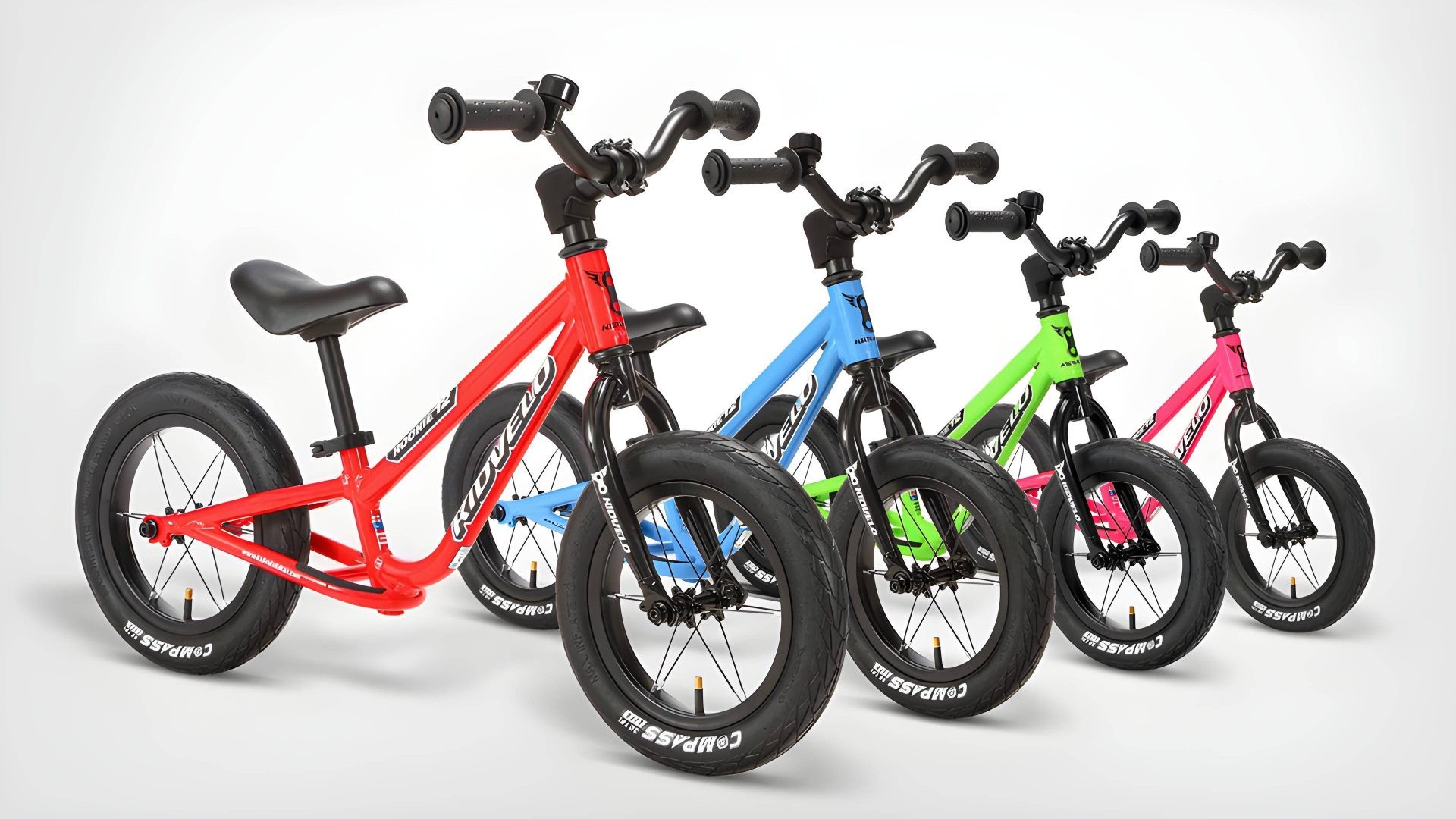
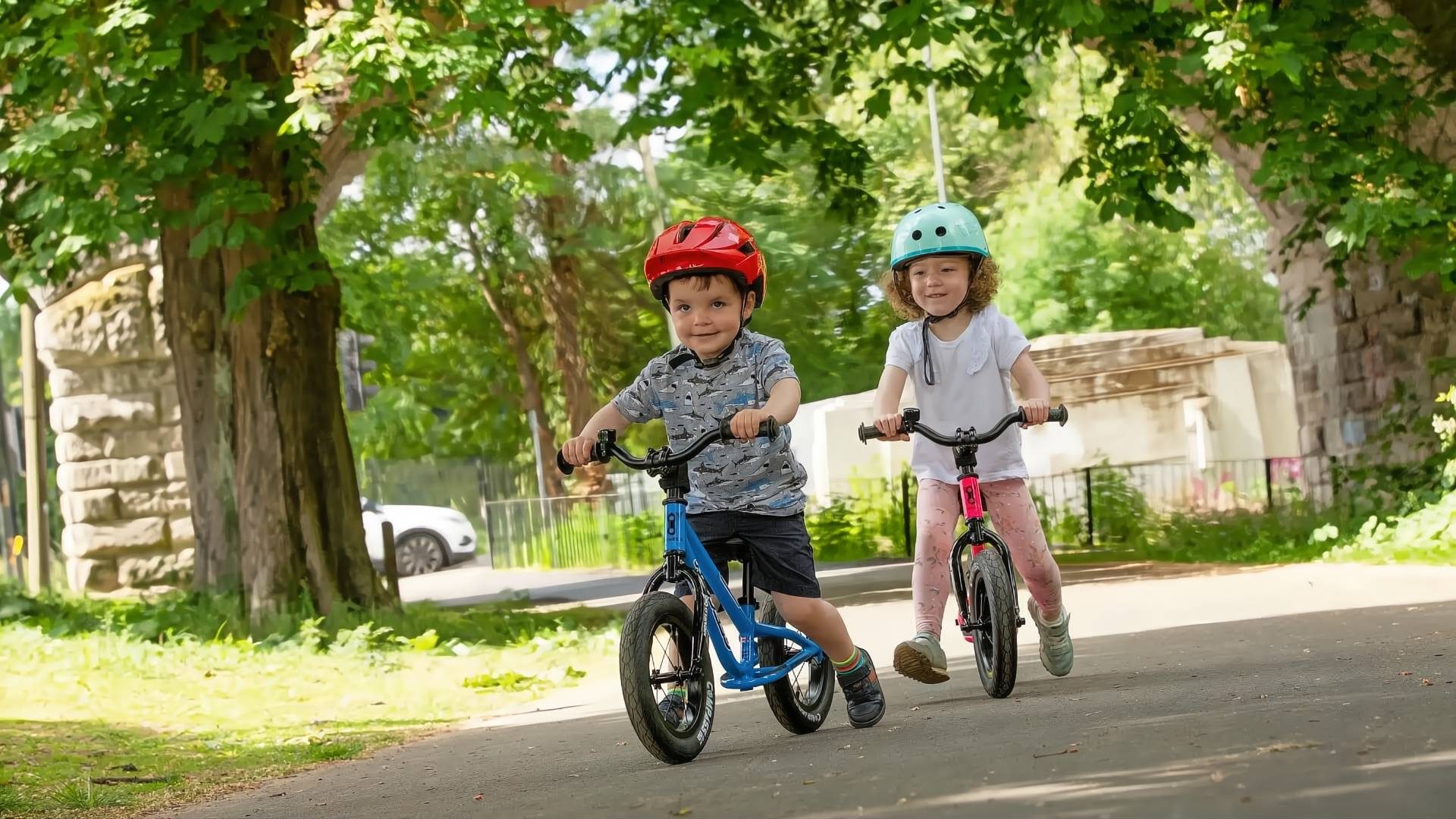
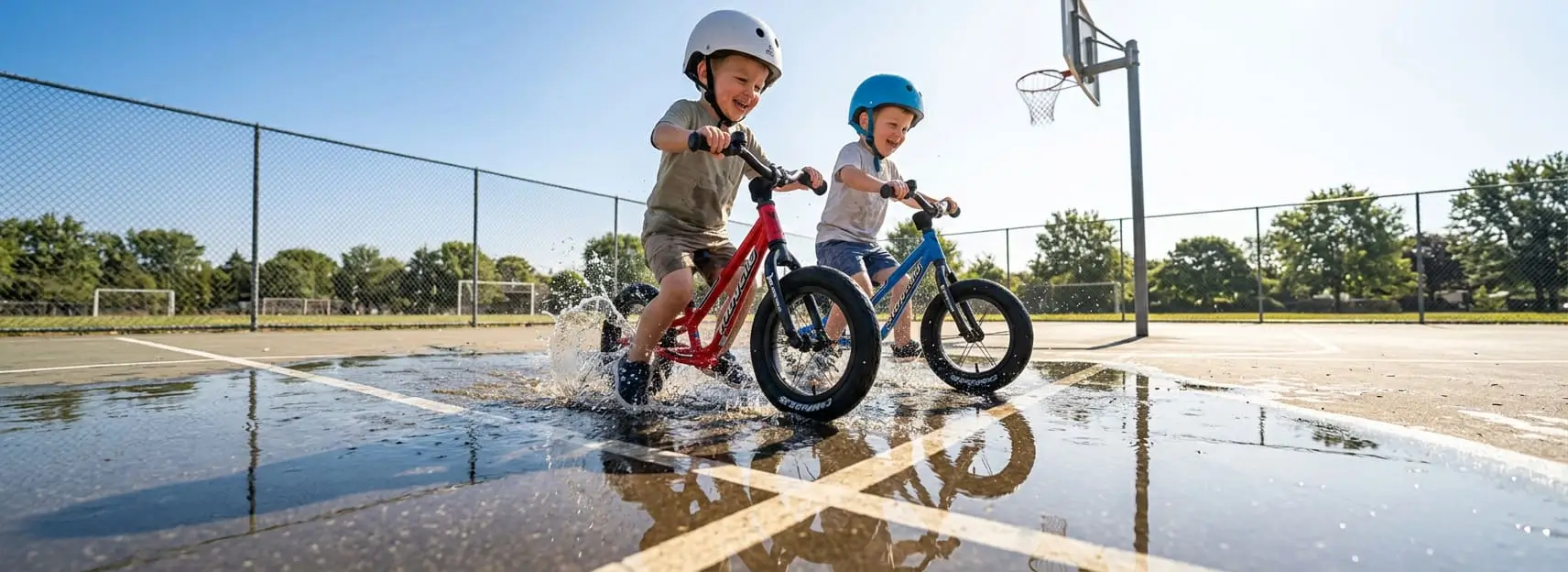
A 12 inch bike is the right first pedal bike for most Australian kids aged 2 to 4 years. Every children’s 12 inch bike in this collection weighs under 6 kg, fits riders between 85 cm and 100 cm tall, and meets Australia’s mandatory bicycle safety standard.
Whether your child is stepping up from a balance bike or starting fresh, this is the collection that gets them riding.
Australian-owned and operated · Secure checkout · Fast dispatch · Easy returns ·
Trusted and Loved by Hundreds of Happy Parents and Grandparents!
12 inch Bike Ages (2-4yrs), Balance Bikes, Kids Bikes
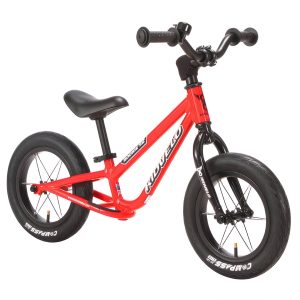
This product has multiple variants. The options may be chosen on the product page$229.95Original price was: $229.95.$199.95Current price is: $199.95.12 inch Bike Ages (2-4yrs), Balance Bikes, Kids Bikes
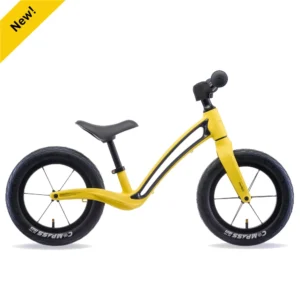
This product has multiple variants. The options may be chosen on the product page$249.00Original price was: $249.00.$209.95Current price is: $209.95.
Showing all 2 resultsSorted by latest
What Makes a Good 12 Inch Kids Bike?
Not every children’s 12 inch bike is built the same. Four factors separate a bike that builds confidence from one that collects dust in the garage.
Weight – the Single Most Important Factor
A heavy bike fights a small child at every turn. The best 12 inch bikes weigh under 5 kg. Discount bikes at this wheel size commonly weigh 7 to 8 kg — a significant portion of a toddler’s own body weight. A child who struggles to pick their bike up off the ground stops wanting to ride it.
Every 12 inch kids bike in this collection has been selected with weight as the first filter.
Frame Geometry – Standover Height Matters
A low standover height lets kids plant both feet flat when they hesitate. That security removes the fear that stops new riders from trying. Look for a frame where the seat bottoms out well below your child’s inseam. This is more important than saddle padding or handlebar style at this age.
Tyre Type – Pneumatic vs Foam-filled
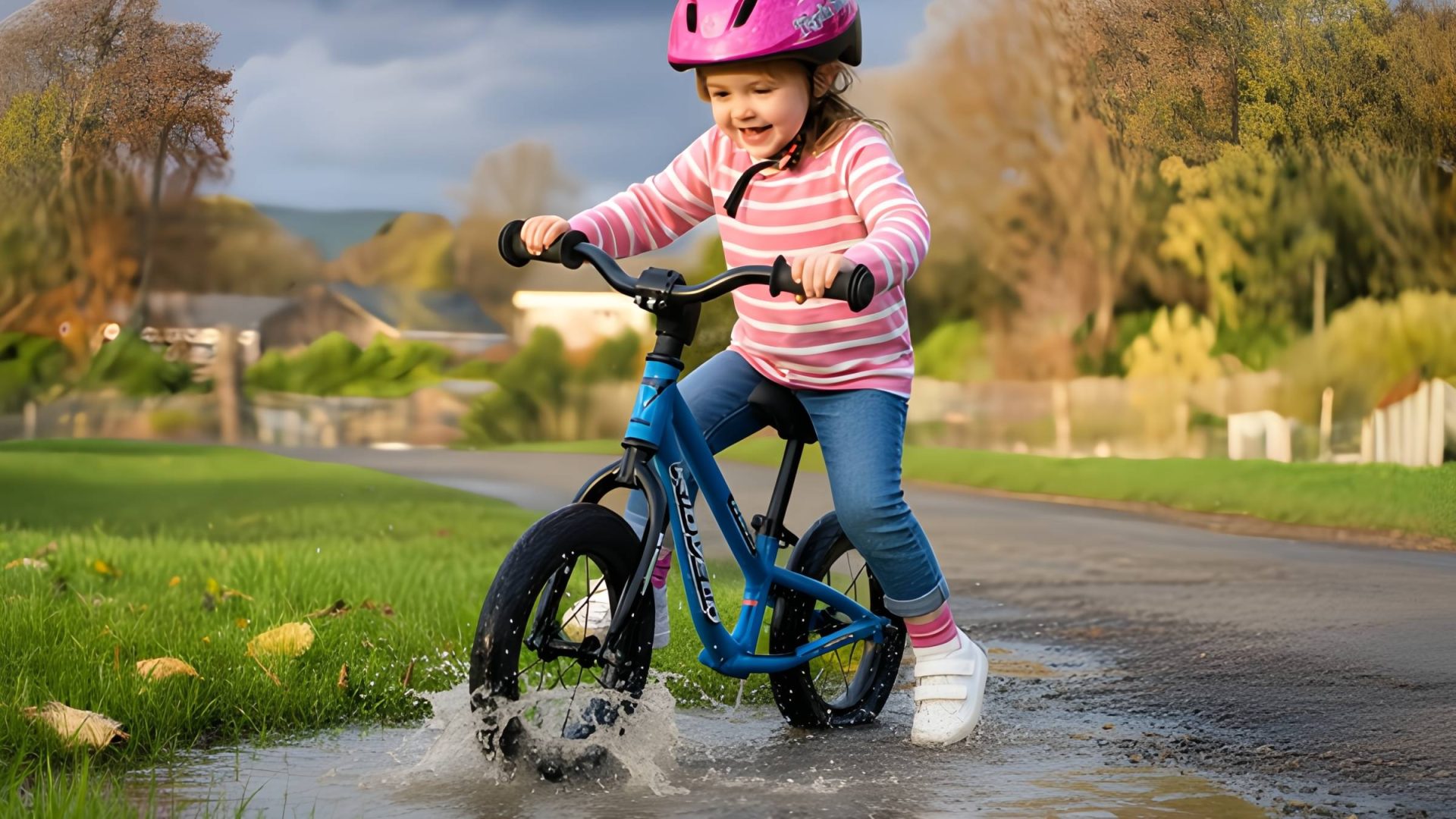
Air-filled pneumatic tyres absorb bumps and roll far better than foam-filled solid tyres on real footpaths and grass. If your child will ride on any surface other than smooth concrete, choose a 12 inch bike with pneumatic tyres. Foam-filled tyres suit only indoor or perfectly smooth surfaces.
What age and height suits a 12 inch bike?
A 12 inch bike suits children aged 2 to 4 years. Height is a more reliable guide than age. Most kids riding a 12 inch bike comfortably stand between 85 cm and 100 cm tall.
A child who is tall for their age may size up to a 14 inch bike earlier than expected. A child on the shorter end of the range may find a 12 inch balance bike more manageable as a starting point.
A popular birthday gift for 2 and 3 year olds. If you’re shopping for a gift, use the height guide above and ask the parent for their child’s current measurement. A correctly fitted bike is used every day. An oversized bike gets left in the shed.
From balance bike to pedal bike — when is your child ready?
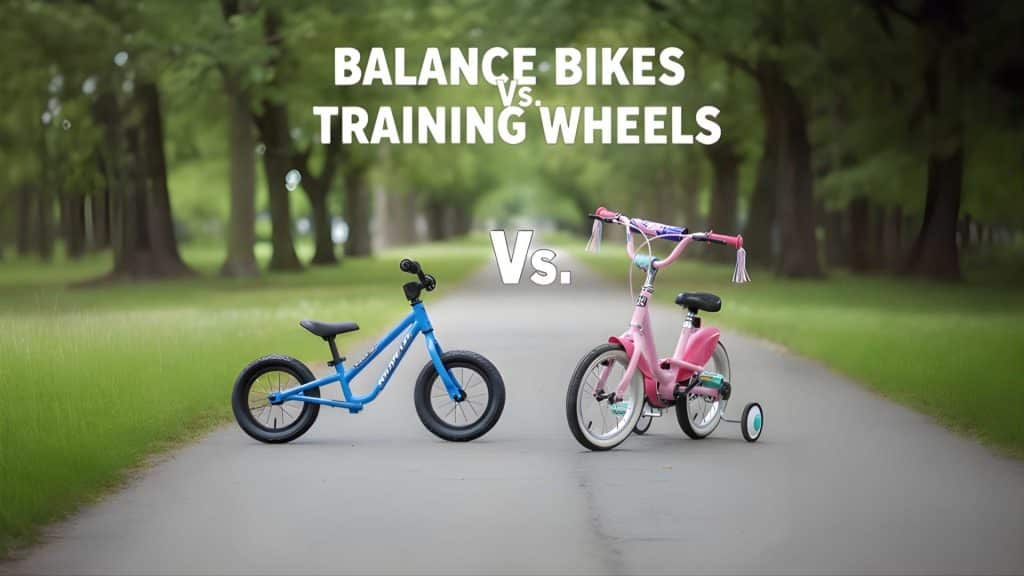
Balance bike graduates skip training wheels entirely. They already understand steering and balance. They only need to learn to pedal — and most children learn this within hours to days on their first ride.
Three signs your child is ready to pedal:
- They can glide on their balance bike with both feet off the ground for 3 seconds or more.
- They steer confidently around corners without putting a foot down.
- Their feet reach the pedals of the 12 inch pedal bike when the seat is set correctly.
If your child meets all three, go straight to a 12 inch pedal bike. Training wheels are not needed and actually slow the process down.
If your child meets one or two but not all three, a 12 inch balance bike for another few weeks will get them there faster than any other method.
12 inch balance bikes, the best start for toddlers under 3
A 12 inch balance bike suits toddlers from around 18 months to 3 years. It has no pedals, no chain, and no drivetrain. The child propels themselves with their feet on the ground and learns balance and steering first, without the coordination demand of pedalling at the same time.
Children who start on a balance bike consistently transition to pedal bikes faster than those who start with training wheels. The research is clear on this: balance comes first, pedalling comes second.
What to look for in a 12 inch balance bike
- Seat height: Should sit 1–2 cm below your child’s inseam so both feet rest flat.
- Weight: Under 3.5 kg is ideal for a toddler carrying or parking their own bike.
- Footrest: Some 12 inch balance bikes include a footrest for gliding. useful once the child progresses past the walking stage.
Browse our full 12 inch balance bike collection for all available options.
The most common mistake parents make buying a children’s 12 inch bike
Buying too big to grow into. A 12 inch bike that fits poorly now will not fit better in six months. It will just be wrong for longer.
Set the seat so both feet rest flat on the ground with a slight bend at the knee. That is the correct starting position. A child who cannot touch the ground confidently does not feel safe. A child who does not feel safe does not ride.
A note on saddle choice. A narrow, firm saddle suits active pedalling at this age. Oversized padded saddles look comfortable but make it harder for small legs to generate a proper pedal stroke. Comfort at this age comes from fit and confidence not cushioning.
Are 12 inch bikes safe for Australian kids?
Yes. Every bike stocked at Kids Bikes Online meets the mandatory bicycle safety standard set by the Australian Competition and Consumer Commission (ACCC). This covers braking performance, frame strength, and reflector requirements for all children’s bicycles sold in Australia.
Always pair a first bike with a correctly fitted, approved helmet. The Better Health Channel provides evidence-based guidance on helmet fit and child cycling safety for Australian parents.
Browse our full range of bike accessories including helmets, pads, and bells sized for the youngest riders.
Caring for your child’s 12 inch bike
A 12 inch kids bike needs minimal maintenance. Keep these three habits and the bike will last through multiple children.
- Check tyre pressure monthly on pneumatic tyres. Soft tyres slow small riders down significantly and make steering heavy.
- Wipe the chain dry after rain or wet grass rides. A quick wipe and a drop of chain oil twice a year prevents rust and keeps pedalling smooth.
- Store indoors or under cover. UV and moisture degrade plastic components and accelerate rust on steel frames faster than riding ever will.
Looking For Adventure and Insider Tips?
Here you’ll find tons of ideas and inspiration to make bike riding or skating with your child, even more fun!
Frequently Asked Questions
A 12 inch bike refers to the wheel diameter, 12 inches, or roughly 30 cm across. The overall bike is small and lightweight. Total length sits around 70–80 cm and most weigh between 4 and 6 kg. It is designed for the youngest riders aged 2 to 4 years.
A 12 inch bike suits children aged 2 to 4 years. Height is a better guide than age. Kids standing between 85 cm and 100 cm tall fit a 12 inch bike well. A child who is tall for their age may size up to a 14 inch bike earlier than expected.
A 12 inch balance bike suits toddlers from around 18 months to 3 years old. It is the ideal first bike for children not yet ready for pedals. Kids who start on a balance bike typically transition to pedal bikes faster and without training wheels.
Yes, if they can stand over the frame with both feet flat on the ground. A 2 year old who is 85 cm or taller will fit most 12 inch bikes. A 12 inch balance bike is the better starting point for most 2 year olds, since it removes the coordination challenge of pedalling entirely.
Not if your child already rides a balance bike. Balance bike graduates understand steering and balance already. They only need to learn pedalling, which typically happens within hours to days. Training wheels can help if starting from scratch, but a balance bike is a faster and more effective first step.
A 12 inch pedal bike has cranks, pedals, and a chain drivetrain. A 12 inch balance bike has none of those, the child propels themselves with their feet on the ground. A balance bike teaches balance and steering first, without the coordination demand of pedalling at the same time.
Why Choose Our Quality Products For Your Child?
Long Lasting – Safety Certified – Perfect Fit – Fun for All Levels – Trusted by Parents

Frequently Asked Questions of Balance Bikes
What age is appropriate for a balance bike?
Are balance bikes better than training wheels?
Yes, balance bikes are generally considered more effective than training wheels in teaching children how to balance on a bike, making the transition to a pedal bike smoother and quicker.
How long does it take to learn to ride a balance bike?
What are the benefits of balance bikes?
How do you transition from a balance bike to a pedal bike?
Are balance bikes safe for toddlers?
What features should I look for in a balance bike?
Can balance bikes be used indoors?
While balance bikes are typically designed for outdoor use, they can be used indoors on flat, smooth surfaces with caution to ensure the child’s safety and the protection of indoor surfaces.
How do you teach a child to use a balance bike?
What's the weight limit for balance bikes?
What Makes a Good 12 Inch Kids Bike?
Not every children’s 12 inch bike is built the same. Four factors separate a bike that builds confidence from one that collects dust in the garage.Weight – the Single Most Important Factor
A heavy bike fights a small child at every turn. The best 12 inch bikes weigh under 5 kg. Discount bikes at this wheel size commonly weigh 7 to 8 kg — a significant portion of a toddler’s own body weight. A child who struggles to pick their bike up off the ground stops wanting to ride it.Every 12 inch kids bike in this collection has been selected with weight as the first filter.Frame Geometry – Standover Height Matters
A low standover height lets kids plant both feet flat when they hesitate. That security removes the fear that stops new riders from trying. Look for a frame where the seat bottoms out well below your child’s inseam. This is more important than saddle padding or handlebar style at this age.Tyre Type – Pneumatic vs Foam-filled
Air-filled pneumatic tyres absorb bumps and roll far better than foam-filled solid tyres on real footpaths and grass. If your child will ride on any surface other than smooth concrete, choose a 12 inch bike with pneumatic tyres. Foam-filled tyres suit only indoor or perfectly smooth surfaces.What age and height suits a 12 inch bike?
A 12 inch bike suits children aged 2 to 4 years. Height is a more reliable guide than age. Most kids riding a 12 inch bike comfortably stand between 85 cm and 100 cm tall.A child who is tall for their age may size up to a 14 inch bike earlier than expected. A child on the shorter end of the range may find a 12 inch balance bike more manageable as a starting point.A popular birthday gift for 2 and 3 year olds. If you’re shopping for a gift, use the height guide above and ask the parent for their child’s current measurement. A correctly fitted bike is used every day. An oversized bike gets left in the shed.From balance bike to pedal bike — when is your child ready?
Balance bike graduates skip training wheels entirely. They already understand steering and balance. They only need to learn to pedal — and most children learn this within hours to days on their first ride.Three signs your child is ready to pedal:- They can glide on their balance bike with both feet off the ground for 3 seconds or more.
- They steer confidently around corners without putting a foot down.
- Their feet reach the pedals of the 12 inch pedal bike when the seat is set correctly.
12 inch balance bikes, the best start for toddlers under 3
A 12 inch balance bike suits toddlers from around 18 months to 3 years. It has no pedals, no chain, and no drivetrain. The child propels themselves with their feet on the ground and learns balance and steering first, without the coordination demand of pedalling at the same time.Children who start on a balance bike consistently transition to pedal bikes faster than those who start with training wheels. The research is clear on this: balance comes first, pedalling comes second.What to look for in a 12 inch balance bike
- Seat height: Should sit 1–2 cm below your child’s inseam so both feet rest flat.
- Weight: Under 3.5 kg is ideal for a toddler carrying or parking their own bike.
- Footrest: Some 12 inch balance bikes include a footrest for gliding. useful once the child progresses past the walking stage.
The most common mistake parents make buying a children’s 12 inch bike
Buying too big to grow into. A 12 inch bike that fits poorly now will not fit better in six months. It will just be wrong for longer.Set the seat so both feet rest flat on the ground with a slight bend at the knee. That is the correct starting position. A child who cannot touch the ground confidently does not feel safe. A child who does not feel safe does not ride.A note on saddle choice. A narrow, firm saddle suits active pedalling at this age. Oversized padded saddles look comfortable but make it harder for small legs to generate a proper pedal stroke. Comfort at this age comes from fit and confidence not cushioning.Are 12 inch bikes safe for Australian kids?
Yes. Every bike stocked at Kids Bikes Online meets the mandatory bicycle safety standard set by the Australian Competition and Consumer Commission (ACCC). This covers braking performance, frame strength, and reflector requirements for all children’s bicycles sold in Australia.Always pair a first bike with a correctly fitted, approved helmet. The Better Health Channel provides evidence-based guidance on helmet fit and child cycling safety for Australian parents.Browse our full range of bike accessories including helmets, pads, and bells sized for the youngest riders.Caring for your child’s 12 inch bike
A 12 inch kids bike needs minimal maintenance. Keep these three habits and the bike will last through multiple children.- Check tyre pressure monthly on pneumatic tyres. Soft tyres slow small riders down significantly and make steering heavy.
- Wipe the chain dry after rain or wet grass rides. A quick wipe and a drop of chain oil twice a year prevents rust and keeps pedalling smooth.
- Store indoors or under cover. UV and moisture degrade plastic components and accelerate rust on steel frames faster than riding ever will.