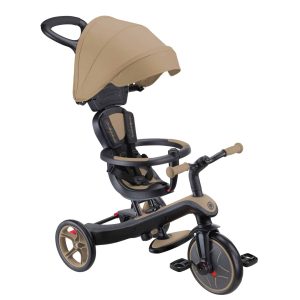
Tricycles

Tricycles for kids come in more shapes, sizes, and quality tiers than most parents realise. This collection covers the full range from infant tricycles with parent push handles to pedal-ready trikes built for confident three-year-olds.

Every model here meets Australia’s mandatory bicycle safety standard. Whether you’re shopping for your own child or buying as a grandparent, this guide helps you find the right fit without the guesswork.

Australian-owned and operated · Secure checkout · Fast dispatch · Easy returns · 

Trusted and Loved by Hundreds of Happy Parents and Grandparents!

Showing the single result

How to choose the right kids tricycle for your child’s age and size

Fit determines everything. A tricycle that doesn’t match your child’s developmental stage gets abandoned fast. Use the table below before you browse—it makes the decision straightforward.

Age RangeTrike TypePriority FeatureTypical Weight Limit
12–24 monthsInfant tricycleFixed parent push handleUp to 20 kg
2–3 yearsToddler trikeDetachable push handle + footrestUp to 25 kg
3–5 yearsPedal tricycleAdjustable seat heightUp to 30 kg
5+ yearsJunior trike or first pedal bikeExtended frame + hand brakeUp to 40 kg

Check individual product listings for exact weight limits. Capacities vary by brand and model.

1 – Ages 12–36 months: infant tricycles with parent push handles

An infant tricycle at this stage is a developmental tool, not a ride-on toy. Your child is learning to sit, hold on, and respond to movement beneath them. The parent push handle lets you steer from behind while they build confidence.

Choose a model where the handle detaches cleanly. Handles that bolt on awkwardly become a fight to remove once your child is ready to self-steer. Check the footrest position too. A correctly placed footrest prevents dangling legs and reduces fatigue on longer rides.

2 – Ages 3–5: pedal-driven tricycles for toddlers

At three, most children have the coordination to pedal with intention. Seat height is your primary measurement. Feet should rest flat on the pedals at the lowest rotation point—no stretching, no toe-tapping.

Check pedal arm length before you commit. Arms that are too long cause a toddler’s knees to hit the handlebar stem mid-rotation. That is a design flaw, not user error. Most listings don’t flag it. Ask or measure before purchasing.

Buying a tricycle as a gift? Sizing guidance for grandparents

Buying without knowing your grandchild’s exact measurements is commonand solvable. Ask the parents for their child’s inseam measurement, not just their age. Two four-year-olds can differ by 8 centimetres in inseam length. Age alone is an unreliable sizing guide.

If you can’t get an inseam, size down rather than up. A slightly lower seat is safer and more comfortable than one your grandchild strains to reach. Look for adjustable seat posts—they provide a buffer across growth spurts and extend the trike’s useable life significantly.

What makes a quality Kids Tricycle worth buying and what doesn’t

The price range for kids tricycles in the Australian market runs from under $80 to over $200. Here’s what changes across those tiers.

1 – Frame material and wheel type: where quality divides

Steel-framed trikes handle Australian driveways, footpaths, and backyard terrain without flexing or cracking. Plastic frames feel light in the box. They degrade under UV exposure and repeated outdoor impact faster than most parents expect from a first Australian summer.

Wheel type follows the same split. Rubber or foam-filled tyres grip properly on uneven surfaces. Hard hollow plastic wheels vibrate, slip, and make riding uncomfortable on anything other than smooth flooring. If your child rides outside and they will rubber tyres are not optional.

2 – Seat adjustability, handlebar grips, and weight capacity

An adjustable seat post extends strike life by 12 to 24 months. A fixed seat becomes the wrong height within one growth cycle. On a $100+ purchase, that difference matters significantly to your return on investment.

Handlebar grips harden and crack through Australian heat and UV exposure. EVA foam or moulded rubber grips stay soft, provide genuine purchase for small hands, and outlast cheap alternatives by a full season or more. Always confirm the weight capacity on individual product pages before purchasing. It varies by brand and frame construction.

Australian Safety Standards, Helmet Requirements, and Outdoor Riding Tips

What Australia’s mandatory bicycle standard covers

Australia enforces mandatory safety standards for bicycles, including tricycles and ride-on toys sold across the country. The ACCC oversees compliance under the mandatory standard for bicycles, which covers protrusion limits on handlebars and pedals, seat stability thresholds, and maximum handlebar height. Every tricycle in this collection meets these requirements.

Purchase only from Australian retailers who can confirm compliance. Tricycles sold through unverified international marketplaces regularly bypass this standard. The difference is not visible in photos—it shows up in safety testing results.

Helmets for Tricycles, sun safety, and terrain guidance

Helmet use is legally required for children riding bikes and trikes in every Australian state and territory. A helmet meeting AS/NZS 2063 is the correct standard. Fit matters as much as certification. The Better Health Channel provides a practical helmet fitting guide for children that’s worth reviewing before your child’s first ride.

Australian UV intensity adds a risk most international guides don’t address. Schedule rides before 10am or after 3pm during summer months. A rear-peaked helmet covers ears and the back of the neck, an underrated feature on longer morning outings.

Every tricycle in this collection ships directly to your door. Most models require 10 to 15 minutes of flat-pack assembly with standard household tools—no specialist skills needed. Full dispatch timelines, delivery zones, and packaging details are available on our shipping and delivery page.

Pair your trike with the right safety gear from our bike accessories range—helmets, knee pads, and handlebar grips sized for young riders. Not sure which trike fits your child? Browse the complete Kids Bikes Online range or contact our team directly for sizing advice before you buy.

Frequently Asked Questions

Why Choose Our Quality Products For Your Child?

Long Lasting – Safety Certified – Perfect Fit – Fun for All Levels – Trusted by Parents

Why Choose Our Quality Products For Your Child?

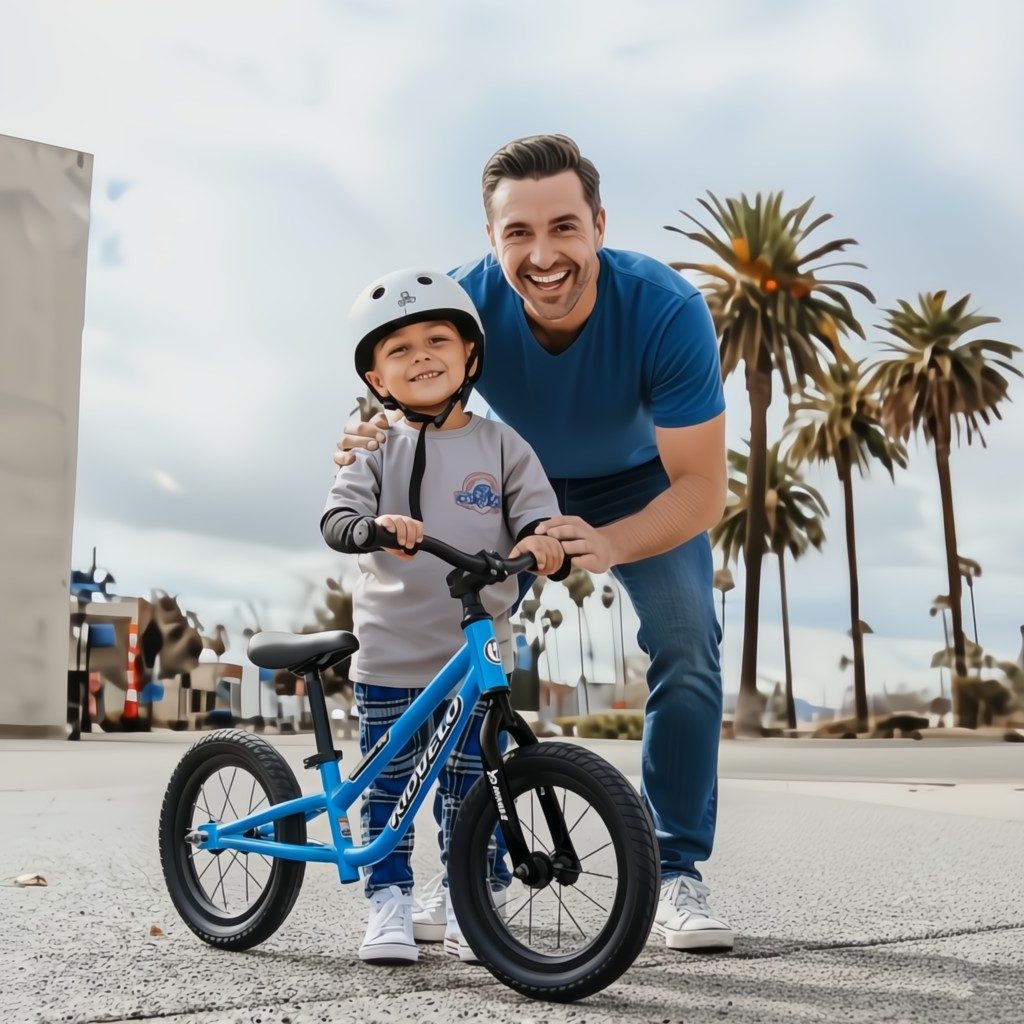
Frequently Asked Questions of Balance Bikes

What age is appropriate for a balance bike?
The appropriate age for a balance bike is typically between 2 to 8 years old, as children in this age range are usually developing the motor skills needed to ride a balance bike effectively.

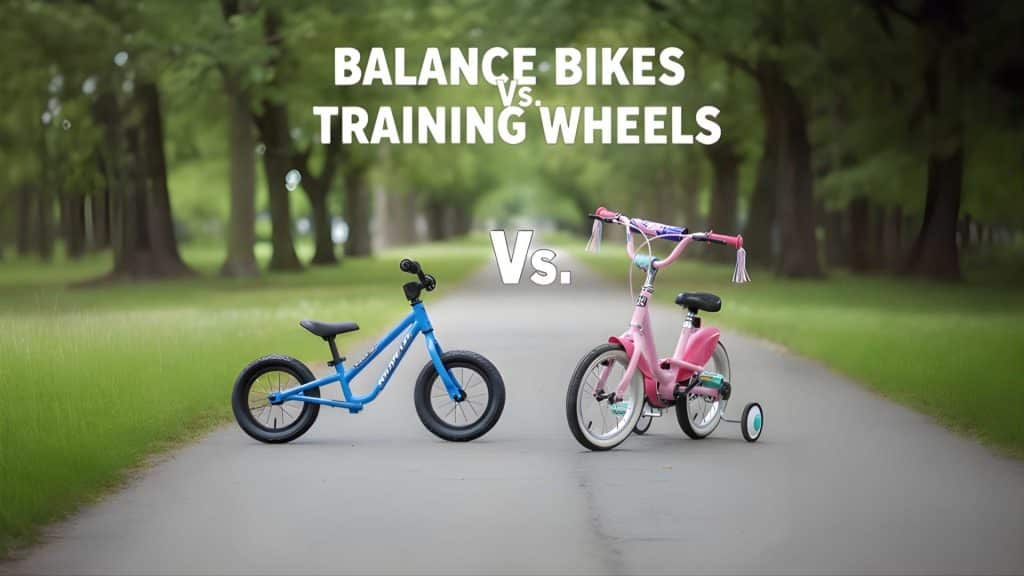
Yes, balance bikes are generally considered more effective than training wheels in teaching children how to balance on a bike, making the transition to a pedal bike smoother and quicker.

Most children can learn to ride a balance bike within a few days to a few weeks, depending on their individual abilities and confidence level.
The benefits of balance bikes include improving children’s balance, coordination, and motor skills, as well as fostering a sense of independence and confidence in their riding abilities.
To transition from a balance bike to a pedal bike, encourage your child to practice coasting and balancing without their feet touching the ground, which simulates the feeling of riding a pedal bike.
Yes, balance bikes are safe for toddlers when used under proper supervision and in a suitable environment that is free of potential hazards.
Look for features like adjustable seat and handlebar height, lightweight frame for easy maneuverability, air filled tyres, and a hand brakes for added safety when choosing a balance bike.

While balance bikes are typically designed for outdoor use, they can be used indoors on flat, smooth surfaces with caution to ensure the child’s safety and the protection of indoor surfaces.

To teach a child to use a balance bike, start by demonstrating how to sit and walk with the bike, encouraging them to push off with their feet and gradually progress to coasting and balancing while steering.
The weight limit for balance bikes varies by model, but most can generally support up to around 30kgs to 50kgs, so be sure to check the manufacturer’s specifications for the specific weight limit of the balance bike you choose.

How to choose the right kids tricycle for your child’s age and size

Fit determines everything. A tricycle that doesn’t match your child’s developmental stage gets abandoned fast. Use the table below before you browse—it makes the decision straightforward.
Age RangeTrike TypePriority FeatureTypical Weight Limit
12–24 monthsInfant tricycleFixed parent push handleUp to 20 kg
2–3 yearsToddler trikeDetachable push handle + footrestUp to 25 kg
3–5 yearsPedal tricycleAdjustable seat heightUp to 30 kg
5+ yearsJunior trike or first pedal bikeExtended frame + hand brakeUp to 40 kg
Check individual product listings for exact weight limits. Capacities vary by brand and model.

1 – Ages 12–36 months: infant tricycles with parent push handles

An infant tricycle at this stage is a developmental tool, not a ride-on toy. Your child is learning to sit, hold on, and respond to movement beneath them. The parent push handle lets you steer from behind while they build confidence.Choose a model where the handle detaches cleanly. Handles that bolt on awkwardly become a fight to remove once your child is ready to self-steer. Check the footrest position too. A correctly placed footrest prevents dangling legs and reduces fatigue on longer rides.

2 – Ages 3–5: pedal-driven tricycles for toddlers

At three, most children have the coordination to pedal with intention. Seat height is your primary measurement. Feet should rest flat on the pedals at the lowest rotation point—no stretching, no toe-tapping.Check pedal arm length before you commit. Arms that are too long cause a toddler’s knees to hit the handlebar stem mid-rotation. That is a design flaw, not user error. Most listings don’t flag it. Ask or measure before purchasing.

Buying a tricycle as a gift? Sizing guidance for grandparents

Buying without knowing your grandchild’s exact measurements is commonand solvable. Ask the parents for their child’s inseam measurement, not just their age. Two four-year-olds can differ by 8 centimetres in inseam length. Age alone is an unreliable sizing guide.If you can’t get an inseam, size down rather than up. A slightly lower seat is safer and more comfortable than one your grandchild strains to reach. Look for adjustable seat posts—they provide a buffer across growth spurts and extend the trike’s useable life significantly.

What makes a quality Kids Tricycle worth buying and what doesn’t

The price range for kids tricycles in the Australian market runs from under $80 to over $200. Here’s what changes across those tiers.

1 – Frame material and wheel type: where quality divides

Steel-framed trikes handle Australian driveways, footpaths, and backyard terrain without flexing or cracking. Plastic frames feel light in the box. They degrade under UV exposure and repeated outdoor impact faster than most parents expect from a first Australian summer.Wheel type follows the same split. Rubber or foam-filled tyres grip properly on uneven surfaces. Hard hollow plastic wheels vibrate, slip, and make riding uncomfortable on anything other than smooth flooring. If your child rides outside and they will rubber tyres are not optional.

2 – Seat adjustability, handlebar grips, and weight capacity

An adjustable seat post extends strike life by 12 to 24 months. A fixed seat becomes the wrong height within one growth cycle. On a $100+ purchase, that difference matters significantly to your return on investment.Handlebar grips harden and crack through Australian heat and UV exposure. EVA foam or moulded rubber grips stay soft, provide genuine purchase for small hands, and outlast cheap alternatives by a full season or more. Always confirm the weight capacity on individual product pages before purchasing. It varies by brand and frame construction.

Australian Safety Standards, Helmet Requirements, and Outdoor Riding Tips

What Australia’s mandatory bicycle standard covers

Australia enforces mandatory safety standards for bicycles, including tricycles and ride-on toys sold across the country. The ACCC oversees compliance under the mandatory standard for bicycles, which covers protrusion limits on handlebars and pedals, seat stability thresholds, and maximum handlebar height. Every tricycle in this collection meets these requirements.Purchase only from Australian retailers who can confirm compliance. Tricycles sold through unverified international marketplaces regularly bypass this standard. The difference is not visible in photos—it shows up in safety testing results.

Helmets for Tricycles, sun safety, and terrain guidance

Helmet use is legally required for children riding bikes and trikes in every Australian state and territory. A helmet meeting AS/NZS 2063 is the correct standard. Fit matters as much as certification. The Better Health Channel provides a practical helmet fitting guide for children that’s worth reviewing before your child’s first ride.Australian UV intensity adds a risk most international guides don’t address. Schedule rides before 10am or after 3pm during summer months. A rear-peaked helmet covers ears and the back of the neck, an underrated feature on longer morning outings.Every tricycle in this collection ships directly to your door. Most models require 10 to 15 minutes of flat-pack assembly with standard household tools—no specialist skills needed. Full dispatch timelines, delivery zones, and packaging details are available on our shipping and delivery page.

Pair your trike with the right safety gear from our bike accessories range—helmets, knee pads, and handlebar grips sized for young riders. Not sure which trike fits your child? Browse the complete Kids Bikes Online range or contact our team directly for sizing advice before you buy.
Read More >

Join the Kids Bikes Online Community to get $10 off orders over $99.00aud