![Best Kids Bikes in Australia [Top 12 List 2025]](https://kidsbikesonline.com.au/wp-content/uploads/2025/09/Best-Kids-Bikes-in-Australia-Top-12-List-2025-e1780399011614-1024x867.jpg)
Bicycle Pumps
The right bicycle pump is one of the most-used items you will ever buy for a bike. A flat tyre stops every ride. A good bicycle pump fixes that in under three minutes, at home or on the road.
Looking for a bicycle air pump that works on kids bikes and adult bikes? This collection covers floor pumps, portable bicycle pumps, and bicycle tyre pumps compatible with Presta and Schrader valves, the two valve types found on bikes across Australia.
Whether you need a workshop pump for the garage or a small bicycle pump for the bag, it is here.
Australian-owned and operated · Secure checkout · Fast dispatch · Easy returns ·
Trusted and Loved by Hundreds of Happy Parents and Grandparents!
Bicycle Pumps, Bike Accessories
Add to cart$25.00Original price was: $25.00.$19.00Current price is: $19.00.
Showing the single result
Floor Pump vs Portable Bicycle Pump — Which Do You Need?
Most households need both. A floor pump handles daily home maintenance. A portable bicycle pump handles emergencies on the road. Neither replaces the other.
Floor pump (also called a track pump): Sits in the garage and inflates tyres in 10 to 20 strokes. A good floor pump has a large air chamber, an accurate pressure gauge, and a stable base. It is the best bicycle pump for regular home maintenance. Using a portable pump to inflate from flat is slow and tiring, a floor pump makes it effortless.
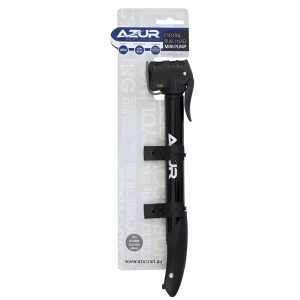
Portable bicycle pump: Compact, light, and designed for roadside emergencies. It fits in a bag, jersey pocket, or mounts to the frame. It will not match the speed of a floor pump, but it gets you home. For a family running multiple bikes, a bicycle air pump that handles both Presta and Schrader valves without adapters is the most practical choice.
Kids bike note: Most kids bikes use Schrader valves, identical to car tyre valves. Confirm valve type before buying any pump for bicycle use.
The Four Specs That Separate the Best Bicycle Pumps from Cheap Ones
1. Gauge Accuracy
A floor pump without a gauge forces guesswork. Tyres inflated above or below the recommended PSI wear faster, grip worse, and risk pinch flats or blowouts — a real safety concern on kids bikes. A gauge reading within 5 PSI is adequate for most riders. Higher-quality gauges read within 1 to 2 PSI.
2. Valve Compatibility
Presta valves are narrow with a threaded locknut, found on road bikes and higher-end kids bikes. Schrader valves are wider, identical to car valves, found on most kids bikes and MTBs. Most quality pumps handle both. Cheaper pumps are Schrader-only or require a separate adapter that is inevitably lost.
3. Chuck Quality
A poor chuck leaks air on connection and disconnection. A quality chuck has a secure lock-on mechanism that seals properly every time without damage to the valve.
Chuck failure is the most common point of failure on budget pumps, especially relevant if kids are using the pump unsupervised.
4. Hose Length
A floor pump with a short rigid hose is awkward at floor level. Look for a flexible hose of at least 60 cm. Portable pumps with a built-in hose, rather than a direct-fit chuck, are easier to use in tight valve positions on kids bikes.
PSI Reference Guide for Kids Bike Tyres
The correct PSI for any tyre is printed on the sidewall. Use this table as a starting point for kids’ bikes. Always defer to the sidewall marking, over-inflation is a blowout risk.
| Wheel size | Typical tyre width | Recommended PSI range |
| 12″ – 16″ (balance & toddler bikes) | 2.0″ – 2.4″ | 20 – 35 PSI |
| 18″ – 20″ (junior bikes) | 1.75″ – 2.2″ | 30 – 50 PSI |
| 24″ – 26″ (older kids / transition) | 1.5″ – 2.1″ | 35 – 65 PSI |
Floor Pump vs Portable Pump vs CO₂ Inflator — A Quick Comparison
| Type | Best for | Speed | PSI accuracy | Portability |
| Floor pump | Daily home inflation | Fast (10–20 strokes) | High | Garage only |
| Portable bicycle pump | Roadside emergency | Slow | Moderate | Bag / frame mount |
| CO₂ inflator | Race-day or fast emergency | Under 30 seconds | Low (single-use) |
CO₂ inflators inflate a tyre in under 30 seconds, faster than any portable pump. They are a single-use emergency tool, not a replacement for either pump type. One cartridge, one tyre, done. Useful for riders who prioritise speed over cost per use.
How to Use a Bicycle Pump Correctly
Follow these steps for any pump for bicycle tyres — Presta or Schrader.
- Remove the valve cap and set it somewhere safe.
- For Presta valves: unscrew the locknut fully anti-clockwise. Press briefly to release trapped air — this unseats the valve.
- Attach the chuck firmly. Flip the lever to lock on a locking chuck. Turn clockwise on a threaded chuck.
- Pump with long, full strokes. Short rapid strokes are less efficient. Watch the gauge as you approach target pressure.
- Stay within the tyre’s PSI range. The minimum and maximum are marked on the tyre sidewall. Over-inflation on kids bikes is a blowout risk.
- Remove the chuck cleanly — release the lever or unscrew counter-clockwise.
- For Presta valves: re-tighten the locknut finger-tight before replacing the cap.
How often should you check tyre pressure?
- Road bikes: before every ride
- Kids bikes in casual use: weekly
- After any tyre repair or tube replacement: immediately
Properly inflated tyres are safer, faster, and significantly more comfortable.
Precaution for Bike Riders in Australia
Helmets are compulsory in Australia for all riders, including all bike riders. This applies in every state and territory. For specific helmet requirements and riding safety advice, Better Health Victoria is an authoritative reference for Australian parents.
Use this checklist before every ride:
- Correctly fitted helmet — snug, level, with a two-finger gap above the eyebrow
- Closed-toe shoes — sandals and bare feet are not safe on a balance bike
- Knee pads and elbow guards for early riders still finding their balance
- Appropriate surface — smooth paths, footpaths, or grass for beginners
See our full bike accessories range for toddler helmets, knee pads, and elbow guards.
Looking For Adventure and Insider Tips?
Here you’ll find tons of ideas and inspiration to make bike riding or skating with your child, even more fun!
Frequently Asked Questions
Remove the valve cap, unscrew a Presta locknut if applicable, and attach the pump chuck securely. Pump with long, full strokes to the target PSI marked on the tyre sidewall. Remove the chuck cleanly, tighten the Presta locknut if applicable, and replace the cap. Check pressure before each ride.
A portable bicycle pump is a compact, lightweight pump for roadside tyre inflation. It fits in a bag, jersey pocket, or mounts to the bike frame. It is not a replacement for a floor pump — it is a backup for flats that happen away from home.
Most quality bicycle pumps fit both Presta and Schrader valves. Presta valves are narrow with a threaded locknut, found on road and higher-end bikes. Schrader valves are wider, identical to car tyre valves, found on most kids bikes and MTBs. Always check valve compatibility before purchasing.
The correct PSI is printed on the tyre sidewall as a minimum and maximum range. Most kids bike tyres inflate to 35–60 PSI depending on tyre width and terrain. Wider tyres run lower pressure. Under-inflated tyres increase rolling resistance and the risk of pinch flats.
Why Choose Our Quality Products For Your Child?
Long Lasting – Safety Certified – Perfect Fit – Fun for All Levels – Trusted by Parents

Frequently Asked Questions of Balance Bikes
What age is appropriate for a balance bike?
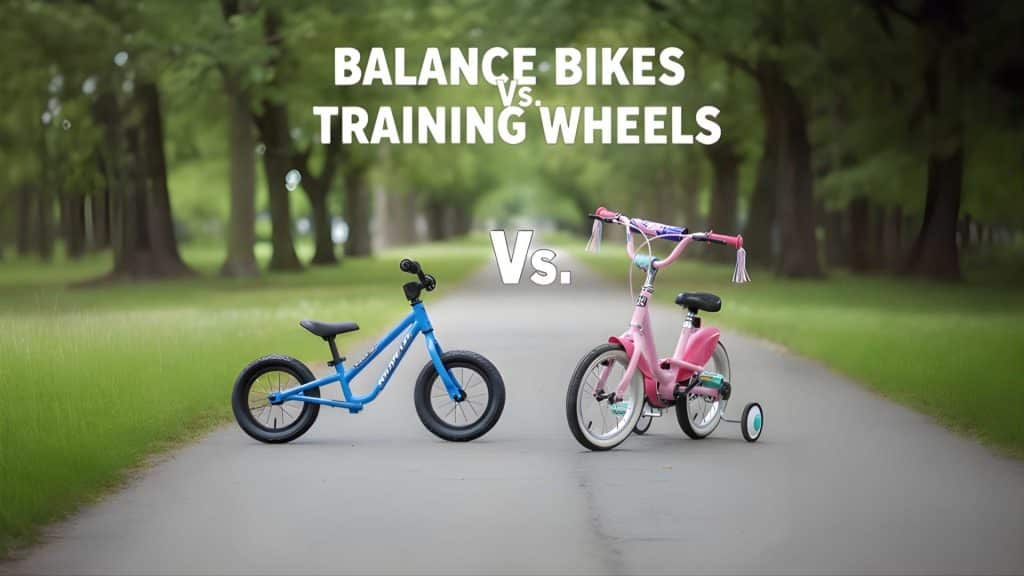
Are balance bikes better than training wheels?
Yes, balance bikes are generally considered more effective than training wheels in teaching children how to balance on a bike, making the transition to a pedal bike smoother and quicker.
How long does it take to learn to ride a balance bike?
What are the benefits of balance bikes?
How do you transition from a balance bike to a pedal bike?
Are balance bikes safe for toddlers?
What features should I look for in a balance bike?
Can balance bikes be used indoors?
While balance bikes are typically designed for outdoor use, they can be used indoors on flat, smooth surfaces with caution to ensure the child’s safety and the protection of indoor surfaces.
How do you teach a child to use a balance bike?
What's the weight limit for balance bikes?
Floor Pump vs Portable Bicycle Pump — Which Do You Need?
Most households need both. A floor pump handles daily home maintenance. A portable bicycle pump handles emergencies on the road. Neither replaces the other.Floor pump (also called a track pump): Sits in the garage and inflates tyres in 10 to 20 strokes. A good floor pump has a large air chamber, an accurate pressure gauge, and a stable base. It is the best bicycle pump for regular home maintenance. Using a portable pump to inflate from flat is slow and tiring, a floor pump makes it effortless.Portable bicycle pump: Compact, light, and designed for roadside emergencies. It fits in a bag, jersey pocket, or mounts to the frame. It will not match the speed of a floor pump, but it gets you home. For a family running multiple bikes, a bicycle air pump that handles both Presta and Schrader valves without adapters is the most practical choice.Kids bike note: Most kids bikes use Schrader valves, identical to car tyre valves. Confirm valve type before buying any pump for bicycle use.The Four Specs That Separate the Best Bicycle Pumps from Cheap Ones
1. Gauge Accuracy
A floor pump without a gauge forces guesswork. Tyres inflated above or below the recommended PSI wear faster, grip worse, and risk pinch flats or blowouts — a real safety concern on kids bikes. A gauge reading within 5 PSI is adequate for most riders. Higher-quality gauges read within 1 to 2 PSI.2. Valve Compatibility
Presta valves are narrow with a threaded locknut, found on road bikes and higher-end kids bikes. Schrader valves are wider, identical to car valves, found on most kids bikes and MTBs. Most quality pumps handle both. Cheaper pumps are Schrader-only or require a separate adapter that is inevitably lost.3. Chuck Quality
A poor chuck leaks air on connection and disconnection. A quality chuck has a secure lock-on mechanism that seals properly every time without damage to the valve. Chuck failure is the most common point of failure on budget pumps, especially relevant if kids are using the pump unsupervised.4. Hose Length
A floor pump with a short rigid hose is awkward at floor level. Look for a flexible hose of at least 60 cm. Portable pumps with a built-in hose, rather than a direct-fit chuck, are easier to use in tight valve positions on kids bikes.PSI Reference Guide for Kids Bike Tyres
The correct PSI for any tyre is printed on the sidewall. Use this table as a starting point for kids’ bikes. Always defer to the sidewall marking, over-inflation is a blowout risk.| Wheel size | Typical tyre width | Recommended PSI range |
| 12″ – 16″ (balance & toddler bikes) | 2.0″ – 2.4″ | 20 – 35 PSI |
| 18″ – 20″ (junior bikes) | 1.75″ – 2.2″ | 30 – 50 PSI |
| 24″ – 26″ (older kids / transition) | 1.5″ – 2.1″ | 35 – 65 PSI |
Floor Pump vs Portable Pump vs CO₂ Inflator — A Quick Comparison
| Type | Best for | Speed | PSI accuracy | Portability |
| Floor pump | Daily home inflation | Fast (10–20 strokes) | High | Garage only |
| Portable bicycle pump | Roadside emergency | Slow | Moderate | Bag / frame mount |
| CO₂ inflator | Race-day or fast emergency | Under 30 seconds | Low (single-use) |
How to Use a Bicycle Pump Correctly
Follow these steps for any pump for bicycle tyres — Presta or Schrader.- Remove the valve cap and set it somewhere safe.
- For Presta valves: unscrew the locknut fully anti-clockwise. Press briefly to release trapped air — this unseats the valve.
- Attach the chuck firmly. Flip the lever to lock on a locking chuck. Turn clockwise on a threaded chuck.
- Pump with long, full strokes. Short rapid strokes are less efficient. Watch the gauge as you approach target pressure.
- Stay within the tyre’s PSI range. The minimum and maximum are marked on the tyre sidewall. Over-inflation on kids bikes is a blowout risk.
- Remove the chuck cleanly — release the lever or unscrew counter-clockwise.
- For Presta valves: re-tighten the locknut finger-tight before replacing the cap.
- Road bikes: before every ride
- Kids bikes in casual use: weekly
- After any tyre repair or tube replacement: immediately
Precaution for Bike Riders in Australia
Helmets are compulsory in Australia for all riders, including all bike riders. This applies in every state and territory. For specific helmet requirements and riding safety advice, Better Health Victoria is an authoritative reference for Australian parents.Use this checklist before every ride:- Correctly fitted helmet — snug, level, with a two-finger gap above the eyebrow
- Closed-toe shoes — sandals and bare feet are not safe on a balance bike
- Knee pads and elbow guards for early riders still finding their balance
- Appropriate surface — smooth paths, footpaths, or grass for beginners