Teaching your child to ride a bike should be one of those magical childhood moments, but many parents unknowingly make their kids’ learning journey harder than it needs to be. If you’re a parent ready to help your little one master two wheels, understanding the biggest mistakes parents make teaching kids bike riding can save you both from frustration and tears.
This guide is for parents of children ages 3-10 who want to teach bike riding effectively while keeping the experience positive and safe. You’ll discover why kids struggle learning to ride bikes and how to avoid the common pitfalls that slow down progress.
We’ll cover the most frequent bike teaching mistakes that parents make, including rushing your child through the learning stages and choosing the wrong bike or safety gear. You’ll also learn how creating pressure or fear around bike riding can backfire, and why the physical support you think is helping might actually make balance harder to develop.
Rushing the Learning Process
Starting without proper balance skills development
Many parents jump straight to bike riding without building the foundational balance skills their children need. This approach often backfires because kids haven’t developed the core stability and spatial awareness required for successful cycling. Balance is the most critical skill for bike riding, yet parents frequently skip this essential step, leading to frustration and fear.
Skipping the scooting phase on balance bikes
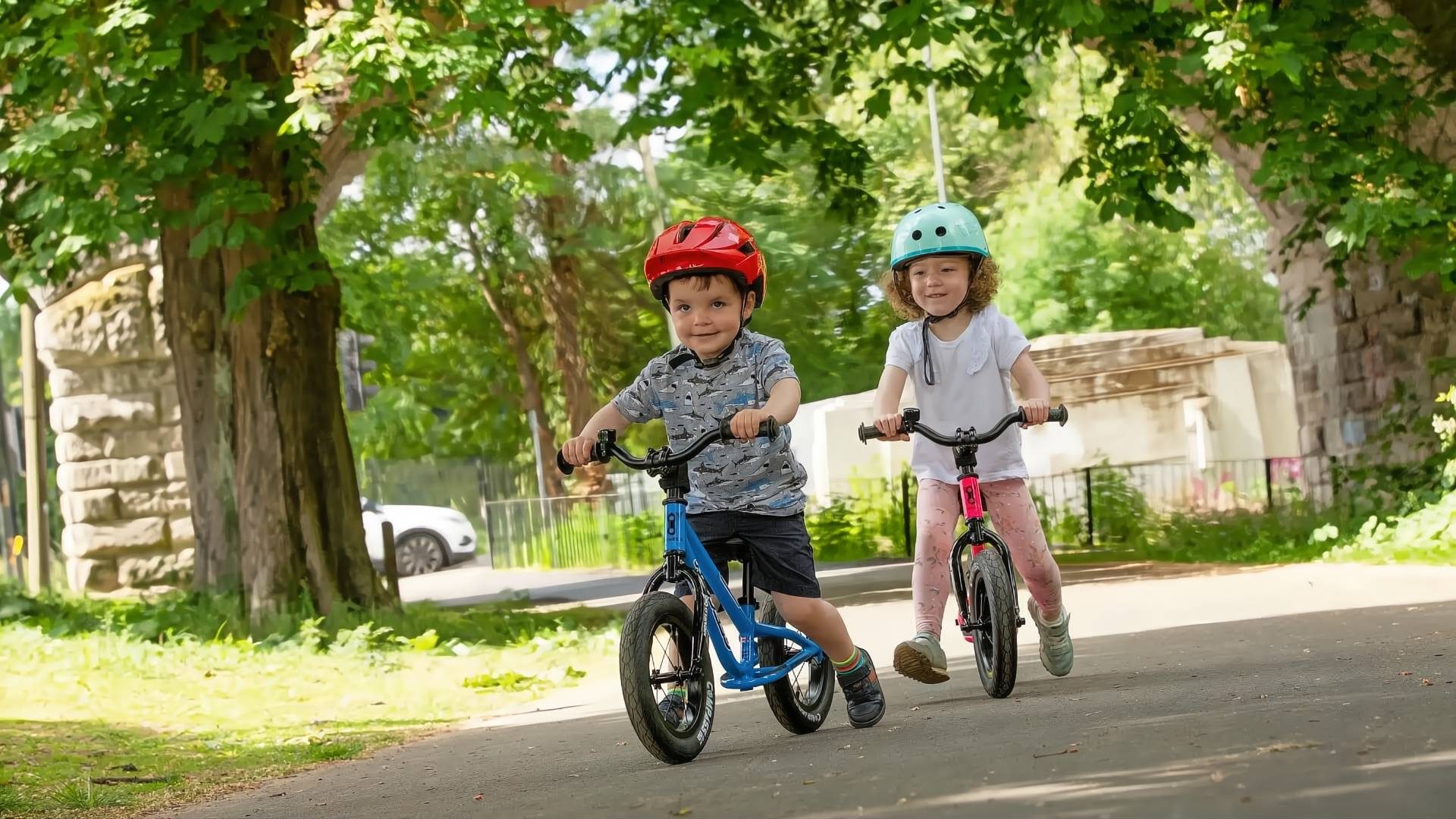
Balance bikes offer the perfect opportunity for children to master steering and balance before introducing pedaling. Parents who rush past this scooting stage miss a crucial learning window. Kids need time to push themselves along with their feet, gaining confidence and understanding how the bike responds to their movements.
Moving to pedals before mastering steering
Adding pedals too early creates overwhelming complexity for young learners. When children haven’t mastered basic steering control, the additional challenge of pedaling becomes one of the biggest mistakes parents make teaching kids bike riding. This combination often results in wobbly, unsafe riding attempts that discourage continued practice.
Setting unrealistic timeline expectations
Parents often expect their children to master bike riding within a few practice sessions, creating unnecessary pressure. Each child develops at their own pace, and pushing too hard can create anxiety around bike learning. Some kids need weeks or months to feel comfortable, and that’s perfectly normal for healthy skill development.
Using Poor Equipment Choices
Selecting bikes that are too large for the child
Many parents believe buying a larger bike gives better value since kids will “grow into it.” This creates one of the biggest mistakes parents make teaching kids bike riding. When children can’t touch the ground with both feet while seated, they lose confidence and control. The fear of falling increases dramatically when kids struggle to stop or balance properly. A correctly sized bike allows children to feel secure, with feet flat on the ground and slight knee bend when pedaling.
Choosing heavy bikes that are difficult to control
Heavy adult-style bikes make learning unnecessarily challenging for young riders. Children lack the strength to manoeuvre bulky frames, leading to frustration and slower progress. Lightweight bikes respond better to small movements, helping kids develop proper balance and steering skills. Parents often overlook weight specifications, focusing only on appearance or price. This mistake creates bike learning obstacles parents create unintentionally, making the entire experience more difficult than necessary.
Ignoring proper helmet fit and safety gear
Ill-fitting children’s helmets provide false security while potentially causing accidents themselves. A loose helmet shifts during rides, blocking vision or falling off completely. Conversely, overly tight helmets cause discomfort and distraction. The helmet should sit level on the head, covering the forehead without tilting. Straps form a “V” under each ear, with only one finger’s width between chin and strap. Additional protective gear like knee and elbow pads boost confidence, especially for nervous beginners who worry about potential falls.
Creating Negative Learning Environments
Practicing in Unsafe or Crowded Locations
Parking lots, busy sidewalks, and areas near traffic create anxiety for young riders. Kids need calm, controlled spaces to focus on balance without worrying about cars or pedestrians. Grass fields or empty basketball courts work best for initial practice sessions.
Teaching During Stressful Times of Day
Rushing lessons before dinner or during homework time sets kids up for failure. Tired, hungry, or distracted children can’t absorb new skills effectively. Weekend mornings or after-school periods when everyone feels relaxed produce much better learning outcomes than cramming sessions into hectic schedules.Providing
Ineffective Physical Support
Holding the bike seat instead of the child’s shoulders
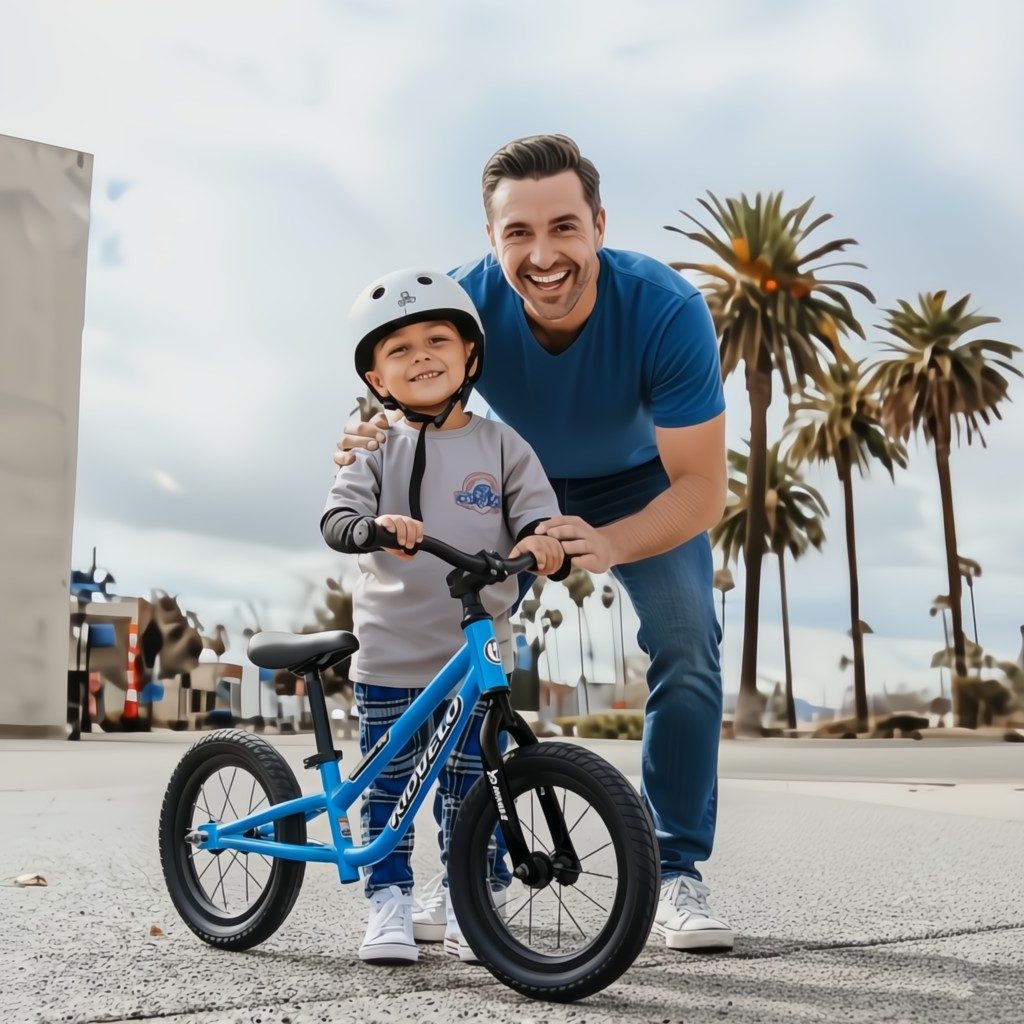
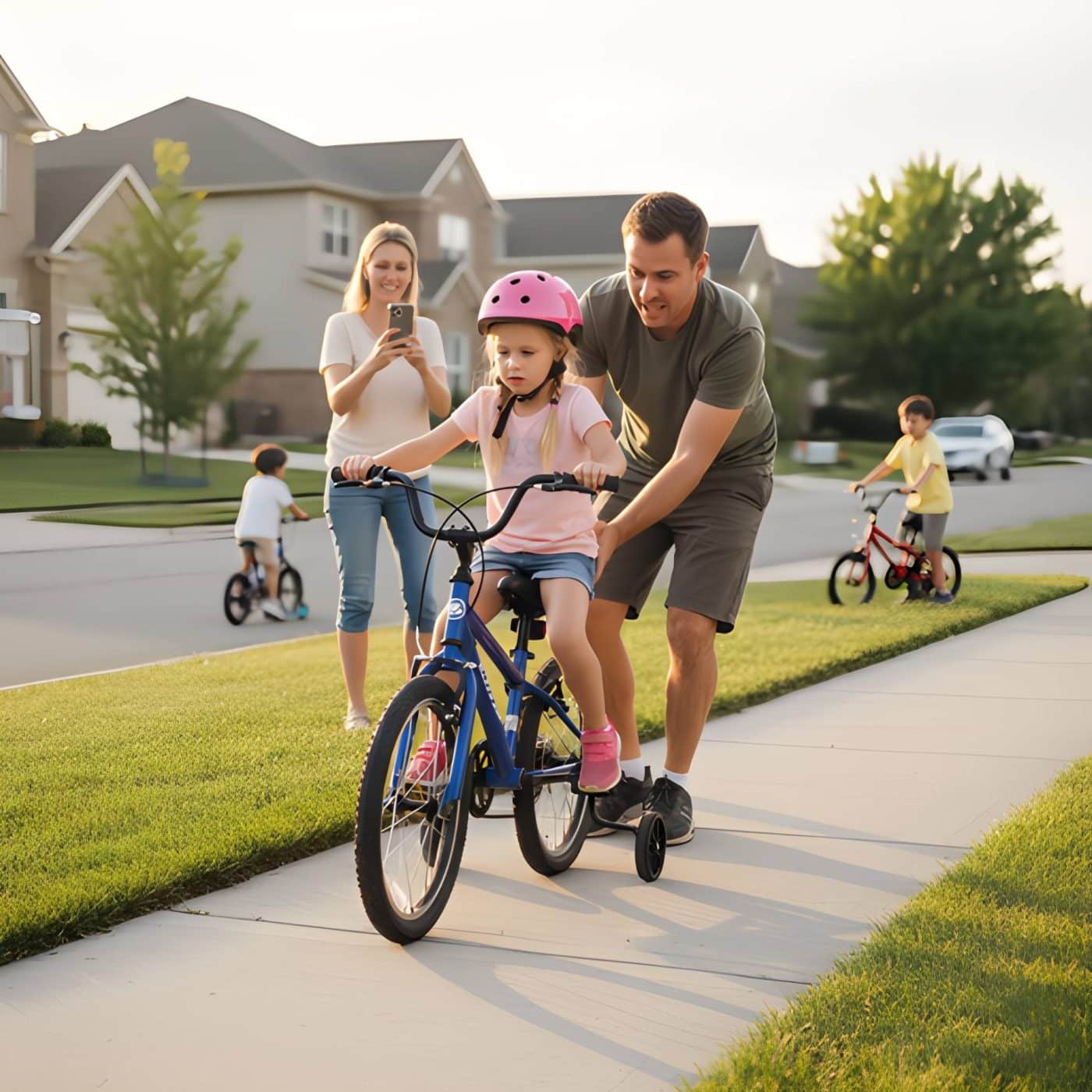
Parents often make the mistake of gripping the bike seat while their child learns to ride, creating a false sense of balance. This approach prevents kids from developing natural balance skills since they can’t feel the bike’s movement. Supporting the child’s back or shoulders allows them to experience the bike’s natural tilt and learn proper weight distribution.
Running alongside while gripping the handlebars
Another common error is grabbing the handlebars while jogging beside the bike. This bike teaching mistake that slows progress actually interferes with steering control and creates dependency. Children need to learn how handlebars respond to their input, not fight against an adult’s grip that disrupts their natural learning process.
Using Counterproductive Teaching Methods
Focusing on Pedaling Before Balance is Established
Teaching pedaling before your child has mastered balance creates one of the biggest mistakes parents make teaching kids bike riding. Children need to develop their balance instincts first, as this forms the foundation for all other cycling skills. When parents rush straight to pedaling, kids become overwhelmed trying to coordinate multiple complex movements simultaneously.
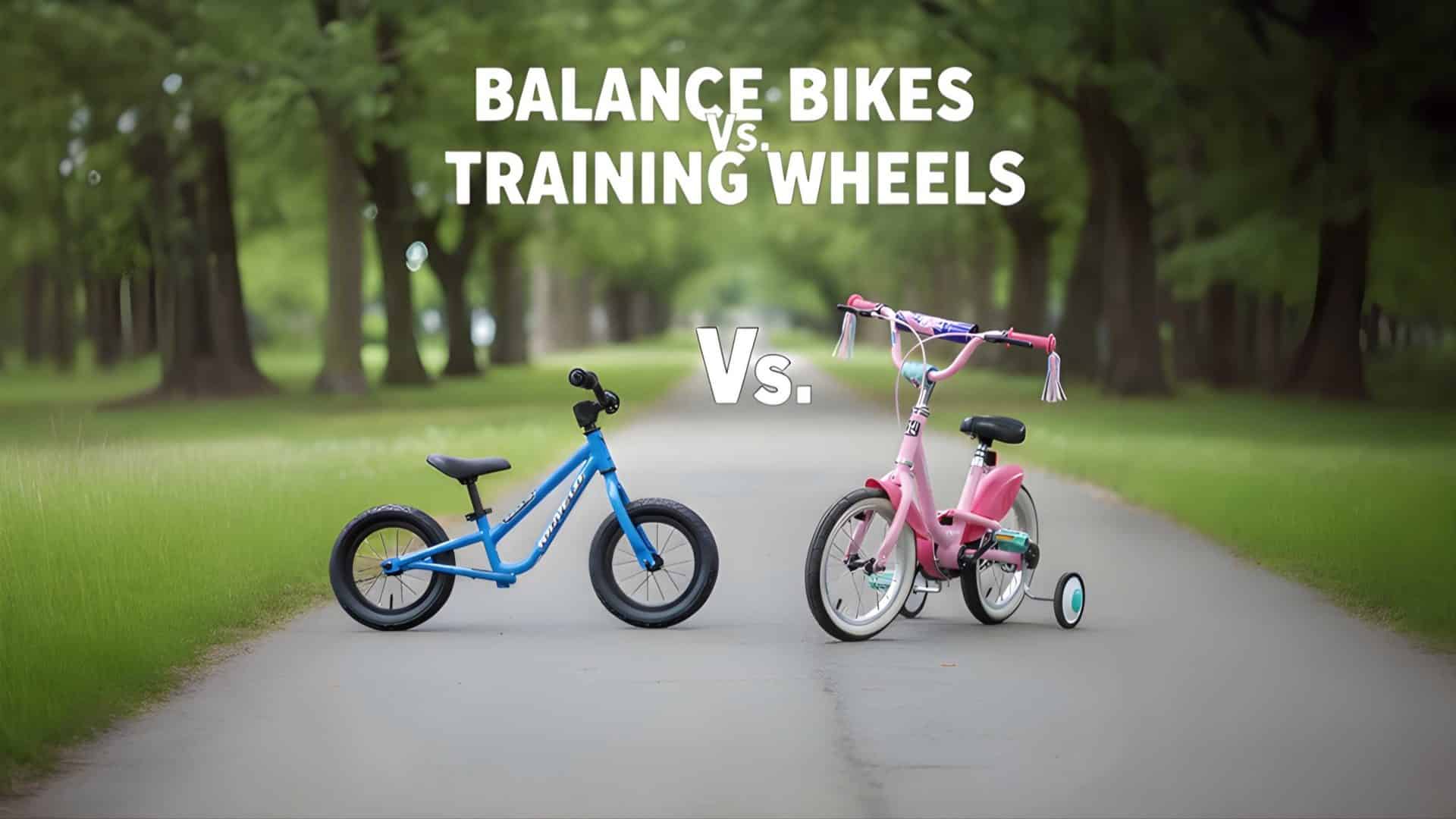
Starting with balance bikes or removing pedals from regular bikes allows children to focus solely on steering and balance. This approach prevents the common bike learning mistakes that cause fear and frustration for both parent and child.
Giving Too Many Verbal Instructions at Once
Information overload ranks among the top parent bike teaching errors that slow progress. Shouting multiple commands like “pedal faster, steer straight, look ahead, don’t lean” overwhelms young minds and creates anxiety. Children can only process one instruction at a time while learning complex motor skills.
Effective bike instruction focuses on single, clear directions. Say “look where you want to go” or “keep pedaling” – never both together. This wrong way to teach kids bike balance creates confusion and makes the learning process unnecessarily difficult.
Comparing Progress to Other Children
Every child develops at their own pace, yet parents often make bike riding instruction mistakes by comparing their child’s progress to siblings or friends. Comments like “your sister learned faster” or “other kids your age can already ride” damage confidence and create unnecessary pressure.
These teaching bike mistakes that slow progress turn fun activities into stressful competitions. Instead of motivating children, comparisons often lead to fear and resistance, making kids struggle learning to ride bikes even more challenging.
Practicing for Extended Periods Without Breaks
Marathon practice sessions represent common bike teaching fails parents make regularly. Young children have limited attention spans and tire quickly when learning physically demanding skills. Pushing beyond their natural limits leads to frustration, decreased coordination, and potential safety issues.
Short, frequent practice sessions prove far more effective than lengthy ones. Twenty-minute sessions with breaks prevent fatigue and maintain enthusiasm, avoiding the bike learning obstacles parents create through overexertion.
Emphasizing Speed Over Control and Safety
Racing ahead before mastering basic control creates dangerous habits and represents serious parent instruction common fails. Children who learn speed before proper braking, steering, and stopping techniques often develop reckless riding behaviors that persist long-term.
Prioritizing control and safety builds confident, skilled riders. Teaching proper stopping techniques, gradual turning, and obstacle awareness creates a solid foundation that prevents accidents and builds genuine cycling competence rather than just the ability to stay upright while moving fast.
Our Final Thoughts
Teaching kids to ride bikes can feel overwhelming, but avoiding these common pitfalls makes the process much smoother for everyone. When parents rush the timeline, use inappropriate equipment, create stressful environments, offer unhelpful physical support, or rely on outdated teaching methods, they actually make learning harder for their children. The good news is that recognizing these mistakes puts you ahead of the game.
Take your time, invest in the right gear, keep things positive and encouraging, and let your child build confidence at their own pace. Remember that every kid learns differently, and what worked for you as a child might not be the best approach today. Focus on making the experience fun and safe, and before you know it, you’ll be watching your little one pedal away with the biggest smile on their face.
![Best Kids Bikes in Australia [Top 12 List 2025]](https://kidsbikesonline.com.au/wp-content/uploads/2025/09/Best-Kids-Bikes-in-Australia-Top-12-List-2025-e1780399011614.jpg)