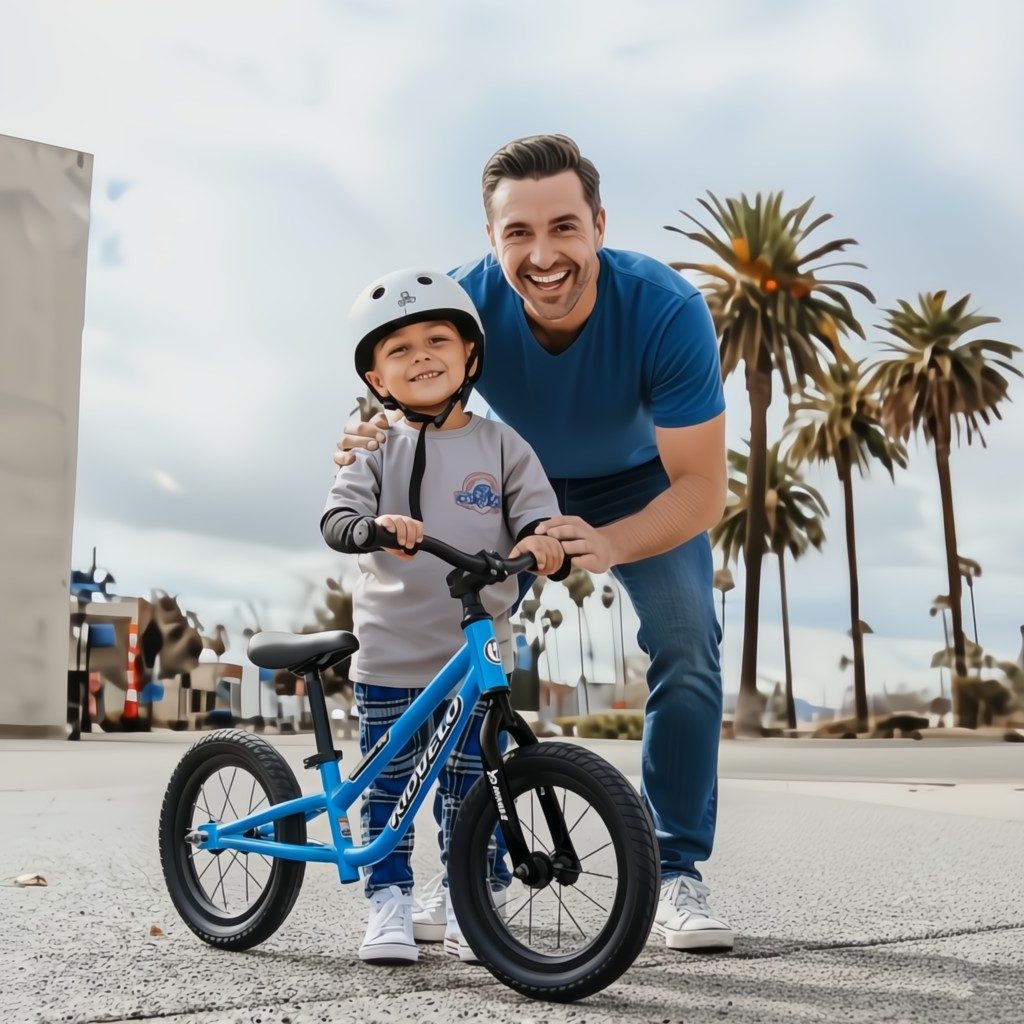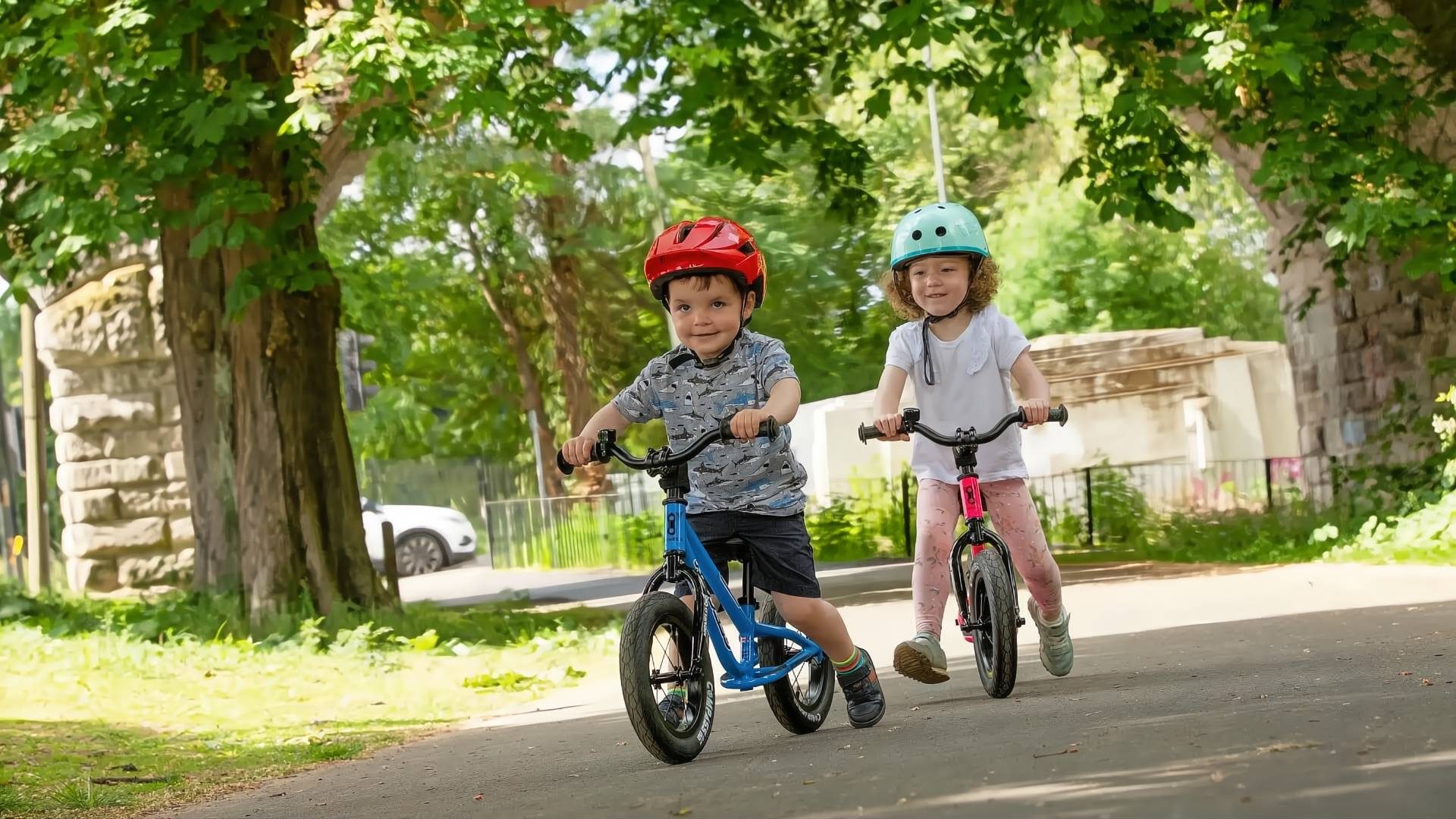
Starting to teach kids to ride bike? It starts with balance, not pedals. Skip training wheels, start on a balance bike, and most kids learn to ride confidently within a few sessions. This guide covers every step, from choosing the right bike size to handling fear, so you can teach your child to ride safely and quickly.
Watching a child ride a bike for the first time is a moment of pure pride and joy. For many parents and grandparents, this milestone is just as exciting as a first step or first word. But teaching a child to ride can also feel intimidating, what if they fall, get scared, or refuse to try? Don’t worry. This guide will walk you through the safest, easiest way to teach a child to ride, starting with a balance bike.
At Kids Bikes Online, we’ve helped thousands of families experience the magic of first rides without the frustration of training wheels. Follow this step-by-step approach to get your child riding confidently.
What Age Should a Child Start Learning to Ride a Bike?
Most children can start learning to ride a bike from 18 months old on a balance bike. Here’s a simple age-by-age readiness guide:
18 months – 2 years: Start on a small balance bike (10–12 inch). Focus on walking the bike and getting comfortable sitting in the saddle.
3 – 4 years: Most kids can begin gliding and steering. Fine motor skills and leg strength improve rapidly at this stage.
5 – 6 years: Ideal age for transitioning to pedals. Most kids can learn to ride a pedal bike within a few sessions at this age.
7+ years: If your child hasn’t ridden before, use a balance bike for 1–2 weeks before moving to pedals. Progress is fast at this age.
According to the Raising Children Network and Better Health Channel (Australia), a child’s readiness depends on coordination and balance — not just age. Watch for signs like steady walking, basic jumping ability, and the confidence to try new physical challenges.
Important for Australian families:
- Helmets are compulsory by law in all states and territories. Your child must wear an Australian Standards approved helmet (AS/NZS 2063) every time they ride — even in the backyard. Second-hand helmets are not recommended as internal damage can be invisible.
- Under 10s should ride off-road — away from vehicles and driveways, such as on dedicated bike paths.
- Under 13s should be supervised on footpaths and bike paths and are not recommended to cycle on the road without a competent adult present.
- Bike Ed programs are available through many Australian primary schools for children in Years 4–6, covering road safety and cycling skills. Ask your child’s school if they offer it.
Why Balance Bikes Are the Best Way to Learn
Forget training wheels — balance bikes have changed the way kids learn to ride a bike. And it is considered as one of Parents favorite children’s training bike. By teaching balance first, they eliminate the wobbly transition period when training wheels come off. Here’s why parents love them:
- Build confidence early: Kids learn to balance at their own pace.
- Safer than training wheels: No sudden falls when the wheels come off.
- Lightweight and easy to handle: Perfect for toddlers and young riders.
- Smooth transition to pedals: Once they can glide, pedalling is easy.
Read our Balance Bike Guide to choose the right model for your child.
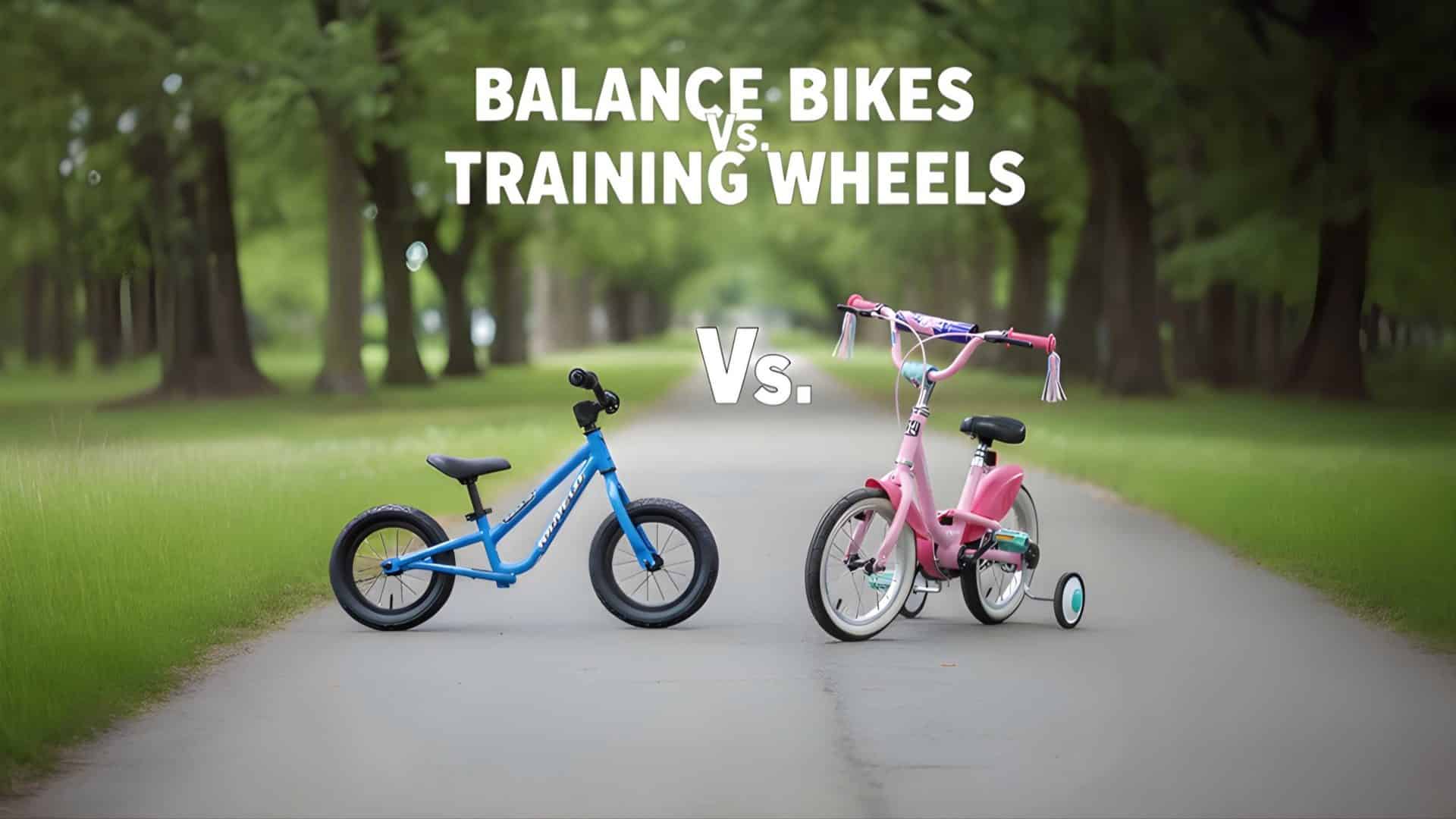
Balance Bikes vs Training Wheels — Which Is Better?
| Balance Bike | Training Wheels | |
|---|---|---|
| Teaches balance | Yes — from day one | No — delays balance learning |
| Transition to pedals | Fast and natural | Difficult — balance must be relearned |
| Age range | 18 months – 5 years | 3 – 6 years |
| Risk of falling | Low — feet stay near ground | Higher when wheels are removed |
| Confidence building | Strong | Can create dependency |
| Steering habits | Correct from the start | Incorrect steering learned — must be unlearned |
| Research success rate | 100% independent cycling achieved | 76.92% independent cycling achieved |
| Independent cycling age | ~2 years earlier on average | Later — balance learned from scratch |
| Best for | All beginners | Children with specific coordination or motor challenges |
The verdict: Balance bikes produce faster, more confident riders in nearly every case and are supported by peer-reviewed research. However, for children with specific motor development needs, coordination challenges, or disabilities, an adaptive tricycle may be more appropriate than training wheels. Talk to your paediatrician or occupational therapist if you are unsure.
Steps to Teach Kids to Ride Bike
Step 1: Choose the Right Bike Size
The right size makes all the difference. Your child should be able to sit on the saddle with both feet flat on the ground and knees slightly bent.
- 12-inch bikes – Best for 18 months to 4 years.
- 14-inch bikes – Perfect for 3 to 6 years.
- 16+ inch bikes – For older kids ready for bigger rides.
Use our Kids Bike Size Guide to measure your child’s inseam and choose the perfect fit.
Step 2: Pick the Right Place to Ride
A safe environment helps kids relax and focus on learning.
- Choose a flat, smooth area like a quiet driveway, schoolyard, or park path.
- Avoid busy streets, steep hills, or rough terrain.
- Make sure your child is wearing a properly fitted helmet and closed-toe shoes.
Step 3: Teach Balance First
Here’s the secret to quick success: focus on balance before pedalling.
- Start by walking the bike: Encourage your child to push along with their feet while sitting on the saddle.
- Move to gliding: Once comfortable, challenge them to lift their feet and coast for a few seconds.
- Extend the glide: Cheer them on as they glide for longer distances.
Balance may take a few sessions — be patient and keep it fun. Celebrate every milestone!
Step 4: Practice Steering
Once gliding feels natural, introduce gentle steering.
- Teach your child to look where they want to go, not at the front wheel.
- Use fun games like “follow the leader” or set up cones to practice turning.
Step 5: Introduce Braking
Stopping safely is an essential skill.
- Begin with foot braking — dragging feet to stop.
- Progress to using the hand brake (if the bike has one).
- Practice slow stops before moving on to faster riding.
Kidvelo Rookie models offer optional rear brakes so kids can learn stopping skills early.
Step 6: Progress to Pedals
When your child can glide 10–20 meters, it’s time to add pedals.
- If you own a convertible bike like the Rookie 14, attach the pedal kit.
- Teach them to push off, glide, then start pedalling.
- Encourage short practice sessions until they can ride smoothly.
Shop Convertible Balance Bikes to turn one bike into two.
Overcoming Common Challenges
Even with the right approach, some kids face hurdles:
- Fear of falling: Go slow and praise small wins.
- Short attention spans: Keep sessions short — 10 to 15 minutes.
- Reluctance: Turn learning into a game to keep it exciting.
Safety Checklist for Parents
Before every ride, check:
- Helmet fit is snug and level.
- Tyre pressure is correct.
- Brakes work (if equipped).
- No loose clothing or shoelaces.
- Knee pads, elbow pads, and wrist guards are fitted correctly.
- Saddle height allows both feet flat on the ground.
See kids safety gear and bike accessories
Make Riding Fun
Learning doesn’t have to feel like a lesson. Here are ways to keep it playful:
- Set up mini obstacle courses.
- Ride together as a family once they’re confident.
- Celebrate progress with rewards like a sticker chart.
- Use chalk to draw a “road” or “track” on the driveway, kids love having a course to follow.
- Set small goals: “Can you glide to that tree?” Small wins build big confidence.
How to Handle Fear, Anxiety, and Refusal
Fear of falling is the number one reason children resist learning to ride. Here’s how to handle it effectively:
If your child refuses to try:
- Don’t force it. Pressure creates lasting resistance. Set the bike out and let them explore it on their own terms first.
- Try a “no riding” session, just walk alongside the bike together. Familiarity reduces fear.
- Let them watch other kids ride. Peer modelling is one of the most powerful motivators for young children.
If your child falls and gets scared:
- Stay calm. Your reaction matters more than the fall. A matter-of-fact “that happens, you’re okay” normalises it.
- Acknowledge the feeling. Say “I know that was scary” before encouraging them to try again.
- Keep the next attempt low-risk. Move back to a simpler step — walking the bike rather than gliding — to rebuild confidence.
If your child loses motivation mid-session: Stop the session. Ten to fifteen minutes is enough for young children. Fatigue kills progress.
- End on a win. Always finish on something they can do successfully, even if it’s just sitting on the bike.
- Try a different environment. A new park or smooth path can re-ignite interest.
Conclusion – The Joy of First Rides
Teaching a child to ride is a memory you’ll treasure forever. With a balance bike and a little patience, your child can learn to ride quickly and confidently — no training wheels needed.
Ready to start? Shop Kidvelo Rookie Balance Bikes and make your child’s first bike-riding experience easy, safe, and fun.
![Best Kids Bikes in Australia [Top 12 List 2025]](https://kidsbikesonline.com.au/wp-content/uploads/2025/09/Best-Kids-Bikes-in-Australia-Top-12-List-2025-e1780399011614.jpg)