Most children are ready to move from a balance bike to pedal bike between ages 3 and 6. The clearest sign: your child glides with both feet off the ground for 3 or more seconds. When that happens consistently, they are ready. This guide covers every readiness sign, sizing step, and transition tip parents need.
Moving from a balance bike to a pedal bike marks an exciting milestone for young riders and their families. This guide helps parents identify when their child is ready for this next step and how to make the balance bike to regular bike transition as smooth as possible.
If you’re watching your little one confidently scooting around on their balance bike, you might be wondering when they’re ready for pedals. Getting the timing right makes all the difference between a successful transition and a frustrating experience that knocks their confidence.
We’ll explore the key balance bike graduation signs that show your child is ready to move up, plus practical advice on choosing the best pedal bike after balance bike based on their age, size, and skill level. You’ll also discover proven strategies to teach pedalling technique and make this exciting step feel natural and fun for your budding cyclist.
Already know your child is ready? Browse our full range of kids bikes to find the right first pedal bike.
Recognising Key Physical and Mental Readiness Signs
1 – Master Balance and Steering Control on Balance Bike
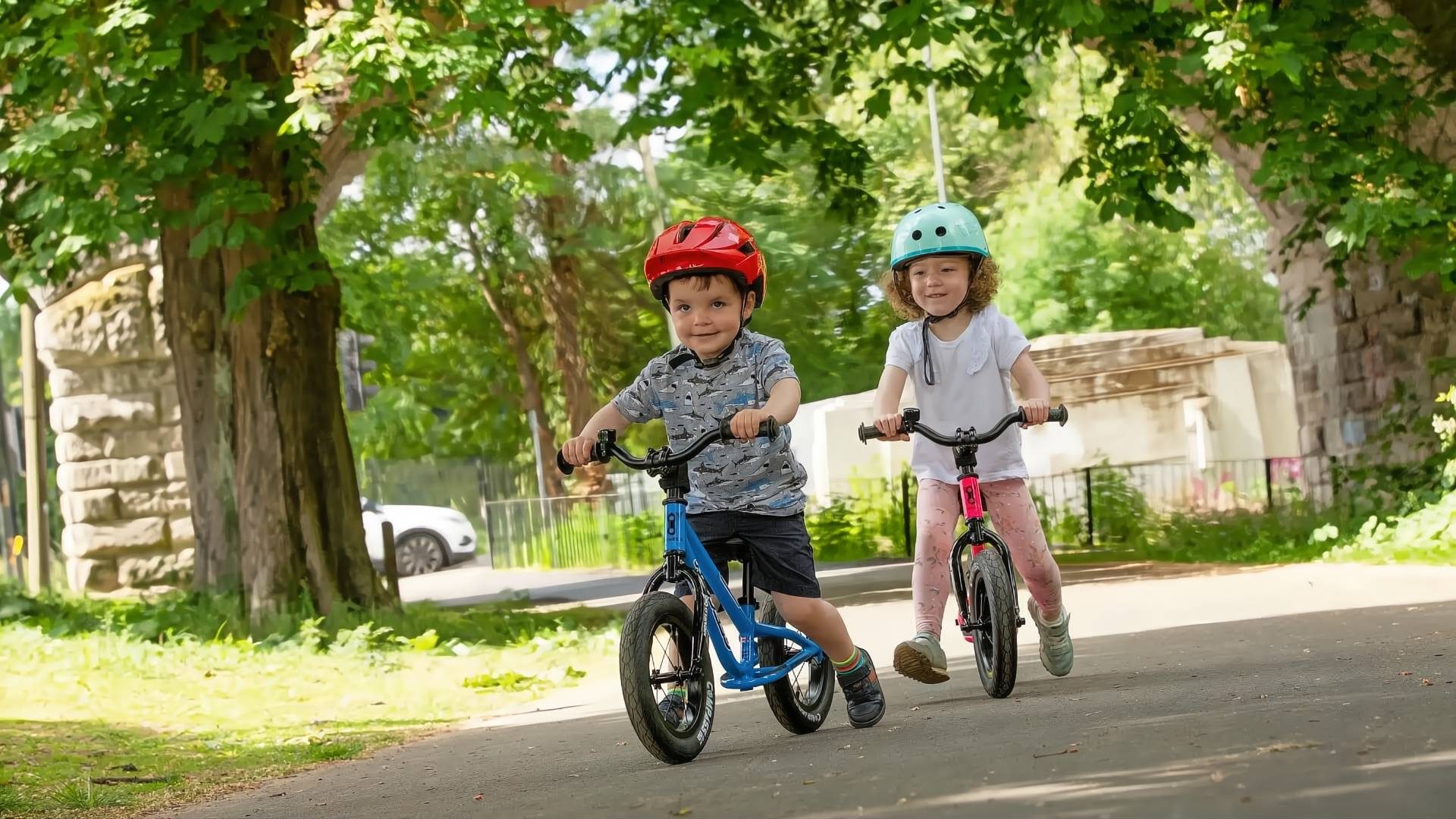
Your child should confidently navigate turns, weave around obstacles, and maintain steady control whilst gliding. Watch for smooth steering adjustments and the ability to correct their path without wobbling or putting feet down immediately. True mastery means they can ride in straight lines and execute gentle curves with ease.
2 – Demonstrate Confidence Pushing Off and Gliding for Extended Distances
Look for powerful push-offs that propel your child forward for at least 10-15 metres without touching the ground. They should lift both feet simultaneously and coast comfortably, showing no fear or hesitation. This extended gliding demonstrates the balance foundation essential for successful pedal bike transition.
3 – Show Ability to Stop Safely Using Feet
Safe stopping involves controlled foot placement rather than dragging or stumbling. Your child should bring both feet down smoothly, maintaining balance throughout the stopping process. They’ll instinctively slow down before sharp turns or obstacles, showing spatial awareness and risk assessment skills that transfer directly to pedal bike riding.
4 – Express Genuine Interest in Pedal Bikes
Children ready for transition often ask questions about pedal bikes, show excitement watching other children ride them, or request to try one. This natural curiosity indicates mental readiness beyond just physical capability. Their enthusiasm becomes a powerful motivator during the learning process, making the balance bike to regular bike transition much smoother and more enjoyable for everyone involved.
Balance Bike Readiness Checklist
Use this checklist before making the switch. Tick all boxes before moving to a pedal bike.
- ☐ Glides with both feet up for 3+ seconds consistently
- ☐ Steers around obstacles without putting feet down
- ☐ Stops in a controlled way before hazards
- ☐ Pushes off and coasts for at least 10–15 metres
- ☐ Shows genuine interest in pedal bikes
- ☐ Can walk up stairs and jump with both feet (leg strength check)
- ☐ Sits on a pedal bike and can touch the ground with tiptoes
Age and Size Considerations for Smooth Transition
1 – Optimal age range of 3-6 years for most children
Most children are ready to transition from a balance bike to a pedal bike between ages 3 and 6, with the sweet spot typically falling around 4-5 years old. This balance bike age progression depends on individual development rather than strict timelines. Some confident riders may be ready at 3, whilst others might need until 6 to feel comfortable making the switch.
What Age for Pedal Bikes for 3 Year Olds?
Three-year-olds who already glide confidently on a balance bike can absolutely move to a pedal bike. The key is bike fit, not age. A 14-inch pedal bike with the seat set to its lowest position suits most 3-year-olds with an inseam of 38–43 cm. Their feet should reach the ground with tiptoes while seated. If they cannot do that, give it another month on the balance bike first.
2 – Proper bike sizing based on inseam measurement
Pedal bike sizing after balance bike success requires measuring your child’s inseam rather than relying solely on age recommendations. Your child should be able to touch the ground with both feet whilst seated, maintaining confidence from their balance bike experience. Most children transitioning need bikes with 14-16 inch wheels, though inseam measurements between 16-20 inches determine the perfect fit for safe, comfortable riding.
| Child’s Inseam | Recommended Wheel Size | Typical Age |
|---|---|---|
| 35–42 cm | 14 inch | 3–4 years |
| 42–50 cm | 16 inch | 4–5 years |
| 50–57 cm | 18 inch | 5–6 years |
| 57–63 cm | 20 inch | 6–8 years |
3 – Child’s leg strength development for effective pedaling
Strong leg muscles developed through balance bike scooting naturally prepare children for pedaling motions. Watch for signs your child can push off confidently and maintain momentum on their balance bike – these balance bike graduation signs indicate sufficient strength for pedal bike success. Children who can walk up stairs independently and jump with both feet typically possess the leg strength needed for effective pedaling without training wheels.
Essential Skills Your Child Should Master First
1 – Reliable balance while coasting at speed
Your child should confidently coast downhill or on flat ground whilst maintaining perfect balance without wobbling or needing to put their feet down. Watch for smooth, controlled gliding where they can lift both feet for extended periods whilst steering naturally. This balance bike graduation sign indicates they’ve developed the core stability essential for successful pedal bike transition.
2 – Coordinated steering and weight shifting
Proper steering coordination involves your child leaning into turns whilst simultaneously moving the handlebars, creating fluid directional changes without losing momentum. They should demonstrate confident cornering around obstacles, showing they understand how body weight affects bike direction. This skill directly translates to pedal bike control, making the transition from strider to pedal bike much smoother.
3 – Quick reflexes for obstacle avoidance
Sharp reaction times for dodging pedestrians, pets, or playground equipment show your child has developed crucial safety awareness. They should demonstrate controlled braking using their feet whilst maintaining balance, plus the ability to quickly redirect their path when needed. These balance bike success indicators prove they’re ready for the added complexity of pedalling.
4 – Understanding of basic road safety rules
Before transitioning from balance bike to regular bike, children must grasp fundamental safety concepts like stopping at kerbs, looking both ways, and understanding simple traffic signals. They should follow basic instructions about where it’s safe to ride and recognise potential hazards. This mental readiness is just as important as physical skills when determining readiness for their first pedal bike.
Balance Bike With Pedals — Is a Convertible Bike the Right Choice?
Some children do not need to switch bikes at all. A balance bike with pedals — also called a convertible or 2-in-1 bike — starts as a pure balance bike and converts to a full pedal bike by attaching a crank, pedals, and chain.
This approach has real advantages for parents who want to get maximum value from one purchase and avoid buying two separate bikes.
How a Balance Bike With Pedals Works
The bike ships without pedals. Your child rides it as a standard balance bike first. When they show the readiness signs above, you fit the pedal kit. The geometry, seat height, and weight are already familiar. Many children pedal independently on the first day of conversion.
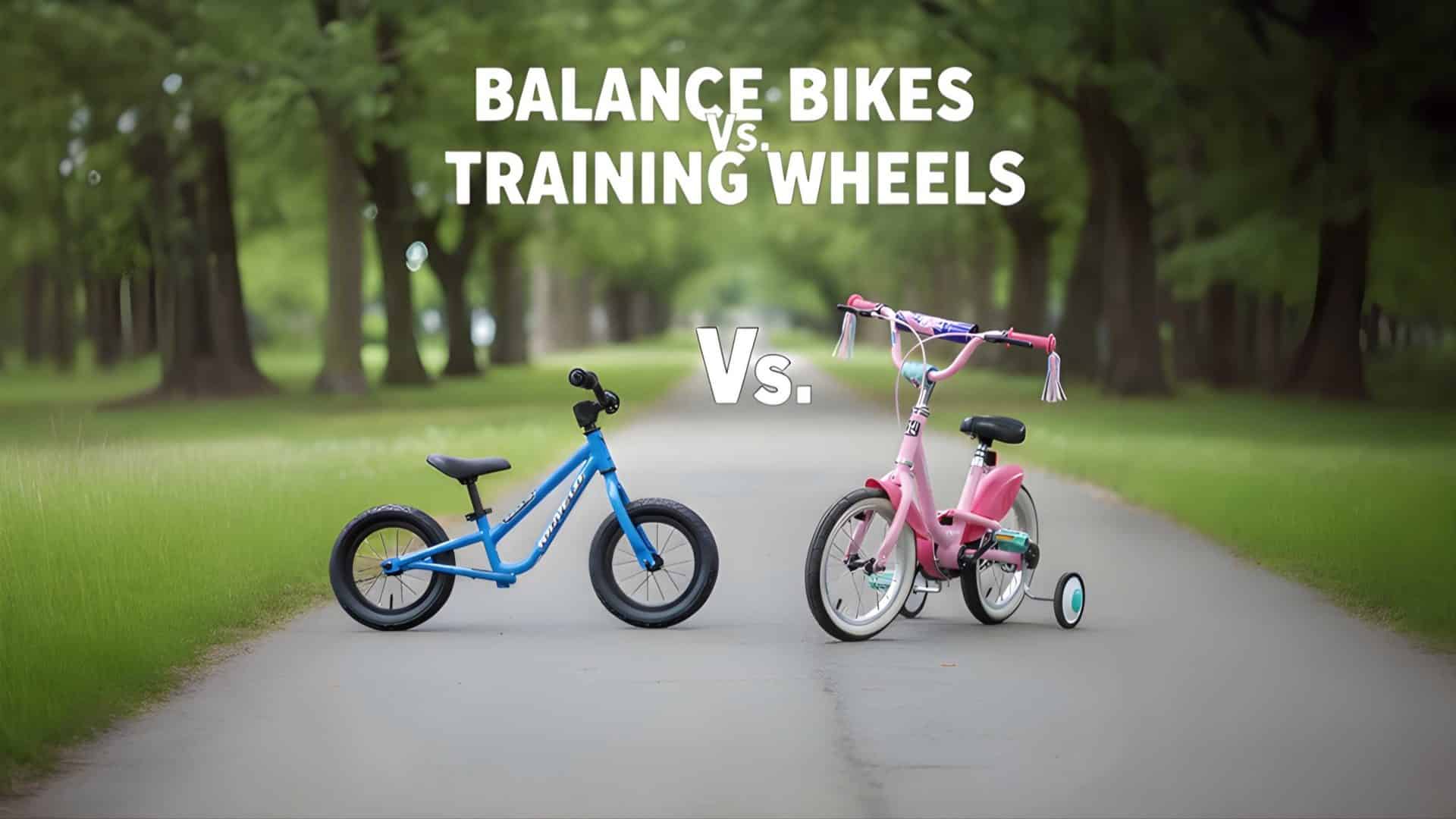
Balance Bike With Pedals vs Separate Bikes — Quick Comparison
| Convertible (Balance + Pedal) | Separate Balance Bike + Pedal Bike | |
| Upfront cost | Higher single purchase | Lower initial cost, two purchases total |
| Familiarity at transition | High — same bike | Lower — new bike required |
| Transition speed | Typically faster | Varies |
| Longevity | One bike covers both stages | Two bikes, each stage-specific |
| Best for | Parents wanting simplicity | Parents who already own a balance bike |
Our Kidvelo Rookie convertible range is built specifically for this transition. It starts as a balance bike and converts to a pedal bike without any specialist tools. Available in 14, 18, and 24 inch wheel sizes to grow with your child.
Choosing the Right First Pedal Bike Features
1 – ![]() Lightweight Frame for Easier Handling
Lightweight Frame for Easier Handling
A lightweight aluminium or steel frame makes all the difference when your child graduates from a balance bike to their first pedal bike. Heavy bikes create unnecessary struggle and can quickly dampen enthusiasm for cycling. Look for bikes weighing under 20% of your child’s body weight – this ratio ensures they can manoeuvre, lift, and control the bike confidently whilst learning to coordinate pedalling with steering.
2 – Single-Speed Drivetrain to Reduce Complexity
Keep things simple with a single-speed drivetrain for your child’s first pedal bike after balance bike transition. Multiple gears add confusion when children are already mastering the coordination between pedalling, steering, and braking. A single gear allows them to focus entirely on developing smooth pedalling technique without worrying about gear changes.
| Feature | Benefit |
|---|---|
| Single-speed | Eliminates gear confusion |
| Chain guard | Prevents clothing catches |
| Sealed bearings | Reduces maintenance |
3 – Hand Brakes Versus Coaster Brake Considerations
Hand brakes offer better stopping control and mirror adult bikes, making future transitions smoother. However, children under five often lack the hand strength for effective hand braking. Coaster brakes work well initially but can interfere with balance bike graduates who’ve learnt to pedal backwards for positioning. Many first pedal bike recommendations suggest dual braking systems – coaster rear brake with a front hand brake for gradual skill development.
4 – Appropriate Wheel Size for Child’s Height
Proper wheel sizing ensures comfort and confidence during the balance bike to two wheeler transition. Children transitioning from 12-inch balance bikes typically need 14-16 inch wheels, whilst those from 14-inch balance bikes suit 16-18 inch wheels. Your child should touch the ground with tiptoes when seated – this maintains the balance skills they’ve developed whilst allowing confident stopping and starting.
Ready to find the right size? Browse our full kids bikes range — sorted by wheel size and age.
Making the Transition Process Seamless and Stress-Free
1 – Remove Pedals Initially to Maintain Familiar Feel
Start the balance bike to regular bike transition by temporarily removing the pedals from your child’s new pedal bike. This simple step creates a familiar riding experience that builds confidence whilst they adjust to their bigger bike. Your child can continue using their proven balance bike technique on the new frame, making the transition feel less overwhelming and more natural.
2 – Gradually Reintroduce Pedalling in Safe Environments
Once your child feels comfortable with their new bike, begin teaching pedalling technique in quiet, flat areas like empty car parks or gentle pathways. Choose safe environments away from traffic where they can practice without distractions. Start with short sessions, allowing them to master the coordination between balancing and pedalling before tackling more challenging terrain or longer rides.
3 – Provide Encouragement Without Applying Pressure
Celebrate small victories during the balance bike to two wheeler transition whilst avoiding pushy behaviour that creates anxiety. Every child progresses at their own pace, so focus on making each practice session enjoyable rather than achieving specific milestones. Offer gentle guidance and plenty of praise, remembering that maintaining their love of cycling is more important than rushing the learning process.
What If Your Child Refuses or Regresses?
Some children resist the transition — even confident balance bike riders. This is normal and rarely lasts long.
Try these approaches:
- Go back to pedals-removed mode for another week. No pressure.
- Let them watch other children their age riding pedal bikes. Peer motivation is powerful.
- Change the environment. A new path or park can reset a negative association.
- Check the bike fit. A seat that is too high creates fear fast. Lower it so both feet sit flat on the ground.
- Keep sessions short — 10 minutes maximum. Stop before frustration sets in, not after.
Most children who regress are reacting to pressure or a poor bike fit, not a lack of readiness. Fix the fit first.
Helmet and Safety Gear for the Transition
A helmet is non-negotiable at every stage — balance bike and pedal bike. In the USA, the American Academy of Pediatrics recommends that all children wear a properly fitted bicycle helmet every time they ride, regardless of distance or location.
For the transition period specifically, additional protective gear reduces fear of falling and makes practice sessions feel safer.
Recommended gear for the transition stage:
- Properly fitted helmet — certified with AZ/NZS 2063.
- Knee pads — protect the most common fall contact point
- Elbow guards — especially useful in the first 1–2 weeks on pedals
- Closed-toe shoes — no sandals or bare feet
A child who feels protected is a child who tries harder and recovers faster from minor tumbles. The gear pays for itself in confidence alone.
Your child’s journey from balance bike to pedal bike is all about spotting the right moment when they’re truly ready for the next adventure. The signs are usually clear: they’re confidently gliding with both feet up, steering smoothly around obstacles, and showing genuine excitement about trying something new. Physical readiness matters too – they should be able to touch the ground comfortably whilst seated and have developed the coordination to handle multiple tasks at once.
Remember, there’s no rushing this milestone. Some children make the leap at three years old, whilst others need until they’re five or six – and that’s perfectly normal. Focus on choosing a lightweight bike with proper brakes and an adjustable seat, then let them set the pace during practice sessions. Keep things fun, stay patient, and celebrate the small victories along the way. Before you know it, your little one will be pedalling off into the sunset with the biggest smile on their face.
Whether you need a dedicated first pedal bike or a convertible balance bike with pedals that handles both stages, browse our full kids bikes and balance bikes ranges to find the right fit for your child.
![Best Kids Bikes in Australia [Top 12 List 2025]](https://kidsbikesonline.com.au/wp-content/uploads/2025/09/Best-Kids-Bikes-in-Australia-Top-12-List-2025-e1780399011614.jpg)