14 inch Bike Ages (3-6yrs)
A 14 inch bike is the right size for Australian children aged 3 to 6 years. Every children’s 14 inch bike in this collection fits a child standing 95 cm to 115 cm tall. These are lighter, simpler, and better-proportioned than the oversized bikes most children struggle with.
Australian-owned and operated · Secure checkout · Fast dispatch · Easy returns ·
Trusted and Loved by Hundreds of Happy Parents and Grandparents!
14 inch Bike Ages (3-6yrs), Balance Bikes, Kids Bikes
This product has multiple variants. The options may be chosen on the product page$479.95Original price was: $479.95.$469.95Current price is: $469.95.
Showing the single result
Why the 14 inch wheel size matters
Wheel size controls stability, steering weight, and how quickly your child builds confidence. A 14 inch kids bike sits noticeably taller than a 12 inch. That extra height helps children with a longer stride find their natural pedalling rhythm.
The bigger wheel also rolls more smoothly over footpath cracks, gravel paths, and grass. A smaller wheel at the same speed hits the same bump harder.
Frame weight is the most overlooked factor. A children’s 14 inch bike should weigh no more than 6.5 kg for this age group. Heavier bikes are harder to steer, slower to stop, and genuinely discouraging for small riders. The best 14 inch bikes use aluminium frames, not steel.
Gearing at this size is single-speed. That is appropriate. A 3 to 6 year old needs simplicity — not a gear system that adds confusion and maintenance. Hand brakes are appropriate for most children over 4. Sealed bearings in the wheels resist corrosion in wet weather and require less maintenance than open bearings.
What age is a 14 inch bike for?
A 14 inch bike suits children aged 3 to 6 years. The most reliable measurement is inseam length, not age.
H3: Use this sizing table, not your child’s birthday
| Inseam Length | Recommended Seat Height | Approximate Age | Wheel Size |
| 35–40 cm | 37–42 cm | 3–4 years | 14 inch |
| 40–45 cm | 42–47 cm | 4–5 years | 14 inch |
| 45–50 cm | 47–52 cm | 5–6 years | 14–16 inch |
| 50 cm+ | 52 cm+ | 6+ years | 16–20 inch |
How to measure inseam: Stand your child against a wall in shoes. Hold a book flat between their legs at crotch height. Measure from the floor to the top of the book. That is their inseam.
Some tall 3 year olds fit a 14 inch bike already, especially after outgrowing a 12 inch. Some smaller 5 year olds are still perfectly comfortable at 14 inches. Let your child’s body decide — not the birthday.
A 14 inch balance bike is also an option
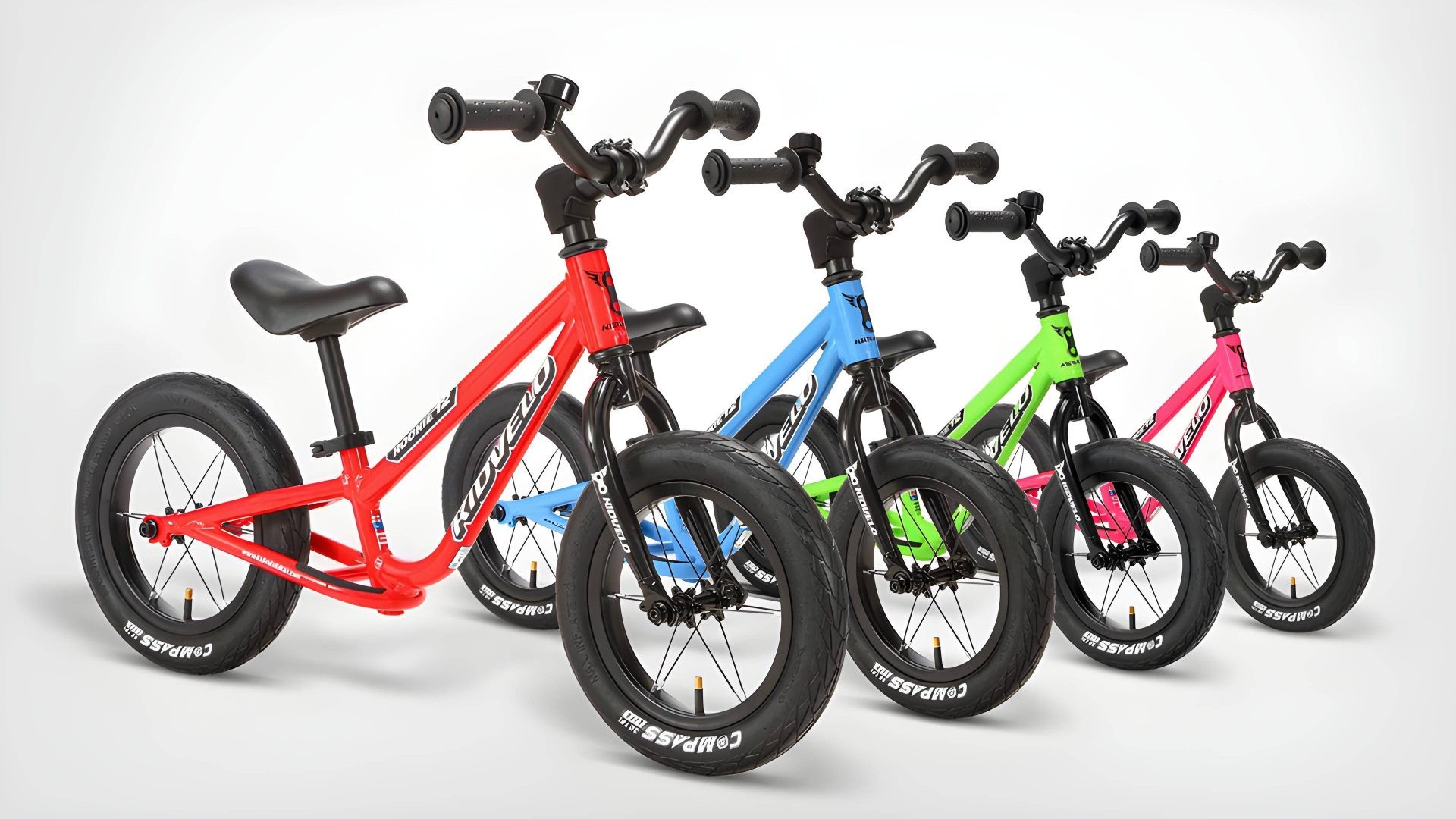
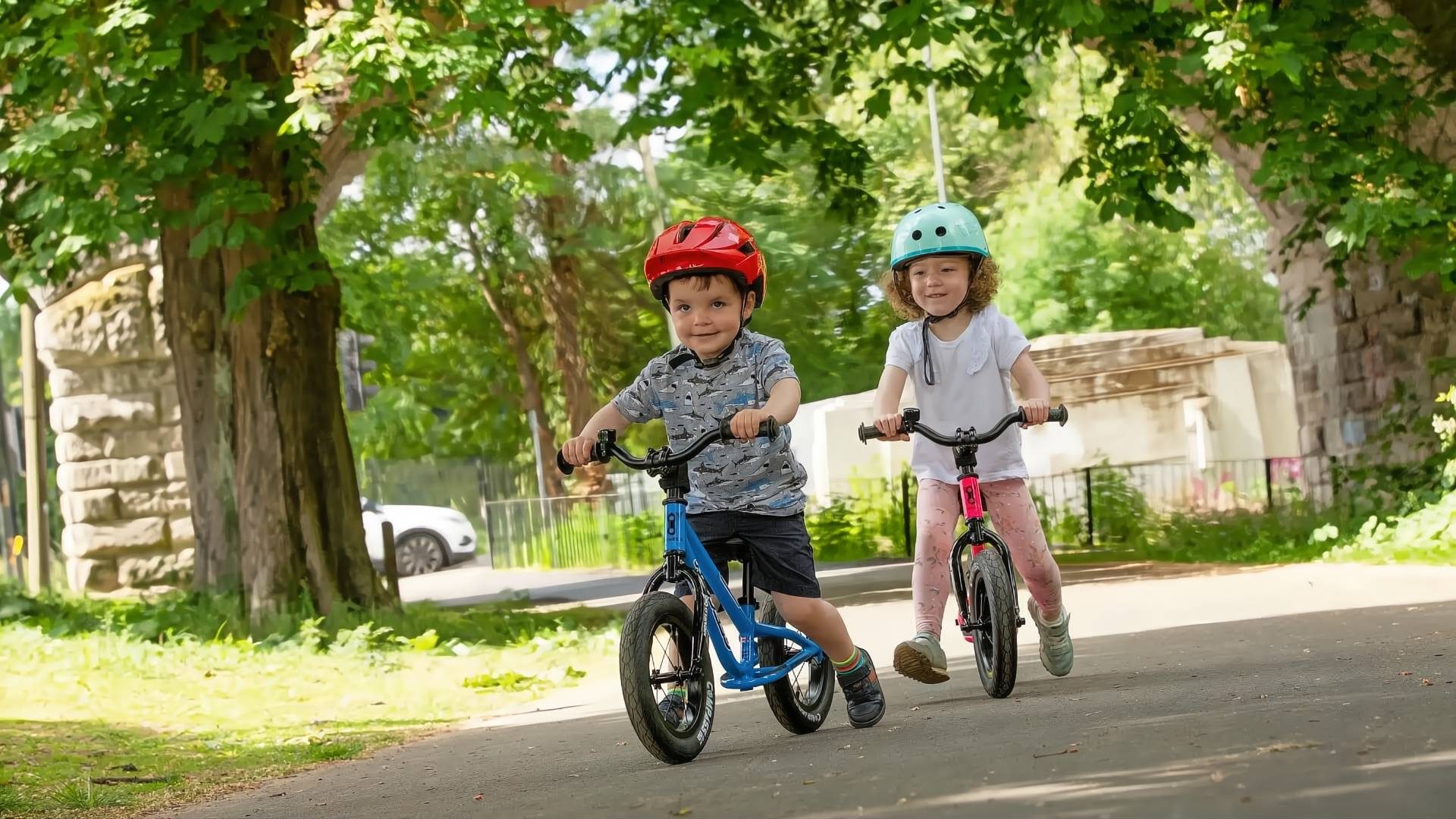
A 14 inch balance bike suits children aged 3 to 4 years who are not yet ready to pedal. It is larger than the standard 12 inch balance bike. This is the right choice for children who missed the 12 inch balance bike window and are now 3 to 4 years old.
How to move from a balance bike to a 14 inch pedal bike
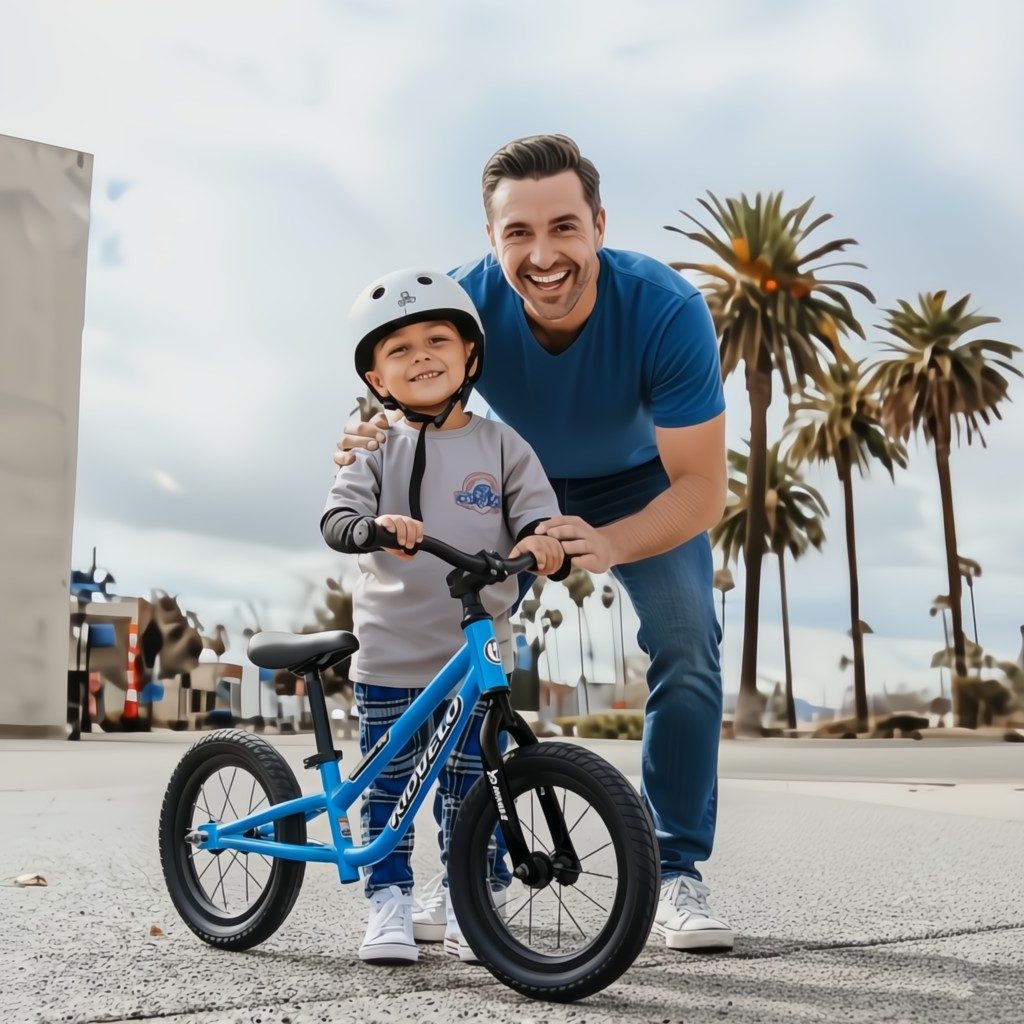
Most children who have ridden a balance bike skip training wheels entirely. They already know how to balance, they just need to learn to pedal.
H3: Signs your child is ready to make the switch
- They glide on a balance bike with both feet off the ground for 3 seconds or more
- They can steer confidently around obstacles
- Their inseam is 35 cm or longer
- They show interest in pedalling
How the transition works
Start on a flat, smooth surface. Lower the seat slightly so both feet touch flat. Let them scoot and glide first before pedalling. Most children are riding independently within one to three sessions.
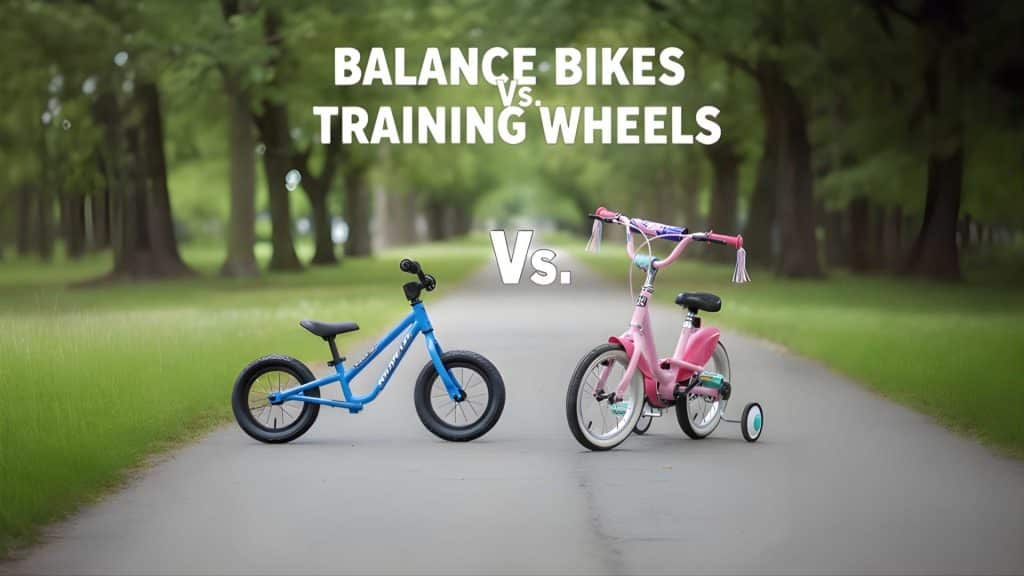
Do not use training wheels if your child can already balance. Training wheels teach the wrong muscle memory. They delay the real skill.
Buying a 14 inch bike in Australia, what to look for?
Australians ride year-round across diverse surfaces. Your child’s 14 inch childs bike needs to handle hot summers, wet winters, grass, gravel, and footpaths.
Frame material
Choose aluminium. It is lighter, stronger, and does not rust. Steel frames are cheaper to manufacture and significantly heavier — often 8 to 9 kg for a bike that should weigh 5 to 6 kg.
Tyres
Choose tyres with a tread pattern. Slick road tyres are unsuitable — children ride on grass, driveways, and gravel, not just sealed paths. A moderate tread grips all of these surfaces.
Bearings
Sealed bearings in the wheel hubs resist water and grit. Open bearings corrode faster in wet conditions and need more maintenance. Sealed bearings are standard on quality aluminium-framed 14 inch bikes.
Brakes
Hand brakes develop proper braking technique from an early age. A front and rear hand brake setup is appropriate for children aged 4 and over. Some models include a rear coaster brake as a backup — acceptable, but hand brakes should still be present.
Saddle
A narrow, firm saddle supports active pedalling. Overly padded saddles encourage slouching. Check the saddle height adjustment range before buying — you want room to grow over two or three years.
What Australian consumer law covers
Under Australian Consumer Law, every product must be of acceptable quality and safe for its intended use. If a bike fails within a reasonable period, you are entitled to a repair, replacement, or refund. Check the retailer’s individual warranty terms for coverage beyond your statutory rights.
Every childrens bikes 14 inch in this collection meets the mandatory Australian bicycle safety standard.
How to maintain a 14 inch bike
A 14 inch bike for a 3 to 6 year old needs minimal maintenance. Ten minutes every few weeks keeps it safe and running smoothly.
H3: Monthly maintenance checklist
- Tyre pressure: Check with a floor pump. 30–50 PSI is typical for this wheel size. Under-inflated tyres roll slowly and increase puncture risk.
- Brake pads: Check for wear. Pads should sit flush against the rim with at least 3 mm of material remaining.
- Chain: Wipe with a dry cloth after riding on wet surfaces. Apply a small amount of chain lubricant every few months.
- Bolts: Check the handlebar stem, seat clamp, and wheel axle bolts. Tighten if any feel loose.
- Headset: Recheck the test described above. Tighten if there is any play.
A well-maintained kids bike 14 inch lasts through multiple children. Basic care at this stage builds good habits for the child too.
Safe riding habits for 3 to 6 year olds in Australia
Every new bike needs a correctly fitted helmet. This is a legal requirement across all Australian states and territories for children on bikes.
The team at the Raising Children Network provides clear, research-backed guidance on safe riding habits for this age group.
Key habits to establish from the first ride:
- Always wear a helmet, fastened correctly
- Stop and check before crossing driveways or paths
- Ride on footpaths and off-road paths at this age, not roads
- Make eye contact with drivers in car parks before crossing
- Start on flat surfaces before riding on slopes
Pair any 14 inch bike with a correctly fitted helmet, handlebar pads, and a bell. Browse our full bike accessories range for options suited to 3 to 6 year olds.
Are 14 inch bikes safe for Australian kids?
Yes. Every bike stocked at Kids Bikes Online meets the mandatory bicycle safety standard set by the Australian Competition and Consumer Commission (ACCC). This covers braking performance, frame strength, and reflector requirements for all children’s bicycles sold in Australia.
Always pair a first bike with a correctly fitted, approved helmet. The Better Health Channel provides evidence-based guidance on helmet fit and child cycling safety for Australian parents.
Browse our full range of bike accessories including helmets, pads, and bells sized for the youngest riders.
Looking For Adventure and Insider Tips?
Here you’ll find tons of ideas and inspiration to make bike riding or skating with your child, even more fun!
Frequently Asked Questions
A 14 inch bike has a wheel diameter of 14 inches, roughly 36 cm across. The overall bike is larger than a 12 inch but still compact. Most weigh between 5 and 7 kg. They suit children aged 3 to 6 years standing 95 cm to 115 cm tall.
A 14 inch bike suits children aged 3 to 6 years. The most reliable guide is inseam length. An inseam of 35–50 cm fits a 14 inch bike well when the seat is set at the correct height.
The age range is 3 to 6 years regardless of location. In Australia, children at this age ride on footpaths, driveways, grass, and local parks. A 14 inch bike with tread tyres and a light aluminium frame handles all of those surfaces
A 14 inch balance bike suits children aged 3 to 4 years who have not yet started pedalling. It is larger than the standard 12 inch balance bike, giving older or taller toddlers more room to develop balance before moving to a pedal bike.
When your child's knee rises above the handlebar during pedalling, or the seat is at full extension and still feels cramped, it is time to size up. The next step is typically a 16 inch or 20 inch bike.
Why Choose Our Quality Products For Your Child?
Long Lasting – Safety Certified – Perfect Fit – Fun for All Levels – Trusted by Parents

Frequently Asked Questions of Balance Bikes
What age is appropriate for a balance bike?
Are balance bikes better than training wheels?
Yes, balance bikes are generally considered more effective than training wheels in teaching children how to balance on a bike, making the transition to a pedal bike smoother and quicker.
How long does it take to learn to ride a balance bike?
What are the benefits of balance bikes?
How do you transition from a balance bike to a pedal bike?
Are balance bikes safe for toddlers?
What features should I look for in a balance bike?
Can balance bikes be used indoors?
While balance bikes are typically designed for outdoor use, they can be used indoors on flat, smooth surfaces with caution to ensure the child’s safety and the protection of indoor surfaces.
How do you teach a child to use a balance bike?
What's the weight limit for balance bikes?
Why the 14 inch wheel size matters
Wheel size controls stability, steering weight, and how quickly your child builds confidence. A 14 inch kids bike sits noticeably taller than a 12 inch. That extra height helps children with a longer stride find their natural pedalling rhythm.The bigger wheel also rolls more smoothly over footpath cracks, gravel paths, and grass. A smaller wheel at the same speed hits the same bump harder.Frame weight is the most overlooked factor. A children’s 14 inch bike should weigh no more than 6.5 kg for this age group. Heavier bikes are harder to steer, slower to stop, and genuinely discouraging for small riders. The best 14 inch bikes use aluminium frames, not steel.Gearing at this size is single-speed. That is appropriate. A 3 to 6 year old needs simplicity — not a gear system that adds confusion and maintenance. Hand brakes are appropriate for most children over 4. Sealed bearings in the wheels resist corrosion in wet weather and require less maintenance than open bearings.What age is a 14 inch bike for?
A 14 inch bike suits children aged 3 to 6 years. The most reliable measurement is inseam length, not age.H3: Use this sizing table, not your child’s birthday
| Inseam Length | Recommended Seat Height | Approximate Age | Wheel Size |
| 35–40 cm | 37–42 cm | 3–4 years | 14 inch |
| 40–45 cm | 42–47 cm | 4–5 years | 14 inch |
| 45–50 cm | 47–52 cm | 5–6 years | 14–16 inch |
| 50 cm+ | 52 cm+ | 6+ years | 16–20 inch |
A 14 inch balance bike is also an option
A 14 inch balance bike suits children aged 3 to 4 years who are not yet ready to pedal. It is larger than the standard 12 inch balance bike. This is the right choice for children who missed the 12 inch balance bike window and are now 3 to 4 years old.How to move from a balance bike to a 14 inch pedal bike
Most children who have ridden a balance bike skip training wheels entirely. They already know how to balance, they just need to learn to pedal.H3: Signs your child is ready to make the switch
- They glide on a balance bike with both feet off the ground for 3 seconds or more
- They can steer confidently around obstacles
- Their inseam is 35 cm or longer
- They show interest in pedalling
How the transition works
Start on a flat, smooth surface. Lower the seat slightly so both feet touch flat. Let them scoot and glide first before pedalling. Most children are riding independently within one to three sessions.Do not use training wheels if your child can already balance. Training wheels teach the wrong muscle memory. They delay the real skill.Buying a 14 inch bike in Australia, what to look for?
Australians ride year-round across diverse surfaces. Your child’s 14 inch childs bike needs to handle hot summers, wet winters, grass, gravel, and footpaths.Frame material
Tyres
Bearings
Brakes
Saddle
What Australian consumer law covers
Under Australian Consumer Law, every product must be of acceptable quality and safe for its intended use. If a bike fails within a reasonable period, you are entitled to a repair, replacement, or refund. Check the retailer’s individual warranty terms for coverage beyond your statutory rights.Every childrens bikes 14 inch in this collection meets the mandatory Australian bicycle safety standard.How to maintain a 14 inch bike
A 14 inch bike for a 3 to 6 year old needs minimal maintenance. Ten minutes every few weeks keeps it safe and running smoothly.H3: Monthly maintenance checklist
- Tyre pressure: Check with a floor pump. 30–50 PSI is typical for this wheel size. Under-inflated tyres roll slowly and increase puncture risk.
- Brake pads: Check for wear. Pads should sit flush against the rim with at least 3 mm of material remaining.
- Chain: Wipe with a dry cloth after riding on wet surfaces. Apply a small amount of chain lubricant every few months.
- Bolts: Check the handlebar stem, seat clamp, and wheel axle bolts. Tighten if any feel loose.
- Headset: Recheck the test described above. Tighten if there is any play.
Safe riding habits for 3 to 6 year olds in Australia
Every new bike needs a correctly fitted helmet. This is a legal requirement across all Australian states and territories for children on bikes.The team at the Raising Children Network provides clear, research-backed guidance on safe riding habits for this age group.Key habits to establish from the first ride:- Always wear a helmet, fastened correctly
- Stop and check before crossing driveways or paths
- Ride on footpaths and off-road paths at this age, not roads
- Make eye contact with drivers in car parks before crossing
- Start on flat surfaces before riding on slopes